

-
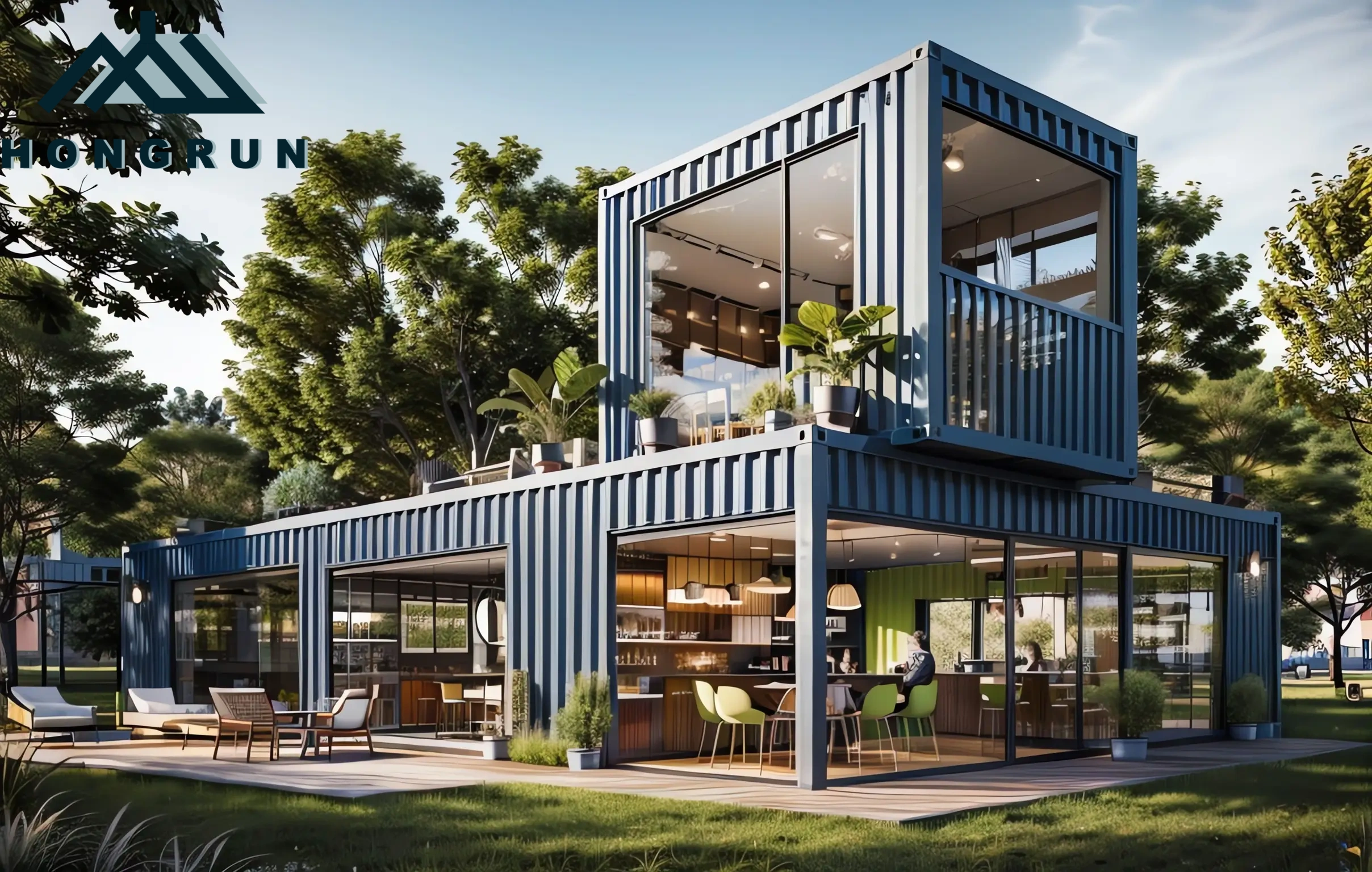
The Multi-dimensional Impact of the Development of Container Houses on the World
The development of container architecture has had profound and complex impacts around the world. Economic Impact Creating a New Industrial Chain: A complete industrial chain has been formed, encompassing container procurement, renovation and design, modular production, interior decoration, transportation and installation, creating new business opportunities and jobs. Lowering the Barriers to Entrepreneurship and Business: Small entrepreneurs can launch commercial projects (such as cafes, retail stores, and homestays) at low cost, stimulating grassroots economic vitality. Impacting the Traditional Construction Industry: As a disruptive innovation, it has prompted the traditional construction industry to consider more efficient and environmentally friendly construction methods, driving…
-
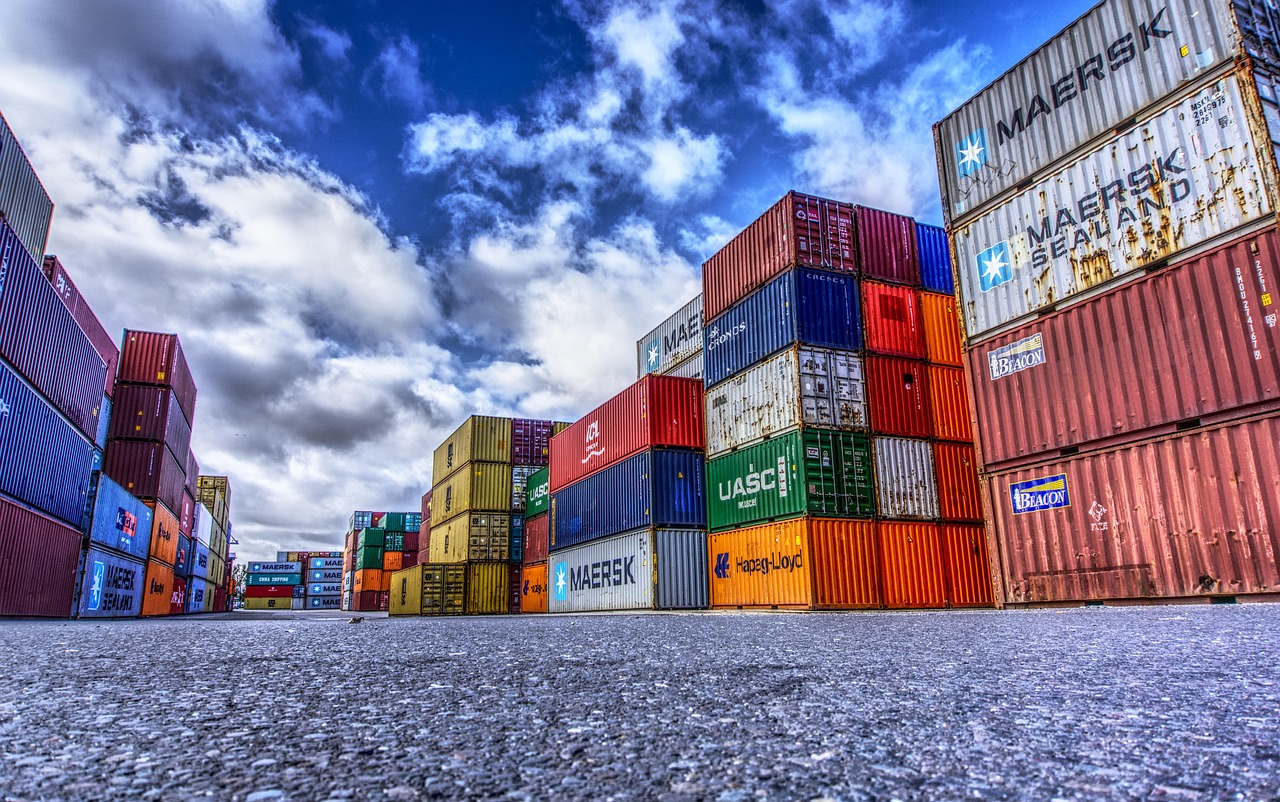
The Development Background and Core Driving Factors of the Rise of Container Houses
The rise of container homes is no accident; it’s driven by a combination of factors: Affordability and Accessibility: Cost Advantage: Compared to traditional brick-concrete structures, using retired shipping containers as the primary building material significantly reduces construction costs (approximately 20%-50%), particularly for the structure and foundation. Modularity and Rapid Construction: Containers are standard modular units that facilitate factory prefabrication, significantly reducing on-site construction time and enabling rapid response to urgent housing needs or commercial project deadlines. Design Flexibility and Aesthetic Innovation: Structural Strength: The sturdy steel structure of containers allows for stacking, cutting, and combining, providing architects with unique creative…
-
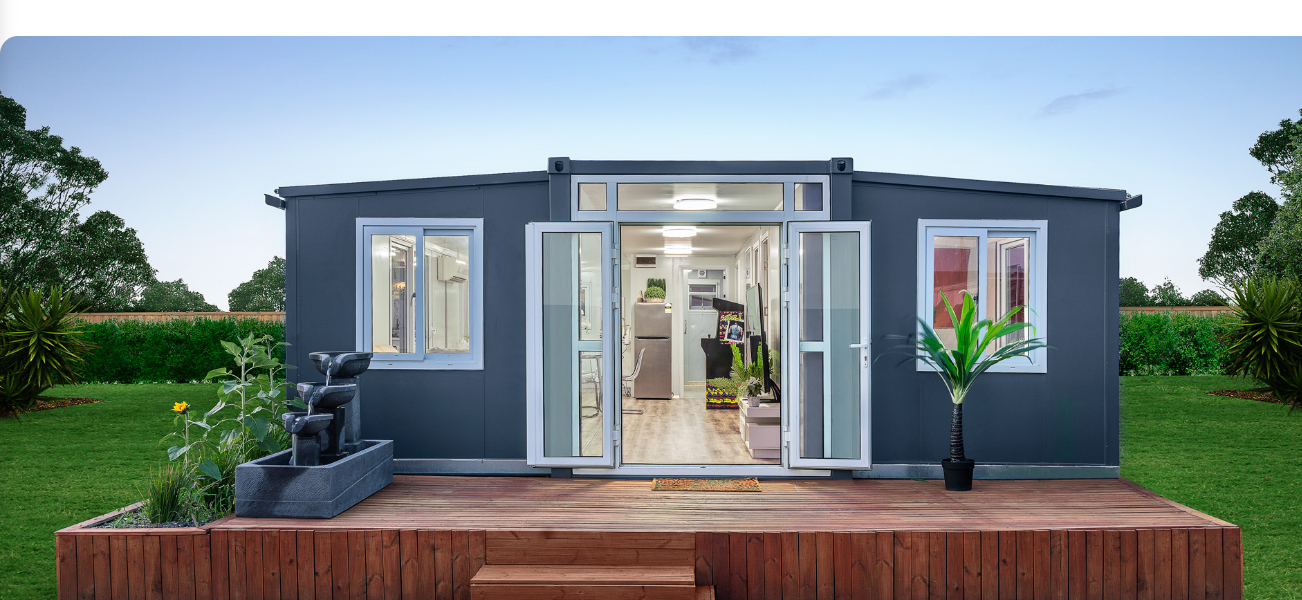
Key Challenges and Future Prospects for the Continued Development of Expandable Container Homes in the United States
Regulatory and Approval Barriers: Building codes and zoning regulations vary across regions, making obtaining building permits a complex and time-consuming process. Public Perception and Stigma: Some still associate this type of housing with low-end, temporary housing, making market education and brand building crucial. Financing and Insurance Barriers: Obtaining traditional financing and property insurance remains more difficult than for traditional housing, limiting its market penetration. Technical Integration and Quality Control: Sealing, insulation, and long-term maintenance of module joints are key technical issues, requiring the establishment of industry-standard quality standards. Land and Infrastructure Constraints: Finding suitable land with convenient infrastructure (water, electricity,…
-
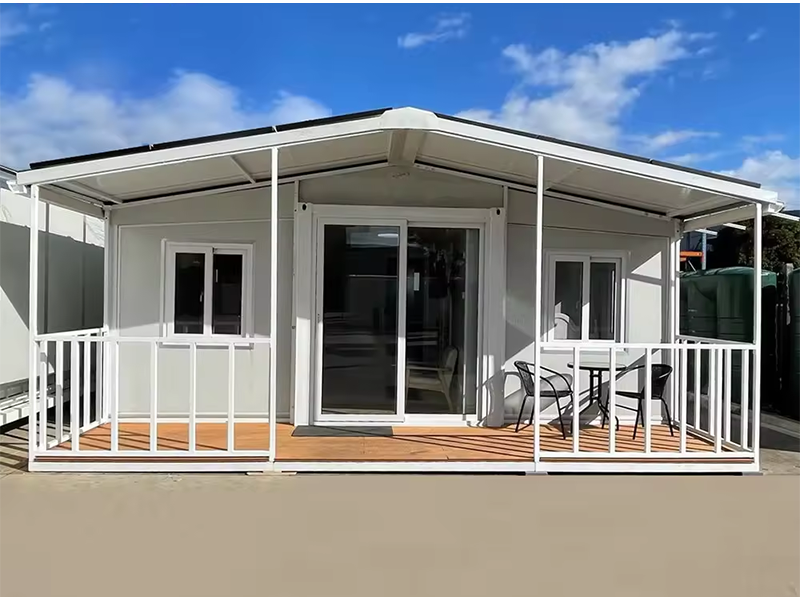
The Continued Development of Expandable Container Homes has a Wide-ranging Impact on the Global Level
Positive Impacts Promoting Global Construction Industrialization: Accelerating the global construction industry’s transition from labor-intensive on-site construction to technology-intensive factory manufacturing. Promoting Global Green Technology Exchange: A global knowledge and technology transfer has been fostered around the innovation and application of technologies such as energy conservation, rainwater harvesting, and solar integration. Creating a New Global Economic Ecosystem: This has spawned a new global industrial chain of design firms, technology suppliers, professional builders, and online platforms specializing in container construction. Enhancing Emergency Response Capabilities: Providing a standardized, rapidly deployable housing solution for global humanitarian aid and post-disaster reconstruction. Common Challenges Gaps in…
-
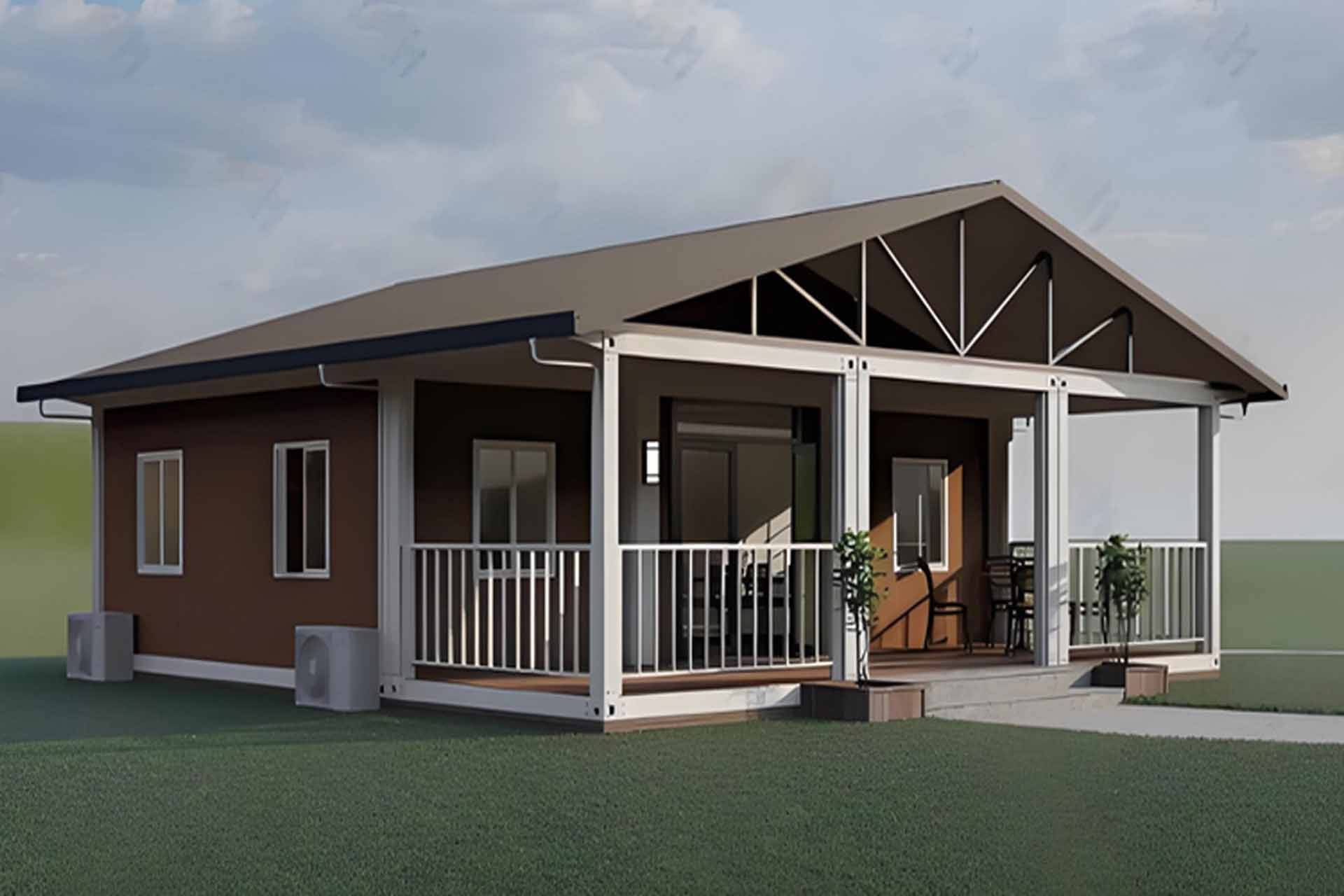
Expandable Container Homes Utilize Standard Shipping Containers, Designed to be Expandable Both Horizontally and Vertically
Expandable container homes utilize standard shipping containers, designed to be expandable both horizontally and vertically. Their core value propositions—modularity, affordability, rapid deployment, sustainability, and flexibility—give them strong global appeal. However, their specific development drivers, application models, and challenges vary significantly across regions with varying levels of economic development, cultural backgrounds, and climatic conditions. Core Drivers of Global Development Global Urbanization and the Housing Crisis: The United Nations estimates that over one billion people worldwide live in slums or informal settlements. Rapid urbanization has exacerbated the shortage of affordable housing. Container homes, with their speed and cost-effectiveness, offer governments and developers…
-
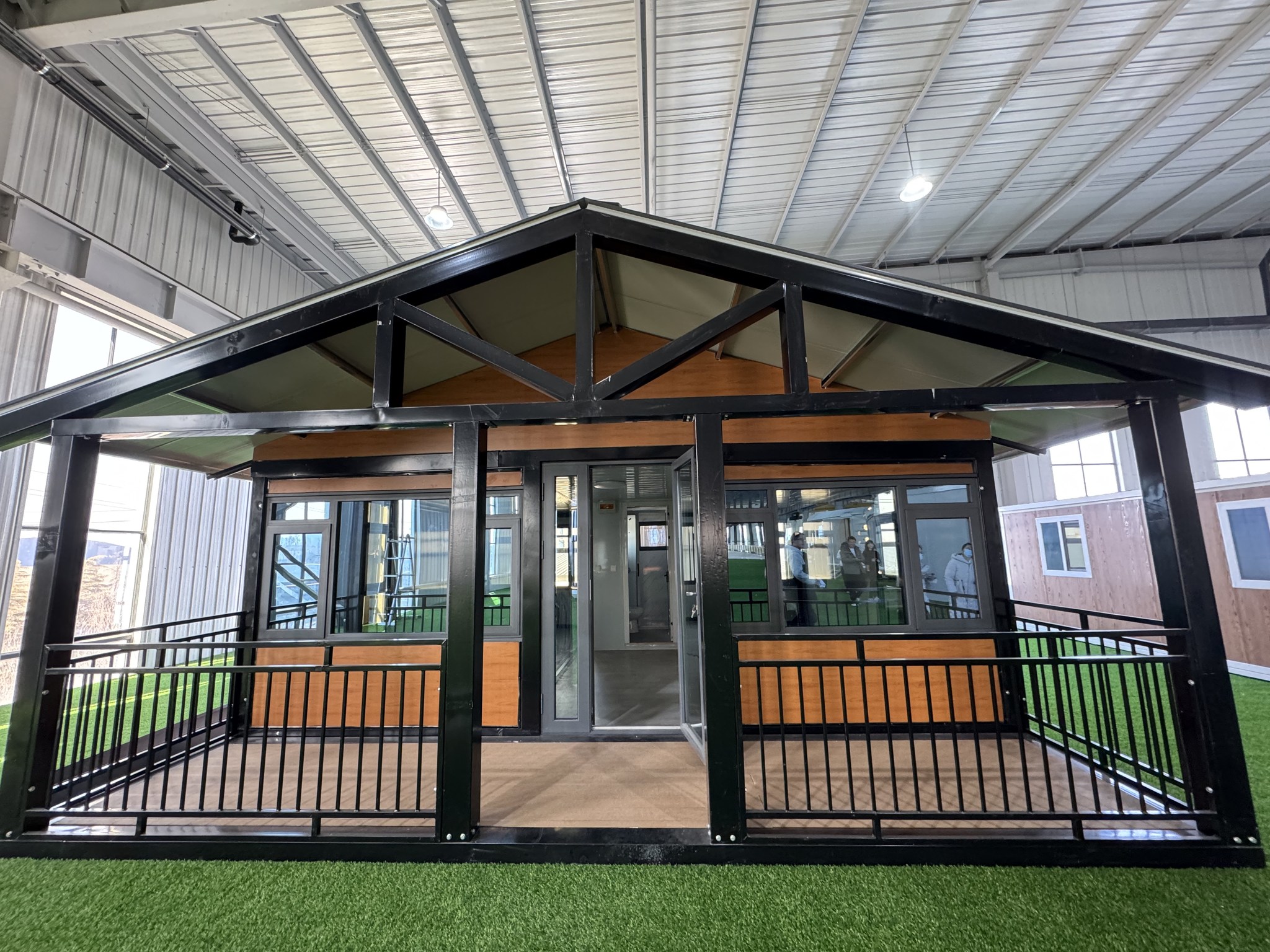
The Rise of Expandable Container Houses as an Innovative Building Model Around the World and its Multi-dimensional Impact
Expandable container housing, as an innovative architectural model, is gaining popularity around the world and bringing multidimensional impacts. A perspective beyond national boundaries reveals that this trend is not merely an innovation in construction technology but also a creative response to shared global challenges, such as urbanization pressures, the housing crisis, resource shortages, and climate change. The report finds that expandable container housing is developing in diverse models across different regions of the world, profoundly influencing local urban landscapes, housing policies, economic models, and even sustainable development pathways. It represents the convergence of modular construction, the circular economy, and flexible…
-
The Impact and Trends of Expandable Container Houses in the United States
The growth of expandable container homes in the United States is far more than just an architectural fad; it represents a powerful response to the deep-seated contradictions in the current real estate industry regarding affordability, sustainability, and flexibility. It is moving from the periphery to the center, gradually penetrating and reshaping core aspects of the real estate industry, including development, financing, marketing, and valuation. Despite challenges related to regulations, financing, and awareness, its inherent potential—to provide high-quality, personalized, and environmentally responsible living solutions through an industrialized, modular approach—makes it an indispensable part of the future real estate landscape. For industry…
-

The Core Driving Force Behind the Development of Expandable Container Houses in the United States
Expandable container homes use standard shipping containers as their primary structural modules, yet utilize innovative design and engineering to enable horizontal and vertical expansion. Key features include: Modularity: Most of the structure and interior finishes are completed in a factory, creating standardized modules. Scalability: Owners can “add” new container modules in the future to accommodate changes in family size, financial status, or needs, enabling flexible growth. Sustainability: By primarily utilizing retired shipping containers, this facilitates resource recycling and reduces construction waste by approximately 30%-50%. Cost and Time Efficiency: Factory-based production significantly shortens construction timelines (saves 30%-60% compared to traditional construction)…
-

The Positive Impact of Container Houses on Europe as a New Type of Housing
Environmental and Sustainable Development Impacts Promoting a Circular Economy: Directly reusing tens of thousands of idle, retired shipping containers significantly reduces steel production and construction waste, exemplifying the principles of “reduce, reuse, and recycle.” Reducing Embodied Carbon: Compared to traditional brick-concrete structures, utilizing existing container frames significantly reduces embodied carbon emissions during construction. High Resource Efficiency: Modular construction reduces on-site construction waste, noise, and dust pollution, shortens construction cycles, and minimizes environmental impact on the site. Socioeconomic Impacts Providing Affordable Housing Options: Container homes typically cost less than traditional housing, offering a new option for students, young professionals, and low-income…
-
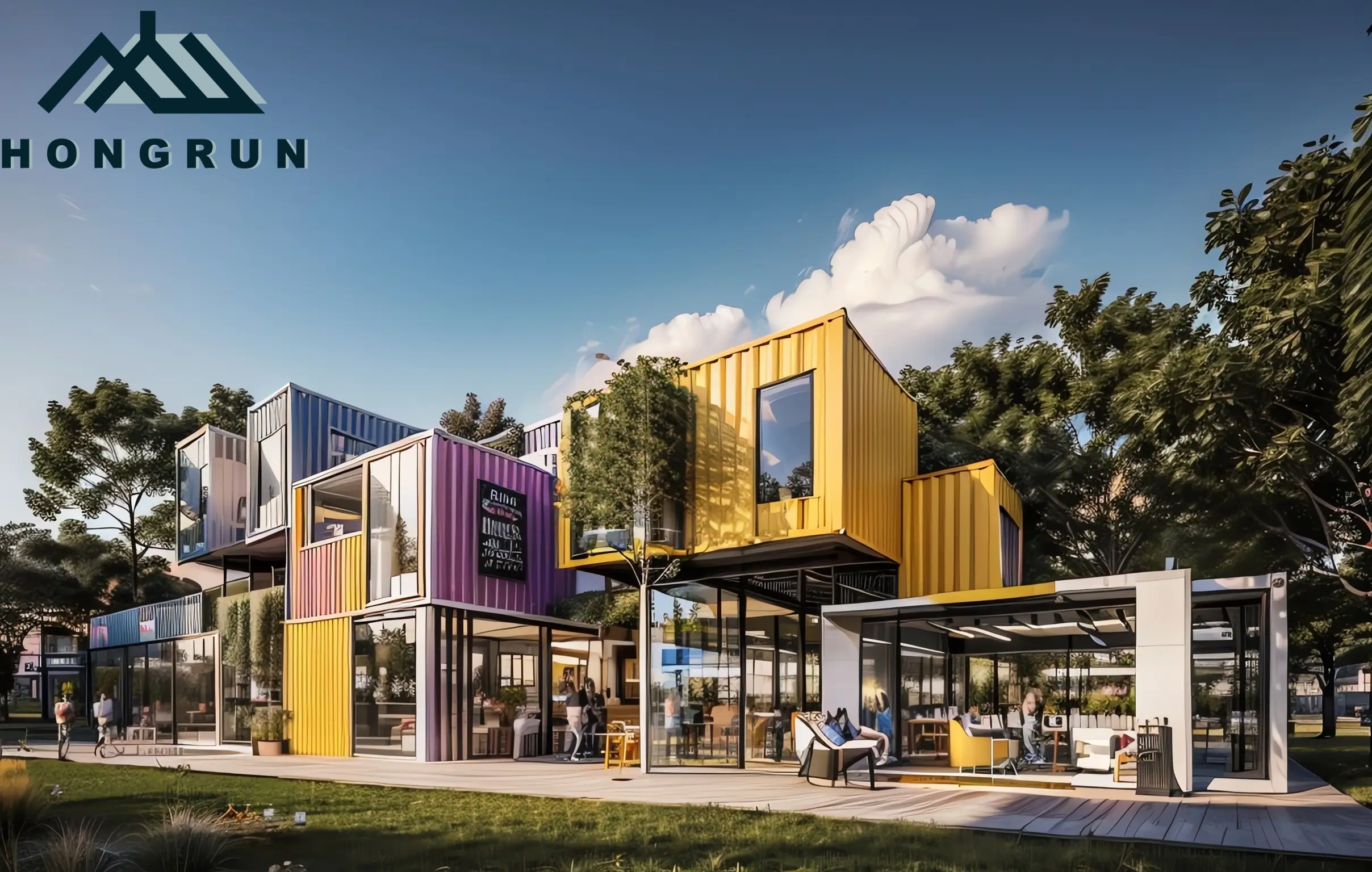
The Multiple Impacts of the Continued Development of Container Houses as an Innovative Architectural Form in Europe
The continued growth of container housing as an innovative architectural form in Europe has brought about multiple impacts. This trend not only complements and challenges the traditional construction industry but also profoundly impacts Europe’s social, economic, environmental, and policy dimensions. Its positive impacts are primarily reflected in promoting a circular economy, providing affordable housing solutions, and stimulating innovation in architectural design. However, its development also faces challenges in terms of technical regulations, social awareness, and market acceptance. Overall, container housing is an important component of Europe’s journey towards a more sustainable and resilient urban future, but its large-scale development requires…