



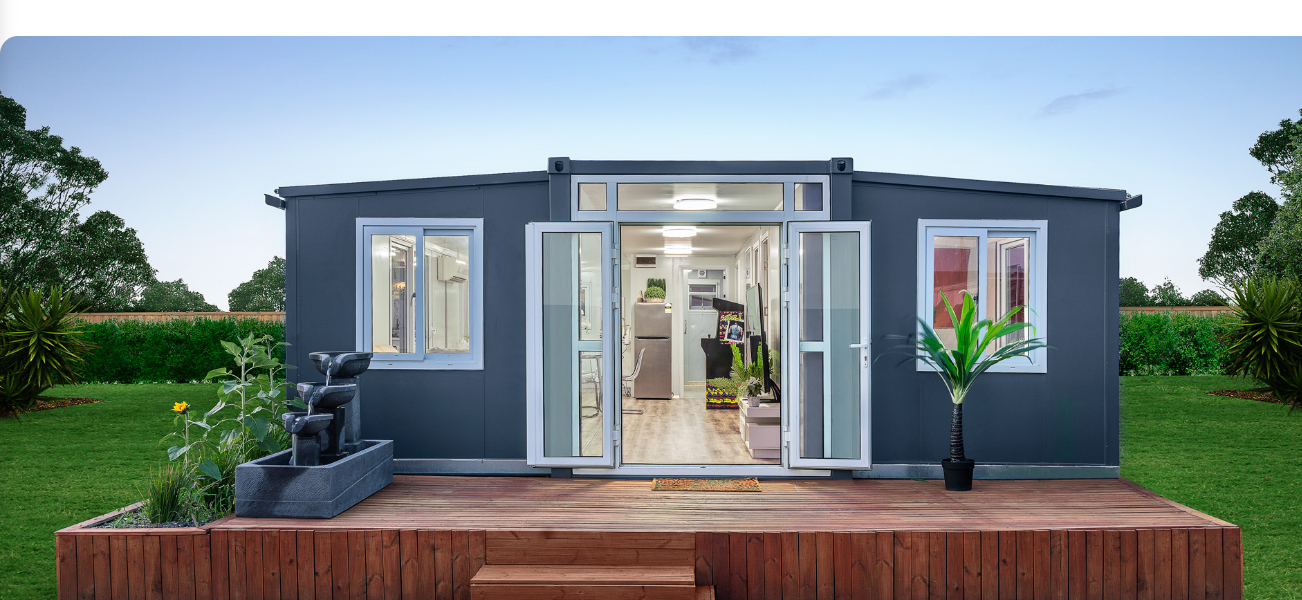
Regulatory and Approval Barriers: Building codes and zoning regulations vary across regions, making obtaining building permits a complex and time-consuming process.
Public Perception and Stigma: Some still associate this type of housing with low-end, temporary housing, making market education and brand building crucial.
Financing and Insurance Barriers: Obtaining traditional financing and property insurance remains more difficult than for traditional housing, limiting its market penetration.
Technical Integration and Quality Control: Sealing, insulation, and long-term maintenance of module joints are key technical issues, requiring the establishment of industry-standard quality standards.
Land and Infrastructure Constraints: Finding suitable land with convenient infrastructure (water, electricity, and sewage) for this type of housing is a major challenge.
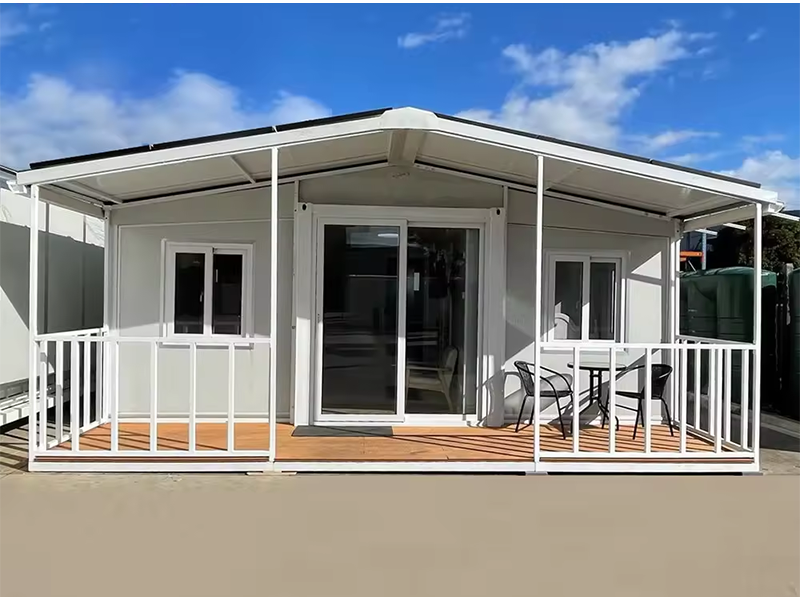
Future Outlook
Technology and Design Integration: This type of housing will be more deeply integrated with smart home technologies and renewable energy systems (solar panels and rainwater harvesting), becoming a testing ground for “future housing.”
Community-Based and Scaled Application: The development of single homes will evolve into entire communities or micro-villages, particularly for affordable housing and post-disaster emergency housing.
Regularization of policy support: We expect more states and cities to introduce incentives, such as tax breaks and expedited approvals, to encourage its development.
Specialization of the industrial chain: We anticipate the emergence of more professional service companies specializing in container housing design, transportation, installation, maintenance, and financing, forming a complete industrial ecosystem.