

-

The Core Driving Dorce of the International Development of Expandable Container Housing
Expandable container housing refers to a building form that uses standard shipping containers as its primary structural modules and is designed to be flexibly expanded or contracted in length, width, or height according to demand. Its core features are modularity and scalability, combining the sturdiness and stackability of container construction with the spatial flexibility required of traditional buildings. Core Drivers of International Development Global Housing Crisis and Rapid Urbanization: Globally, especially in developing and emerging economies, the surging urban population has led to a severe shortage of affordable housing. Container housing offers a rapid and low-cost alternative. Promoting the Sustainable…
-
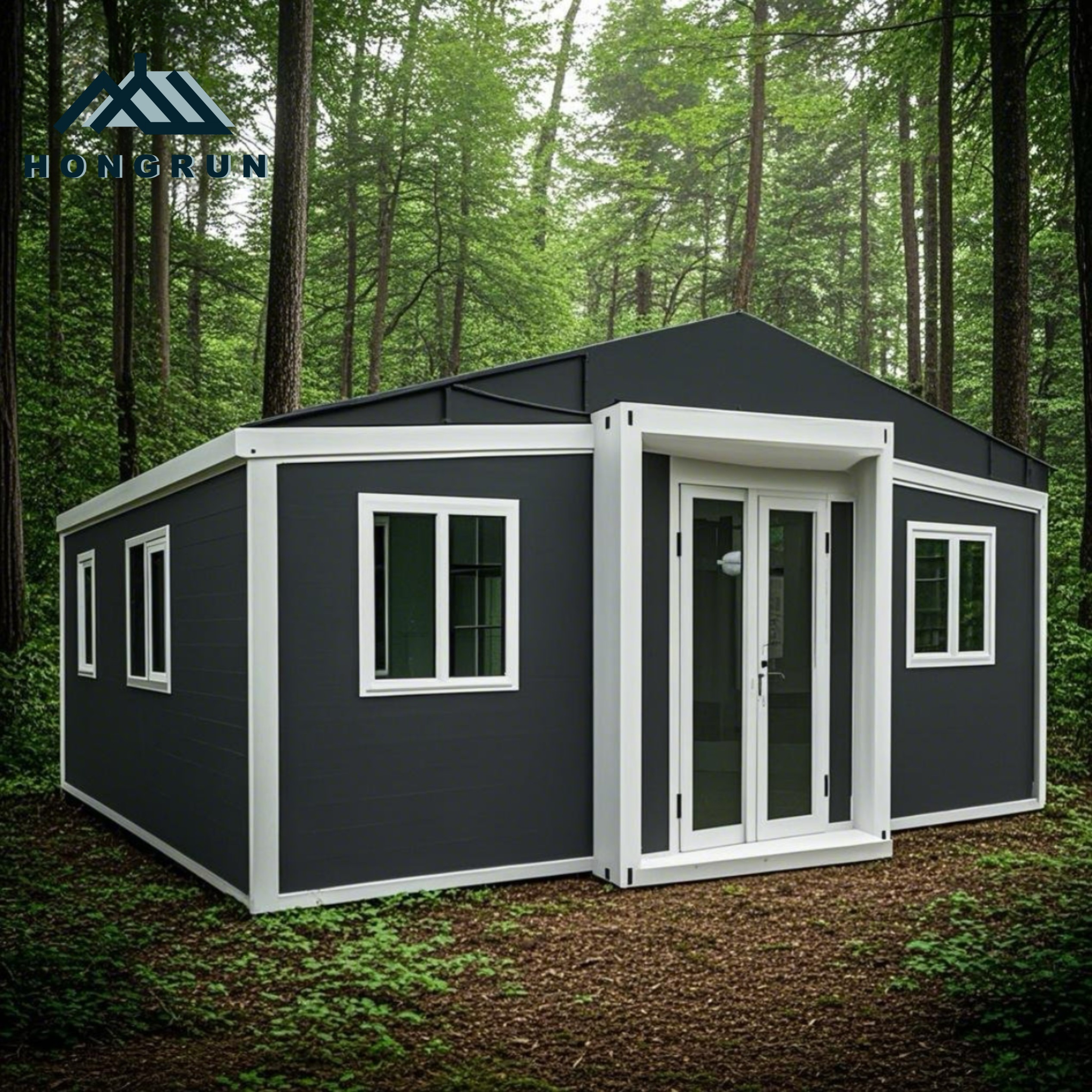
Problems and Challenges Encountered in the Development of Expandable Container Houses in Australia
Challenges and Issues of Concern Insulation and Energy Efficiency Challenges: Steel is a good conductor of heat. Ensuring adequate insulation and temperature control in Australia’s extremely hot or cold climates is a major technical challenge, and improper handling can lead to high energy bills. Approval and Regulatory Barriers: Despite improvements, incorporating container buildings into the existing National Building Code (NCC) and obtaining council approval can still be a complex, time-consuming, and uncertain process. Public Perception and Stigma: Some members of the public still associate container buildings with “bare,” “temporary,” or “low-end” housing, and market acceptance and property value retention remain…
-
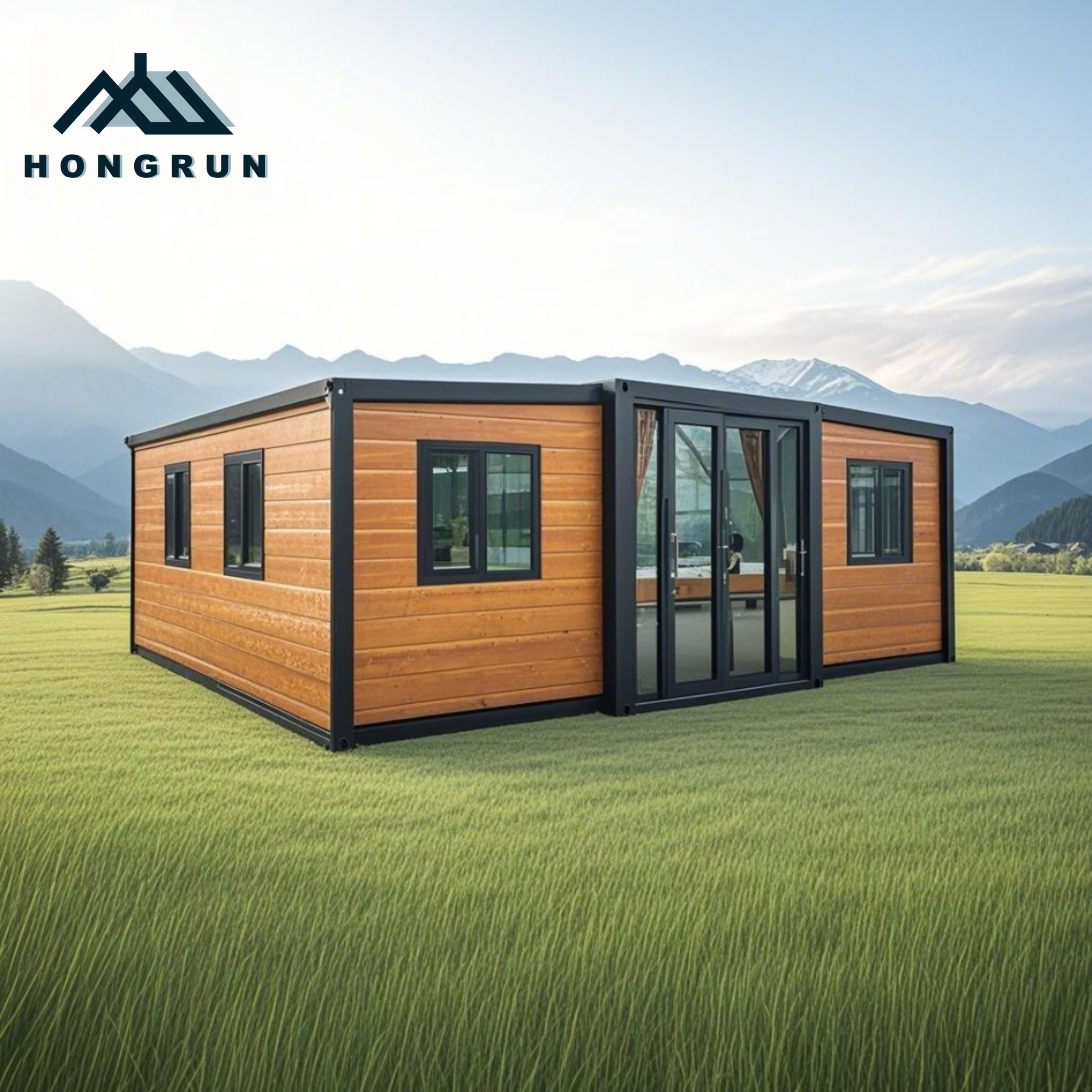
The Impact of Expandable Container Housing Development in Australia
Economy and Housing Market Increasing Housing Supply Diversity: This provides the market with a “third option” beyond traditional single-family homes and apartments, increasing housing diversity and alleviating supply pressures to a certain extent. Creating New Industries and Jobs: This has spawned a number of specialized companies specializing in container design, manufacturing, conversion, and construction, creating new jobs and forming an emerging green building industry chain. Lowering Barriers to Entry: This has enabled some groups previously unable to enter the real estate market to own their own homes, thereby increasing homeownership rates. Environment and Sustainability Resource Efficiency and Waste Reduction: Each…
-
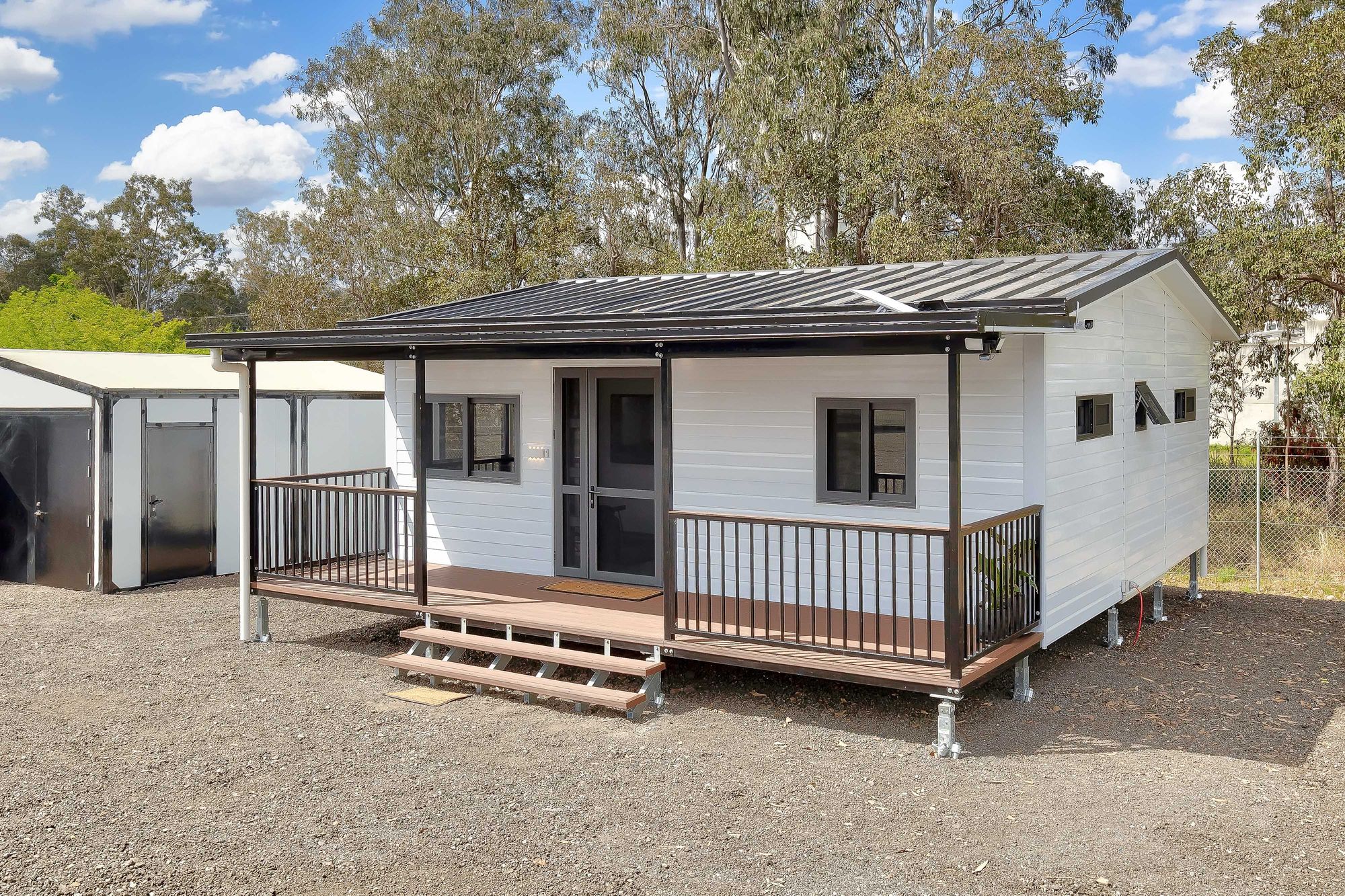
Expandable Container Houses in Australia: Development, Driving Factors and Multi-dimensional Impact Analysis Report
The booming growth of expandable container homes in Australia is primarily driven by the following factors: Housing affordability crisis: House prices and rents in major cities like Sydney and Melbourne remain high. Container homes offer a relatively low-cost alternative, typically costing less per square meter than traditional brick and wood construction, offering new possibilities for first-time homebuyers and low-income families. Strong sustainability: Australia has a strong environmental consciousness. The core concept of container construction—upcycling—transforms discarded industrial products into habitable spaces, significantly reducing construction waste and raw material consumption, which aligns well with Australia’s environmental values. Construction speed and flexibility: Container…
-
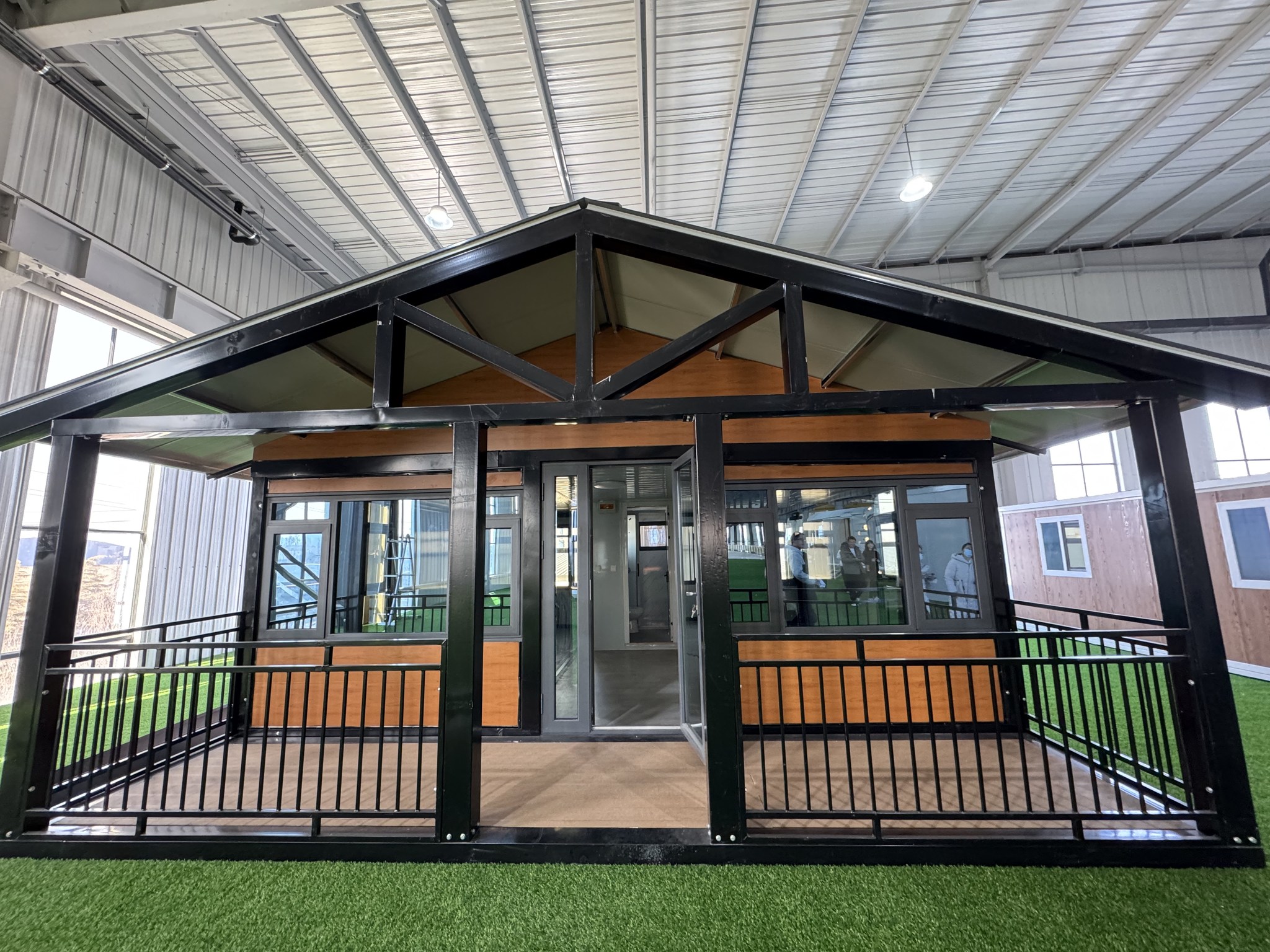
Why Expandable Container Homes are Growing in Australia
Australia faces several prominent structural challenges: a housing affordability crisis in major cities, a housing shortage in regional areas, and a growing demand for sustainable development. This is coupled with a growing global interest in upcycling and modular construction. Against this backdrop, expandable container homes—designed to expand horizontally or vertically to increase living space using standard shipping containers as their basic modules—are rapidly evolving from a fringe concept to a mainstream building option in Australia. From early backyard offices and holiday homes to today’s complete permanent residences, student housing, tourist accommodation, and emergency housing projects, the industry has developed a…
-

Apple Cabin as an Innovation in Hotel Investment and Operation Model
Investment Attractiveness and Modular Construction: Due to their relatively small size (typically individual or clustered units), initial investment can be lower than that of large, traditional hotels. Furthermore, their standardized design allows for prefabricated modular construction, shortening construction times and minimizing damage to the pristine natural environment, which aligns with sustainable investment principles. High Premium Capacity: Thanks to their unique experience and precise customer targeting, “Apple Cabins” can command rates significantly higher than traditional accommodations in the same location, offering a highly attractive return on investment. Improved Operational Efficiency and Challenges: Improved Efficiency: High levels of automation reduce staffing requirements…
-
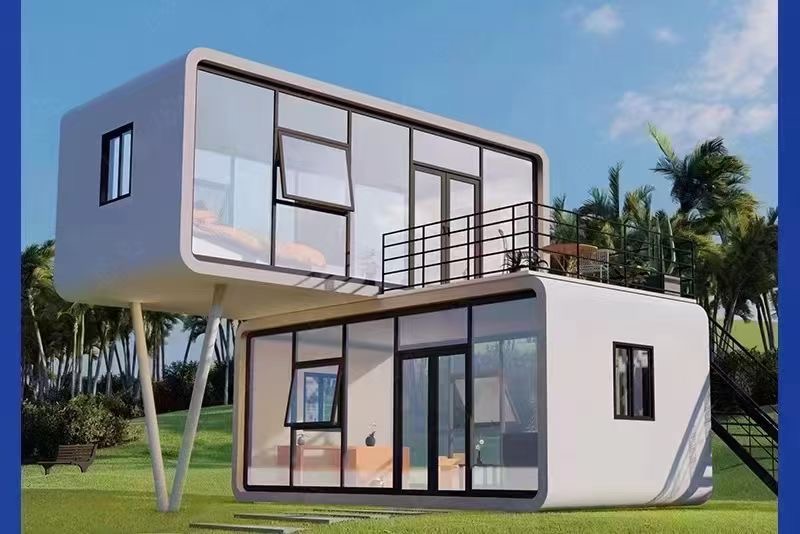
The Impact and Reshaping of the Hotel Industry by the Apple Cabin
The emergence of the “Apple Cabin” has broken the boundaries of traditional hotel market segments, giving rise to a new high-end market segment. Defining a New Category: It precisely addresses the market gap between “glamping,” boutique design hotels, and tech-savvy hotels. It combines the natural environment and privacy of a luxury hotel with the design and comfort of an urban boutique hotel, and incorporates unprecedented technological integration. Intensifying Market Competition: It directly competes with traditional resorts, rural inns, and even high-end Airbnb listings. Its unique value proposition (extreme design, seamless technology, and natural tranquility) has attracted a new generation of…
-
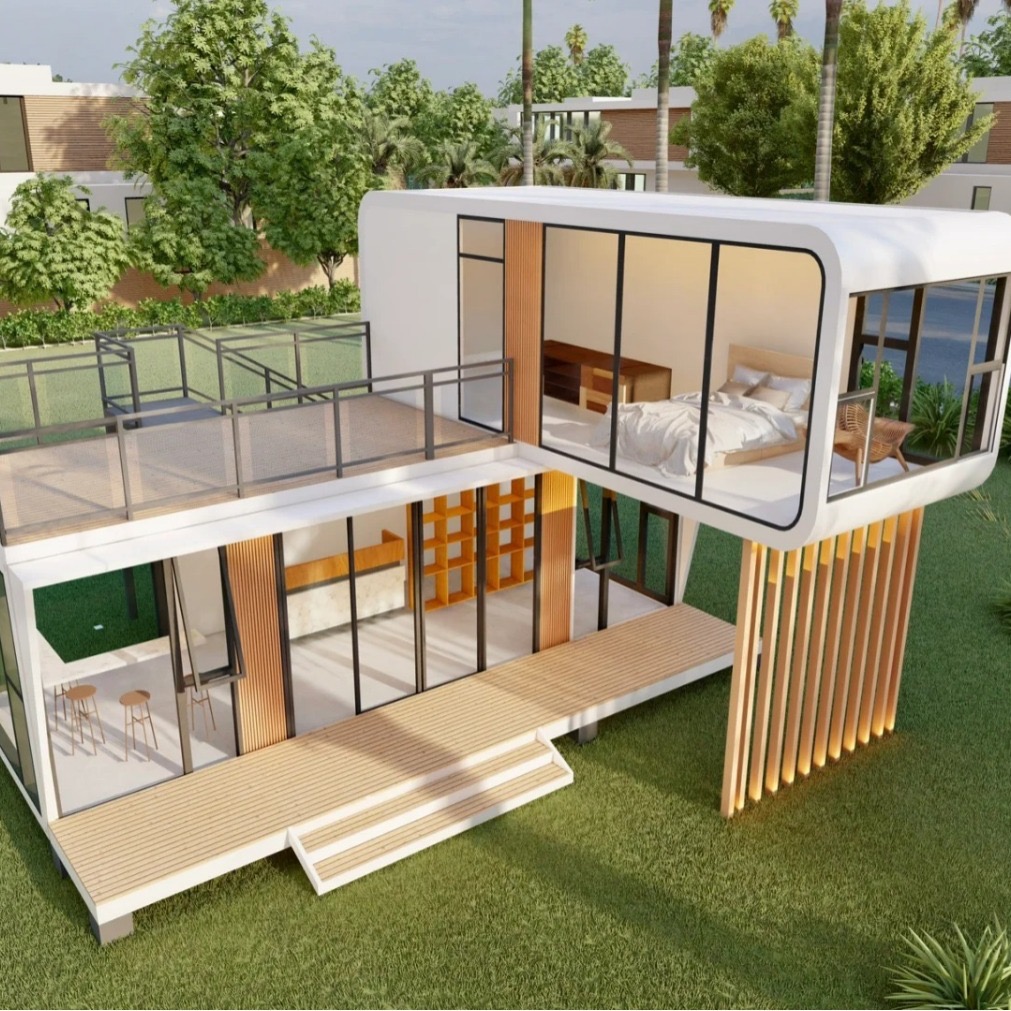
The Ongoing Impact of The Apple Cabin’s Continued Development
The construction and development of Apple Huts have had a significant and far-reaching impact on the local economy, reflected not only in direct fiscal contributions and job creation, but also in the reshaping of the surrounding industrial ecosystem and regional economic structure. The development of Apple Huts not only brings economic benefits but also profoundly impacts the local social structure, cultural ecology, and community relations. These impacts include both positive changes and challenges that require attention and adaptation. Looking ahead, with the acceleration of technological innovation and industrial transformation, the concept and form of Apple Huts will continue to evolve.…
-
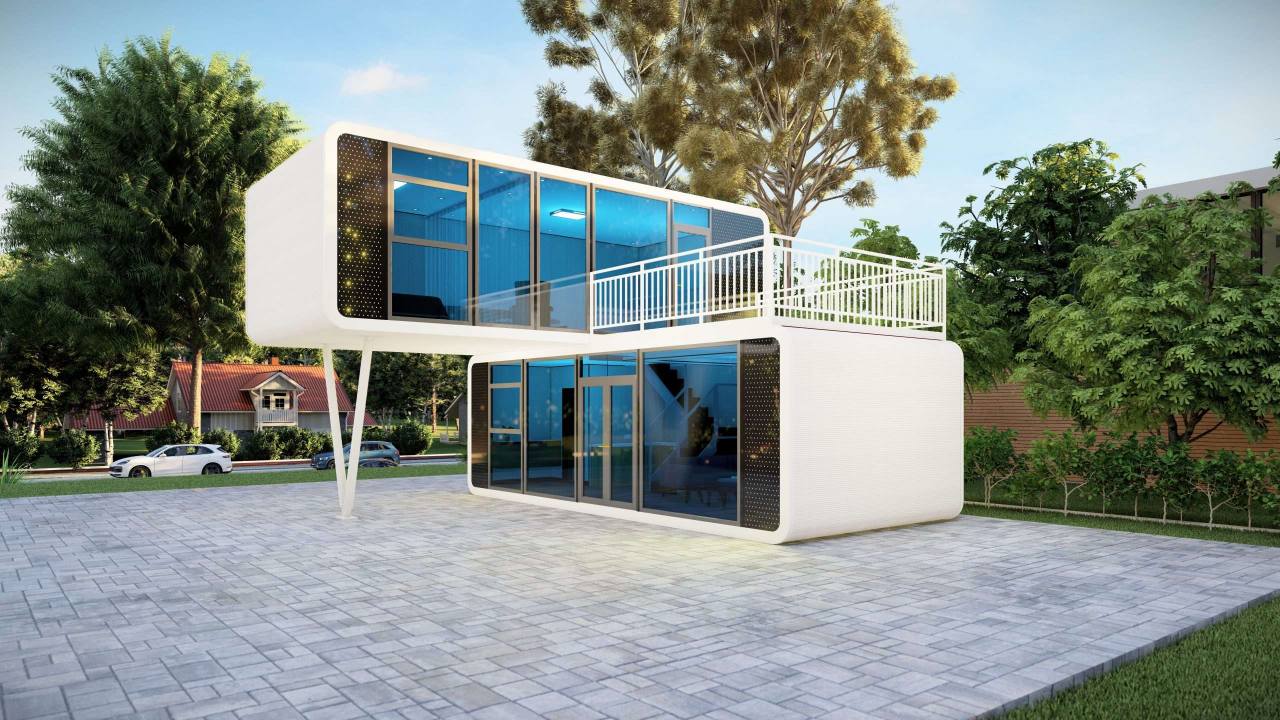
Apple Hut’s Development in the Global Market Requires Development Suggestions to Meet the Challenges
Strengthen technological research and development to enhance product strength: Problems such as ventilation and moisture control can be fundamentally addressed through integrated fresh air systems and intelligent dehumidification equipment. Furthermore, continuous research and development in materials science and structural engineering will enhance product durability, safety, and comfort. Break through design limitations and improve flexibility: Addressing the inherent limitations of fixed layouts, more flexible interior partition systems or interchangeable functional modules can be introduced during the design phase, allowing users to adjust the layout later. Furthermore, proactive, personalized, and customized design solutions can be provided to consumers, transforming the disadvantage of…
-
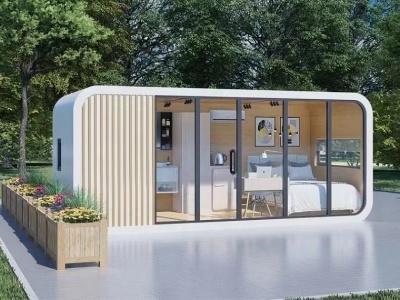
The Market Potential and Expansion Path of Apple Cabin in International Development
Market Growth Drivers: The global prefabricated building market is expanding, and the modular Apple Cabin perfectly meets the growing demand for unique accommodations in the tourism industry, temporary commercial facilities in urban renewal, and rapidly deployable buildings in emergency situations. This is the core driving force behind its continued growth. Diversified Application Development: Beyond the established tourism and resort sector, future applications could be actively explored in more diverse scenarios, including temporary office spaces, emergency response command posts, field research sites, and even urban micro-spaces (such as community bookstores and cafes), thereby reducing reliance on a single market. Technological Iteration…