
-
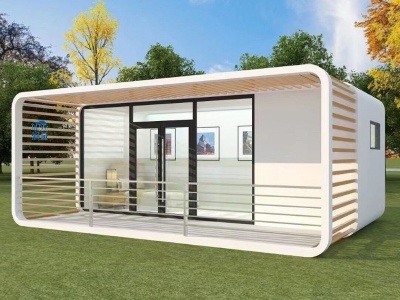
Comprehensive Advantage Analysis of Apple Cabin Development
The strength of the “Apple Cabin” lies in its perfect fusion of the ultimate design, user experience, and technological ecosystem represented by “Apple” with the natural, tranquil, and minimalist living philosophy embodied by “Cabin.” It is more than just a shelter from the elements; it is a meticulously crafted “technological living cabin” that connects nature and the future. Its core competitiveness lies in providing high-end users with a comprehensive solution that combines aesthetic value, technological convenience, environmental friendliness, and emotional satisfaction. It represents a key development direction for the prefabricated construction industry towards high-end, branded, and personalized design. Like most…
-
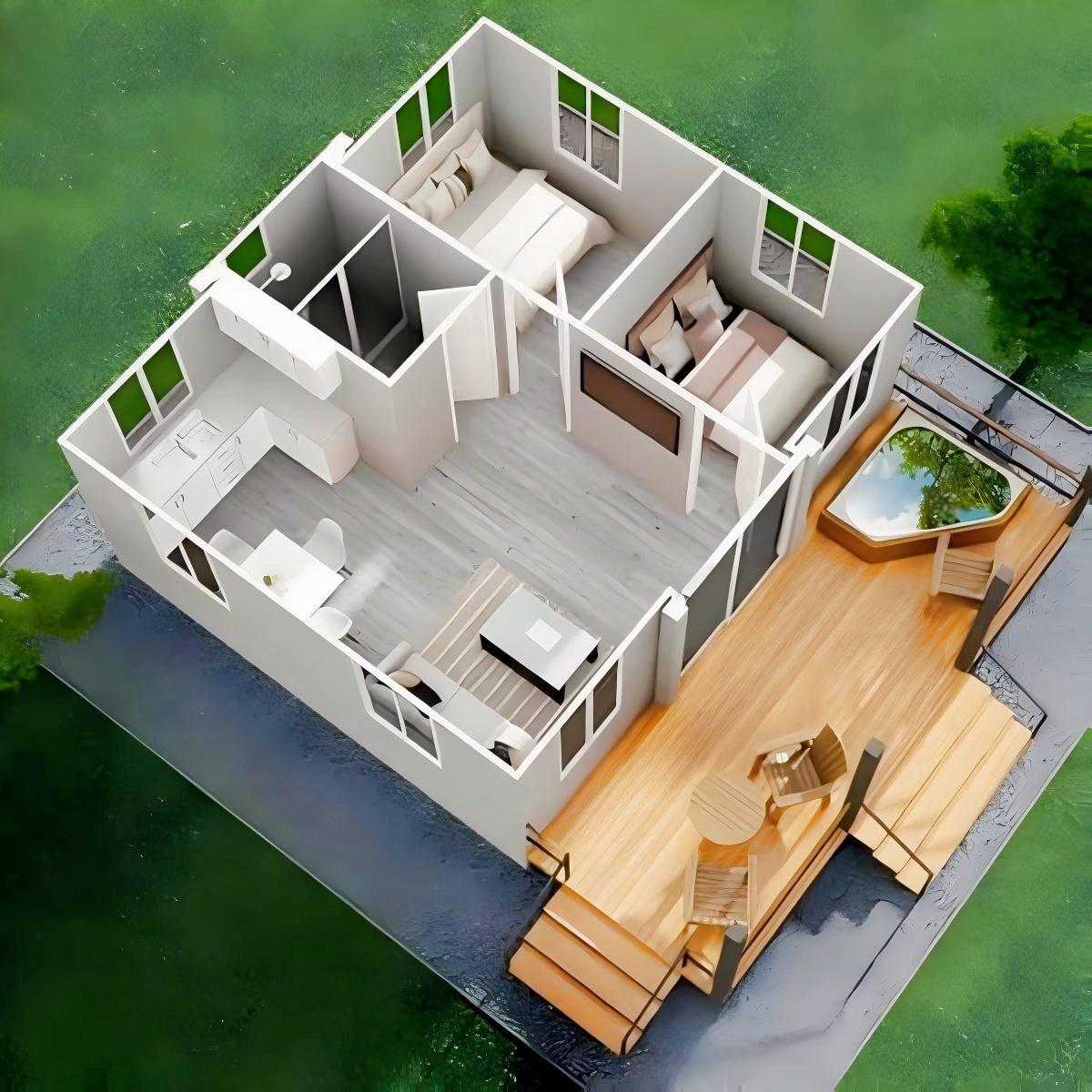
Development of Expandable Container Housing in China: Policy-driven and Large-scale Application
Strong Industrial Capacity and Cost Advantages: As the world’s largest container manufacturer and exporter, China boasts unparalleled supply chain advantages and extremely low manufacturing costs. This lays a solid foundation for the large-scale adoption of expandable container homes. Alignment with National Strategy: The goal of “carbon neutrality” is driving the development of green buildings, and the recyclable nature of container homes aligns well with this. Furthermore, government projects in areas such as beautiful rural development, poverty alleviation through tourism, and temporary construction site camps offer a significant market for container homes.
-
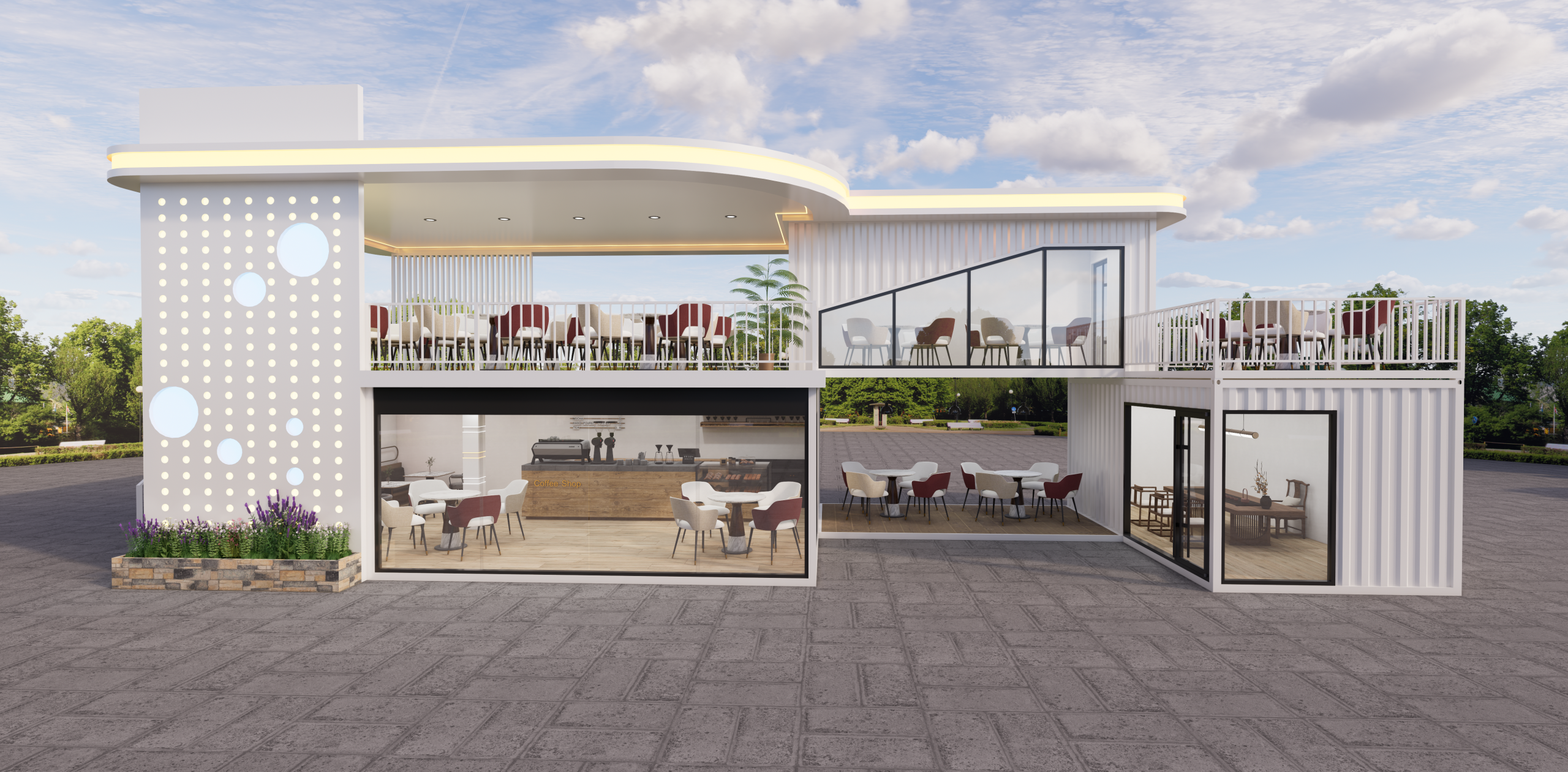
Global Sustainable Development of Expandable Container Houses
The global development of expandable container homes clearly demonstrates their high adaptability as a building solution. Their advantages are not static; rather, they evolve in diverse focuses and forms, tailored to the specific national conditions of each country, incorporating local economic needs, social issues, environmental policies, and technological advancements. From personalized innovation in the United States to large-scale application in China, from green pioneers in Europe to disaster resilience in Japan, their “comprehensive development advantages” are truly embodied and validated through such localized practices.
-
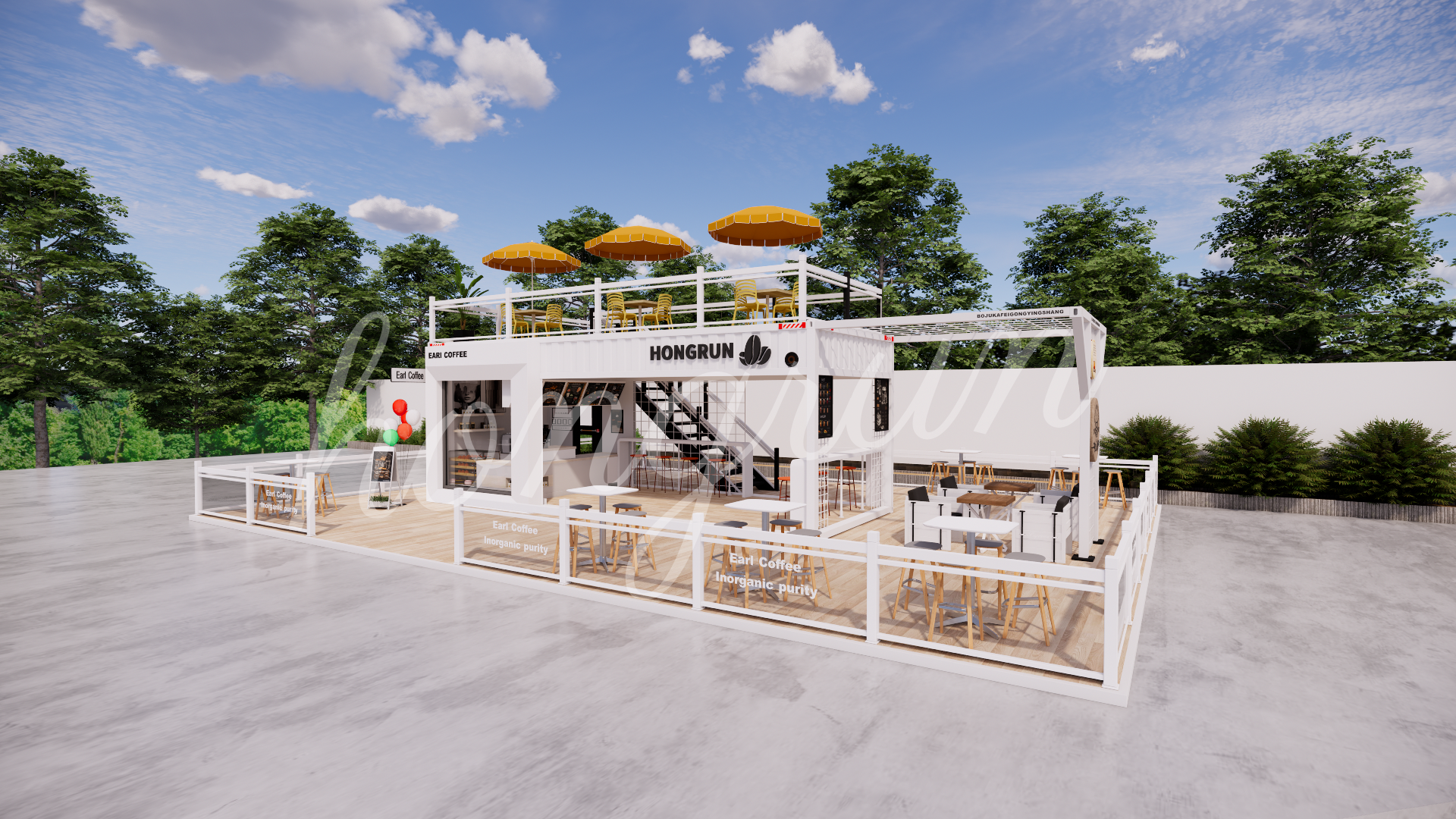
Expandable Container Homes in Japan: Disaster Prevention and Adapting to Demographic Hanges
Excellent disaster and earthquake resistance: Earthquakes are frequent in Japan, making building safety a top priority. The earthquake resistance of container steel structures is one of their core advantages. Furthermore, they have great potential as emergency housing after disasters, quickly providing safe, dignified temporary shelter for disaster victims. Land scarcity and modularity are a natural fit: Land is scarce in Japanese cities, and building layouts are often constrained by small plots. The standardized size and modular nature of containers allow them to be efficiently integrated into a variety of irregular or small plots.
-
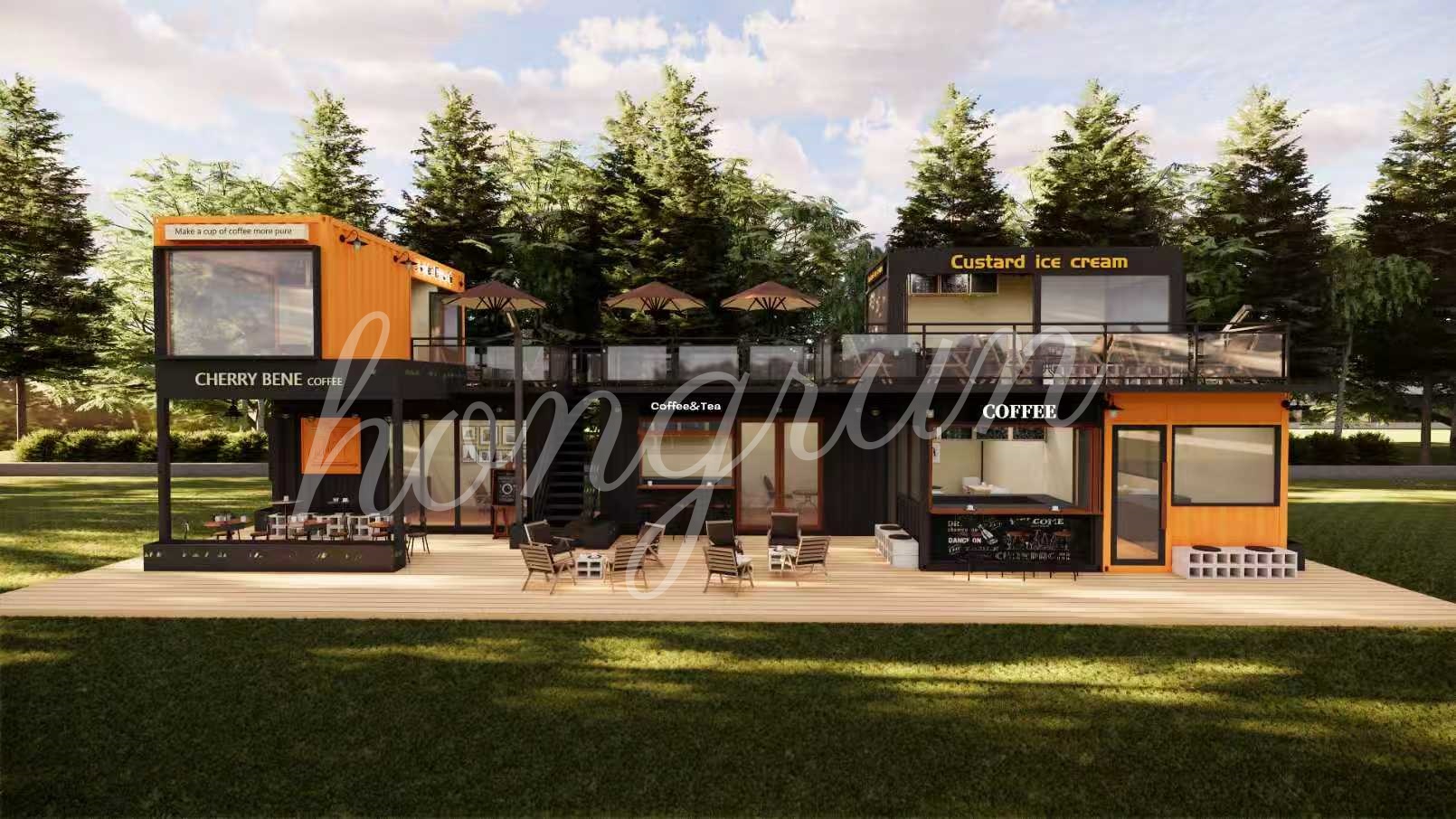
Expandable Container Housing in Europe: Sustainable Development and Urban Renewal
Strongly driven by environmental awareness: European countries have strict regulations and targets for carbon emission reduction and the circular economy. Using used shipping containers to build homes is a prime example of “upcycling,” highly consistent with Europe’s green and sustainable development strategy and enjoying significant policy and social recognition advantages. Efficient utilization of existing urban land: Land available for new development in European city centers is scarce. The flexibility and small footprint of shipping container buildings make them ideal for infill development, revitalizing idle industrial sites and rooftop extensions, injecting new vitality into cities.
-

Expandable Container Homes in Australia: Addressing Housing Pressures and Regional Challenges
Addressing the housing affordability crisis: Australia’s major cities face high housing prices. Expandable container homes, with their relatively low cost and quick construction time, are an effective supplemental solution for increasing housing supply and alleviating this pressure. Adapting to the needs of vast remote areas: Australia’s outback is remote and sparsely populated. The modular nature of container homes makes them easy to transport and quickly erect, making them ideal for use in mining camps, remote research stations, tourist resorts, and other areas. Their expandable design allows these facilities to adapt to changes in staffing levels.
-
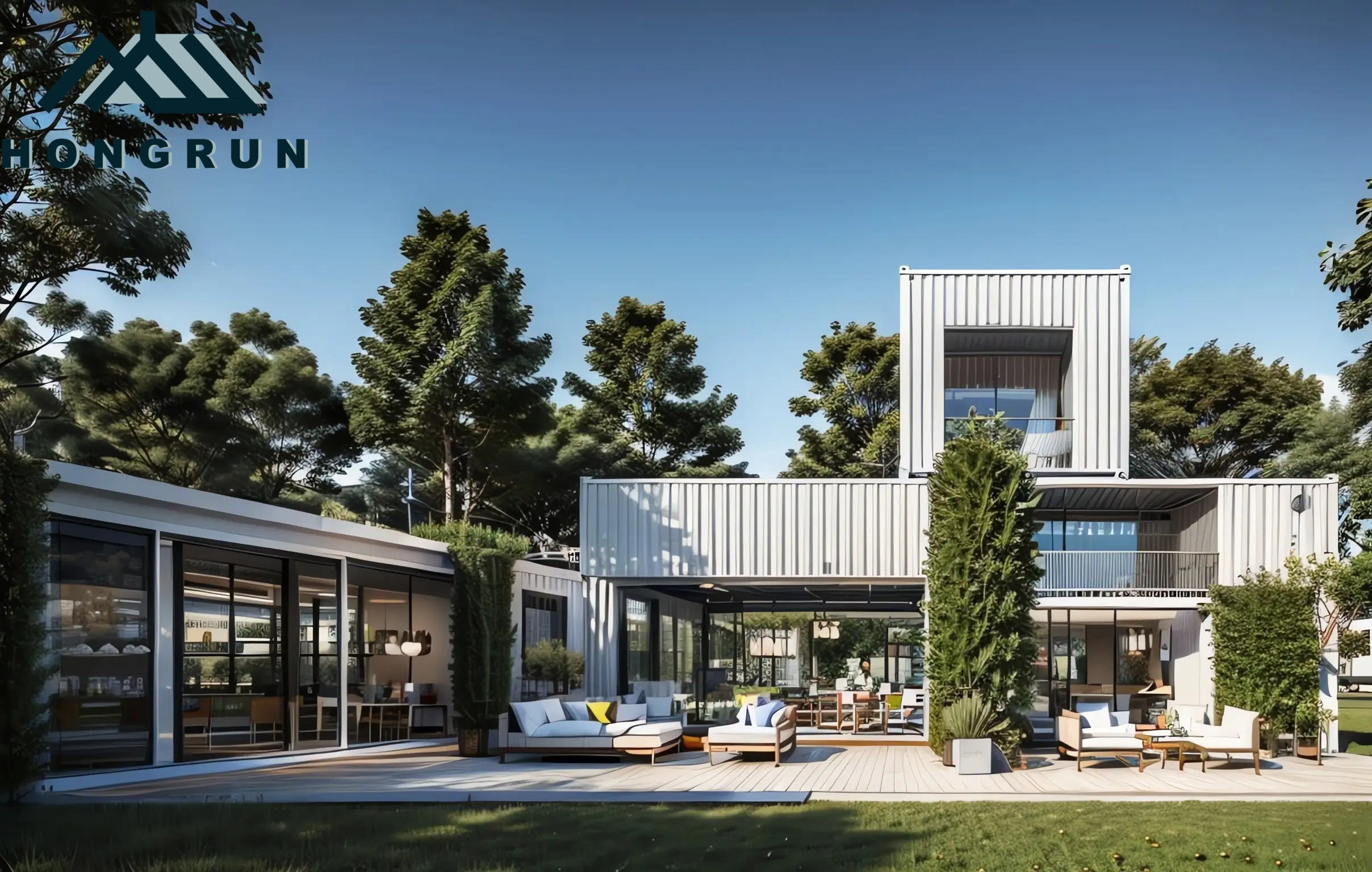
The North American Market for Expandable Container Homes: Innovation, Emergency Response, and Personalized Living
High Level of Innovation and Commercial Maturity: North America was one of the earliest regions to commercialize container construction, boasting a large number of professional design firms and builders. Its advantage lies in elevating container homes to the level of high-end, customized residences, emphasizing design, comfort, and intelligent integration. Relatively Comprehensive Regulations: Many states and cities have enacted building codes for modular and non-traditional homes, providing a clear path for legal construction and mitigating regulatory risks.
-
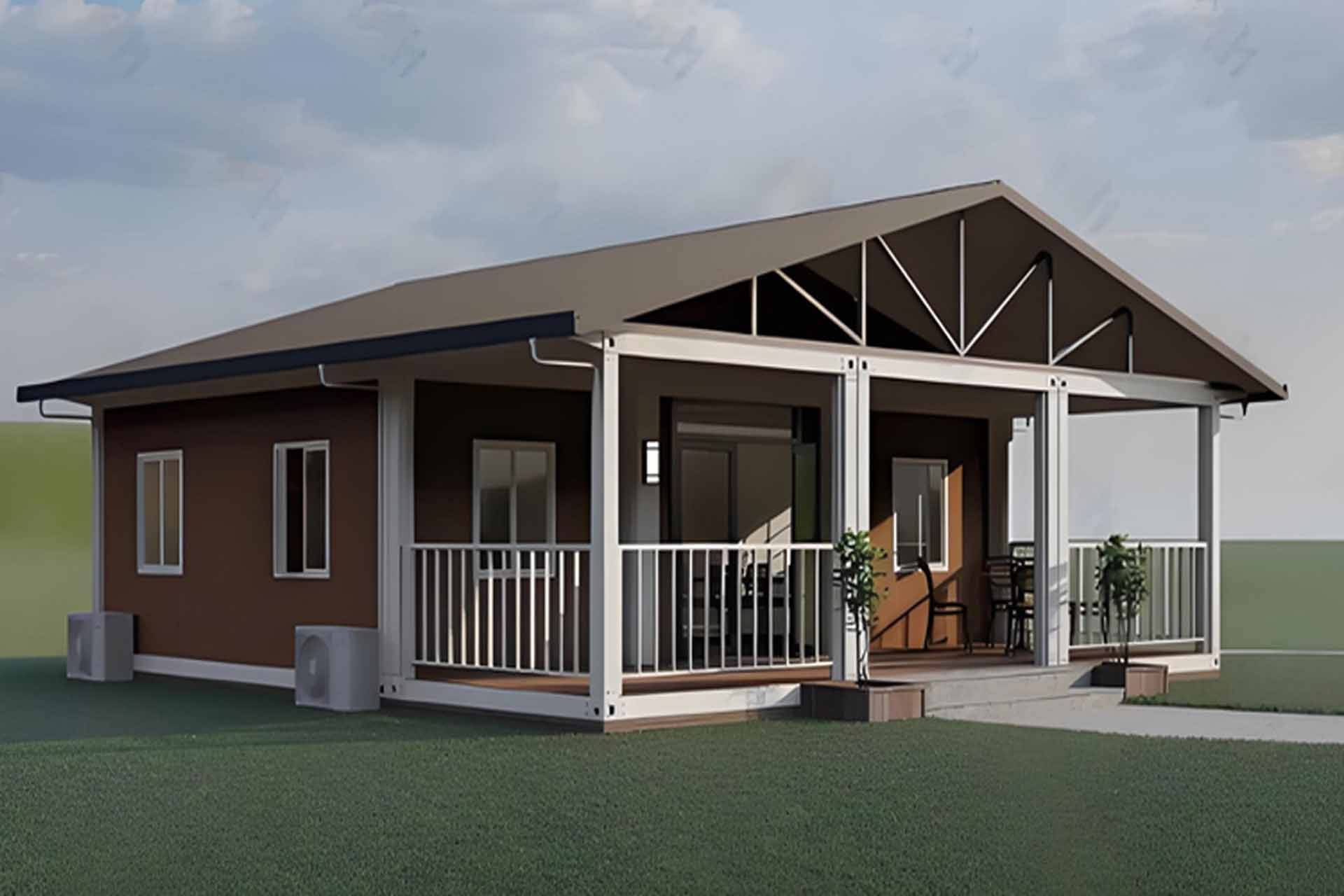
The Core Driving Factors for the Development of Expandable Container Houses in Australia
Housing affordability crisis: Housing prices in major Australian cities (such as Sydney and Melbourne) remain stubbornly high. Expandable container homes offer a viable alternative for many families, with their relatively low cost (approximately 10%-30% lower than traditional construction) and shorter construction time. Speed and Efficiency: Modular construction allows the containers to be manufactured in parallel in the factory, concurrently with on-site foundation work. This significantly reduces overall construction time (up to 50%) and significantly reduces weather-related delays.
-
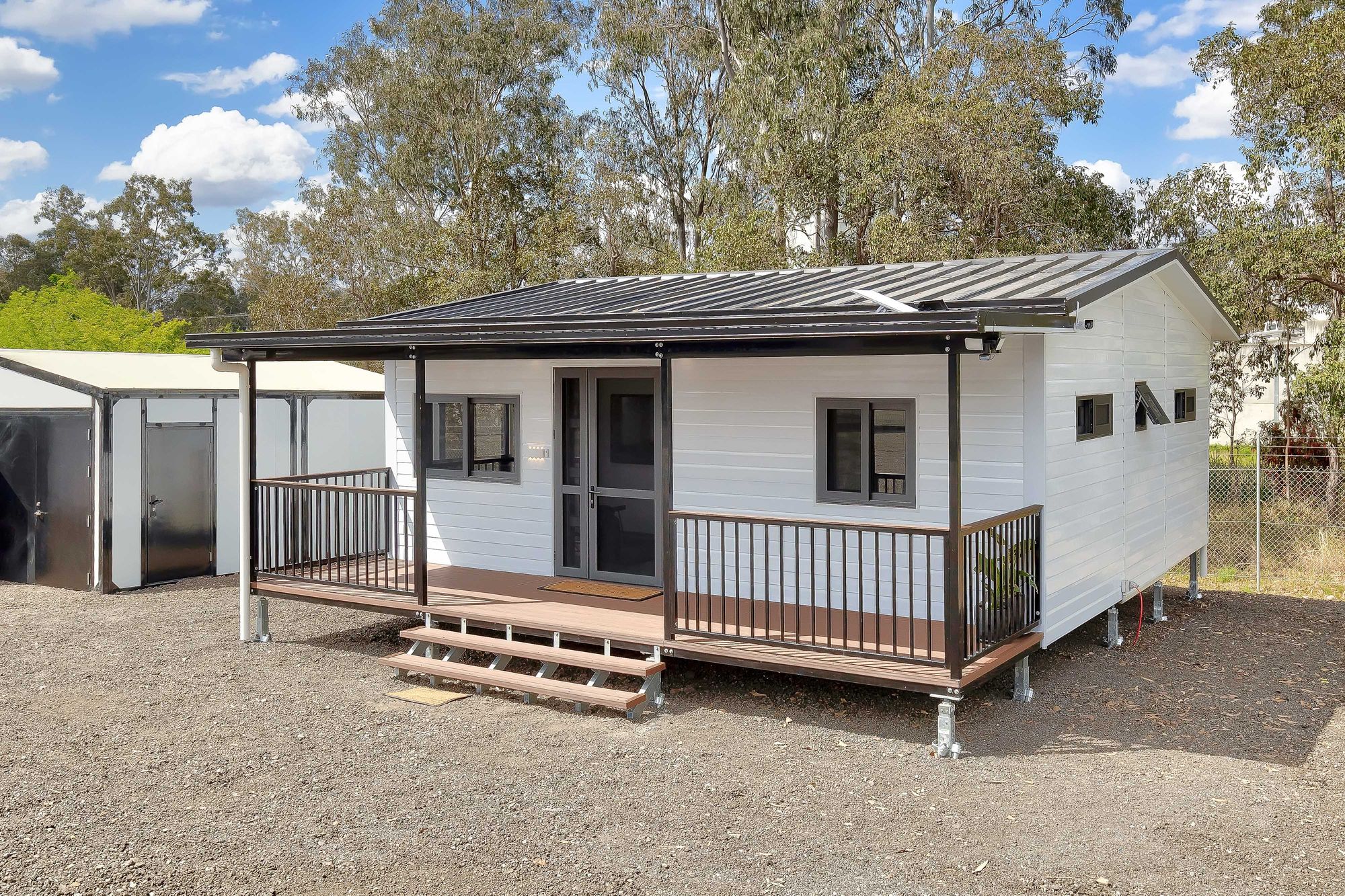
The Development of Expandable Container Housing in Australia
Expandable container homes, a modular, sustainable, and highly flexible form of construction, are experiencing significant growth in Australia. This growth is primarily driven by a severe housing affordability crisis, a strong demand for environmental sustainability, and the need for rapidly deployable building solutions. While challenges remain regarding regulatory approval, public awareness, and insulation technology, the industry holds a promising future, driven by technological innovation, design diversity, and policy support.
-
Three Important Development Directions of Expandable Container Houses
Expandable container homes represent a significant shift in the architectural landscape towards flexibility, sustainability, and intelligence. Their core value lies in resolving the triple contradictions of contemporary urban development: rapid urbanization and housing shortages, limited resources and environmental protection, and dynamic demands and fixed spaces. With the acceleration of technological advancements (elevating structures, intelligent systems) and growing market awareness, these types of buildings will evolve from a “temporary alternative” to a “mainstream choice,” establishing an irreplaceable competitive advantage in the residential, commercial, and emergency sectors.