
-
Background of The Global Development of Expandable Container Houses
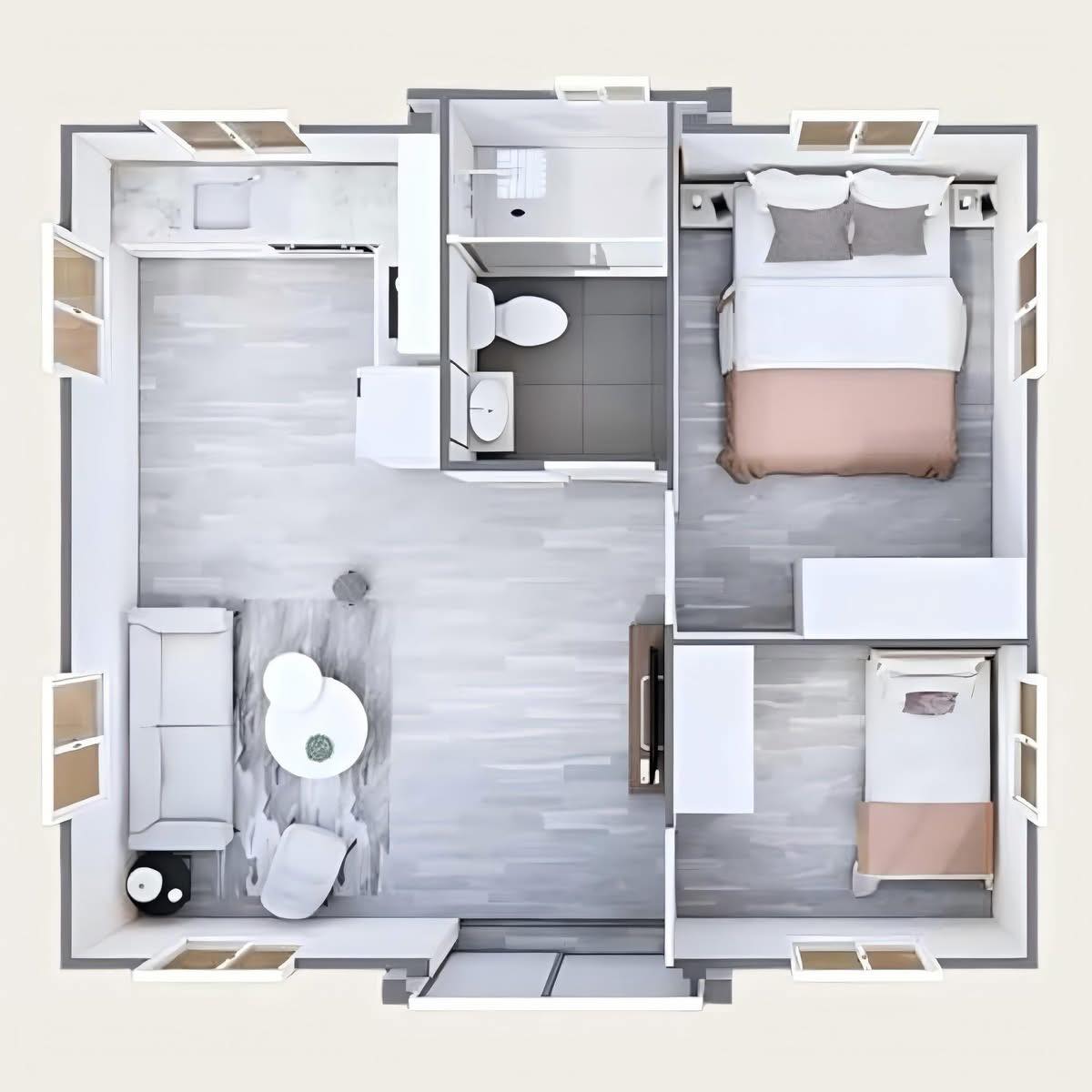
Against the backdrop of accelerating global urbanization and the deepening concept of sustainable development, expandable container homes are experiencing unprecedented development opportunities. The continued growth of urban populations has led to a surge in housing demand, while traditional construction models face significant challenges due to their high resource consumption and long construction cycles. Furthermore, land scarcity and tightening environmental regulations further highlight the advantages of this lightweight, mobile building format.
-
Expandable Container Homes see Market Expansion Driven by Demand in the UK
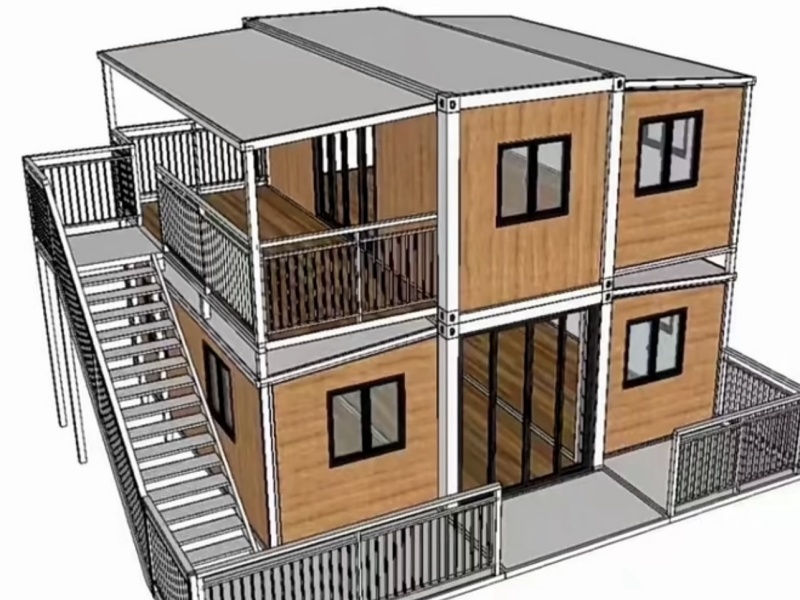
Due to the pressure of housing shortage, container houses have become an emergency choice for municipalities. The cost of expandable container houses is 30% lower than that of traditional buildings, and no foundation construction is required. They are suitable for non-standard plots such as brownfields and parking lots. In 2023, global container house sales will reach 15.4 billion yuan, with the UK accounting for 35% of the European share (leading country), and it is expected to reach 27.08 billion yuan in 2030.
-
The Development of Foldable Container Houses in the UK
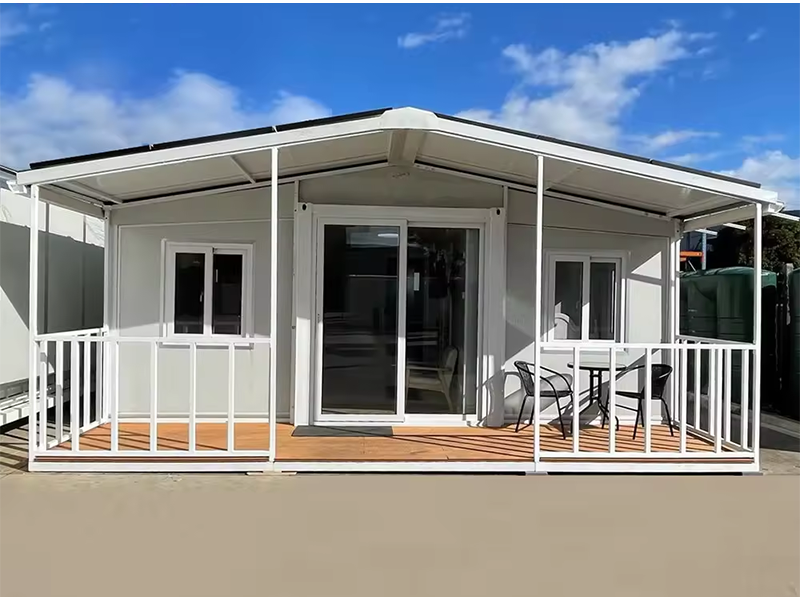
British companies are achieving spatial expansion and cost optimization through foldable steel structures (Ten Fold Engineering) and multi-layer stacking technology (Patalab’s nine-story container tower), while also promoting the technology’s penetration beyond temporary housing into commercial and healthcare settings. However, thermal performance deficiencies (cold in winter, hot in summer) and controversy surrounding welfare dependency remain major societal challenges. Future development focuses on integrating decarbonization technologies and intelligent modular systems to balance economic efficiency and sustainability.
-
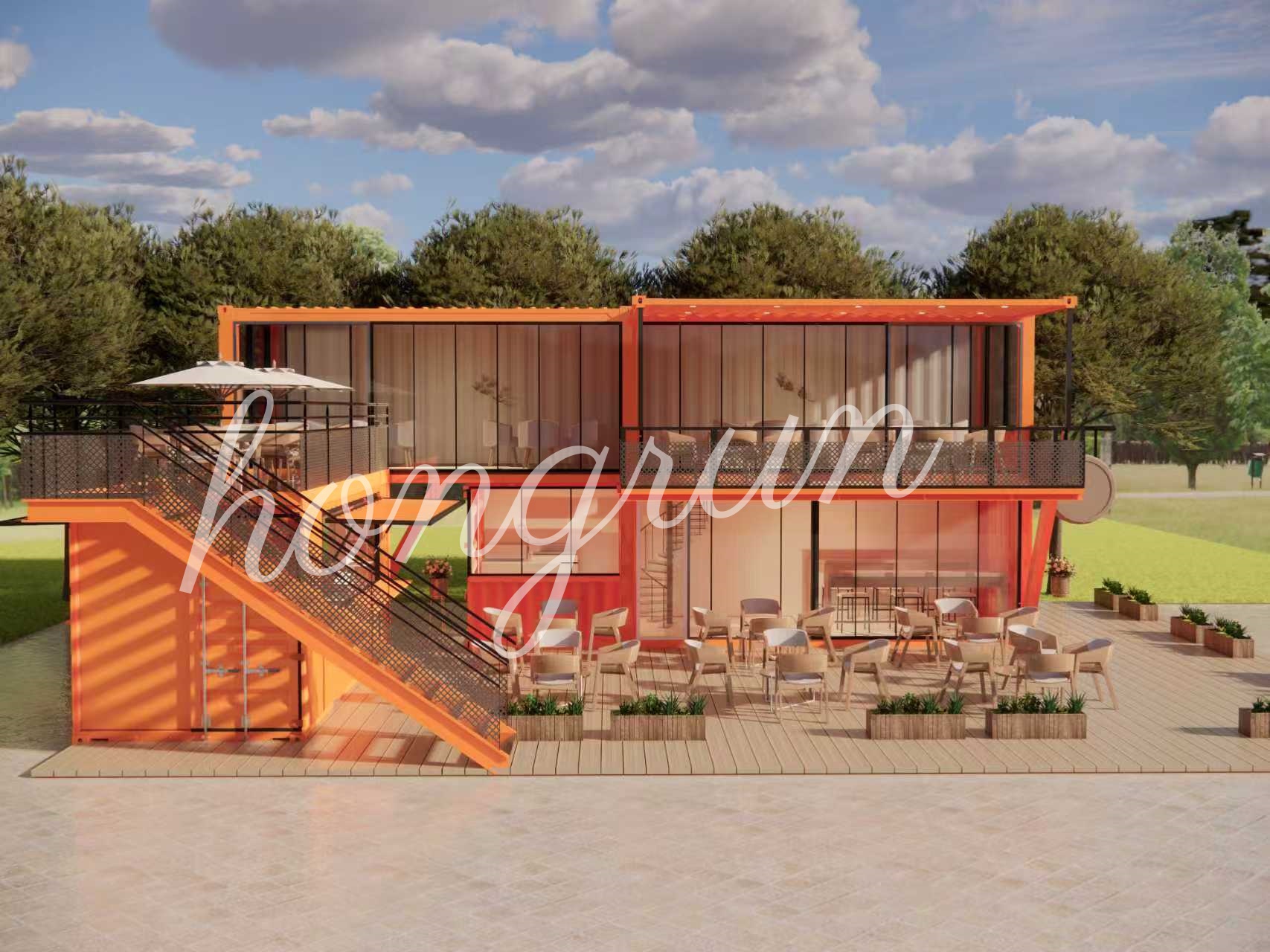
The Development Inspiration of Outdoor Container Cafes
The development of outdoor container cafes abroad has transcended simple commercial phenomena and become a cultural symbol, representing a new business ethic of innovation, environmental protection, and community-oriented leadership. The key to their success lies in: Precise brand positioning: Deeply integrating the container’s form with the coffee’s substance and brand philosophy. Balancing “low cost” with “high quality”: While construction costs may be low, the coffee quality, design, and user experience must remain high standards. For investors or entrepreneurs interested in entering this sector, essential market research, thorough communication with local government departments, innovative design, and a commitment to superior quality…
-
Expandable Container Houses Expand in Emerging Application Areas
Commercial application scenarios continue to expand, with demand for modular spaces growing steadily across the retail and cultural tourism sectors. Special environment applications, including those for living and working spaces in extreme environments like polar expeditions and desert operations, show significant potential. Emergency response system upgrades are driving the development of standardized, rapidly deployable solutions. Applications in emerging technology fields are also gradually expanding, providing mobile and expandable work and living spaces for specialized scientific research projects.
-
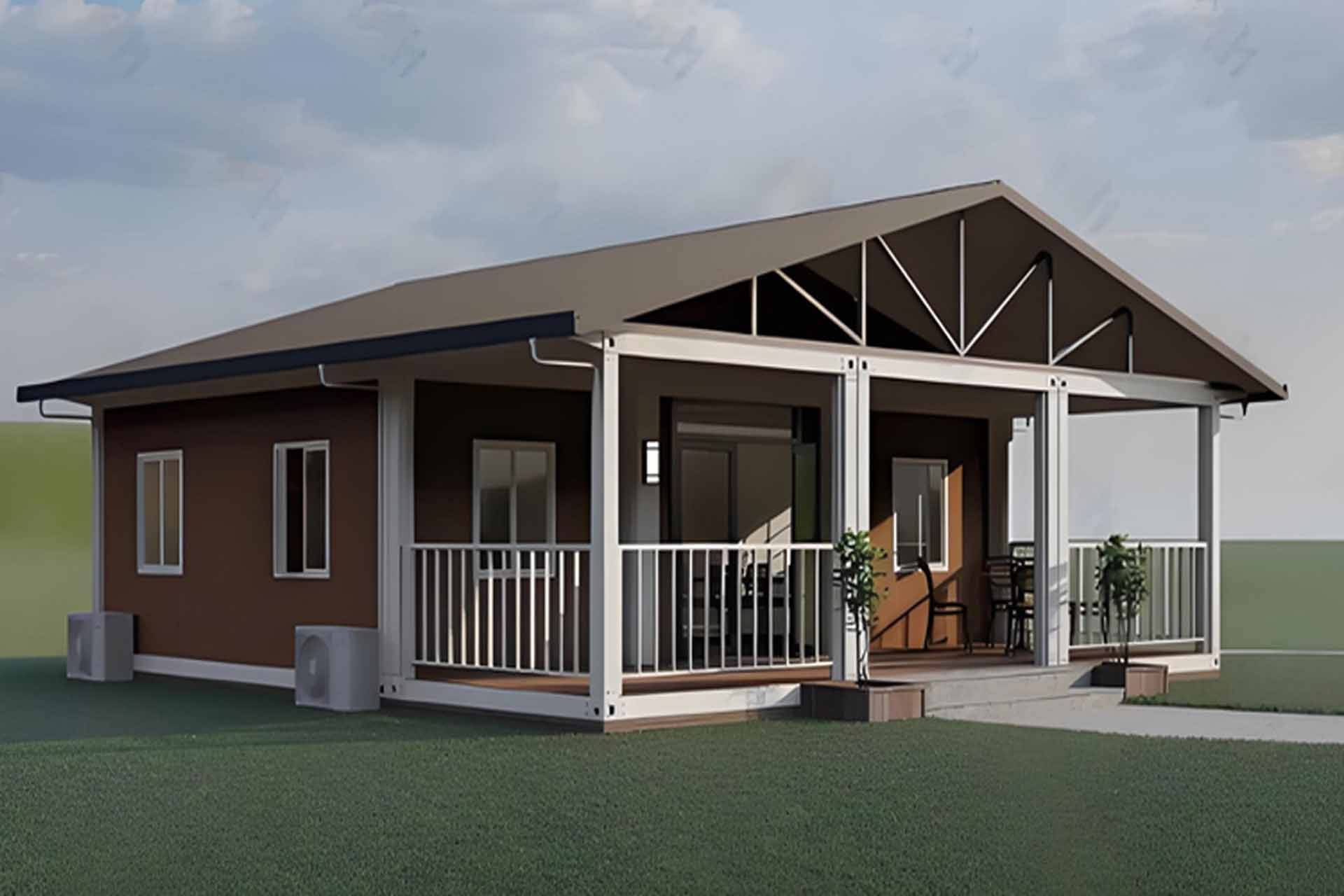
Global Market Demand and Regional Characteristics of Expandable Container Houses
Demand for green building-certified products continues to grow in Europe, and strict environmental regulations are driving the development of double-wing expansion containers toward higher energy efficiency standards. North America’s demand for emergency housing and specialized applications is providing stable growth momentum. Tourism infrastructure development and island development projects are creating new market opportunities in the Asia-Pacific region. The Middle East and Africa are experiencing a surge in demand for energy base construction and post-disaster reconstruction, creating specific market segments. Regional markets prioritize different product features: Europe focuses on environmental certifications, North America emphasizes rapid deployment capabilities, Asia-Pacific prioritizes multifunctional adaptability,…
-
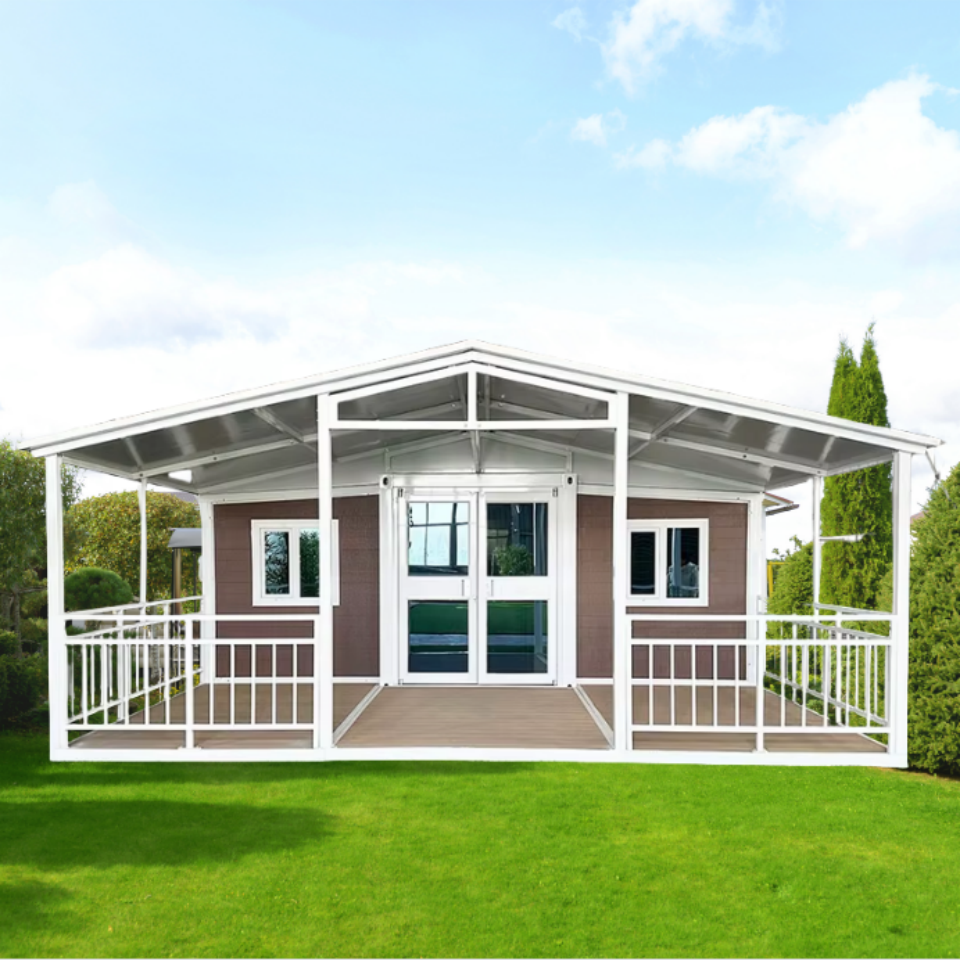
The Core Technological Advantages and Development Drivers of Expandable Container Houses
The double-wing expansion container features a unique expandable structural design, utilizing a hydraulic or mechanical folding system for efficient space utilization. During transport, its volume can be compressed by over 70%, significantly reducing logistics costs. When expanded, the usable area increases by over 75%, creating a fully functional living space. The use of lightweight materials reduces structural weight by over 30% while maintaining excellent load-bearing performance. In terms of environmental adaptability, advanced insulation and protective systems ensure stable performance in extreme temperatures, and its earthquake and wind resistance meet high international standards. The integration of low-carbon technologies further enhances its…
-
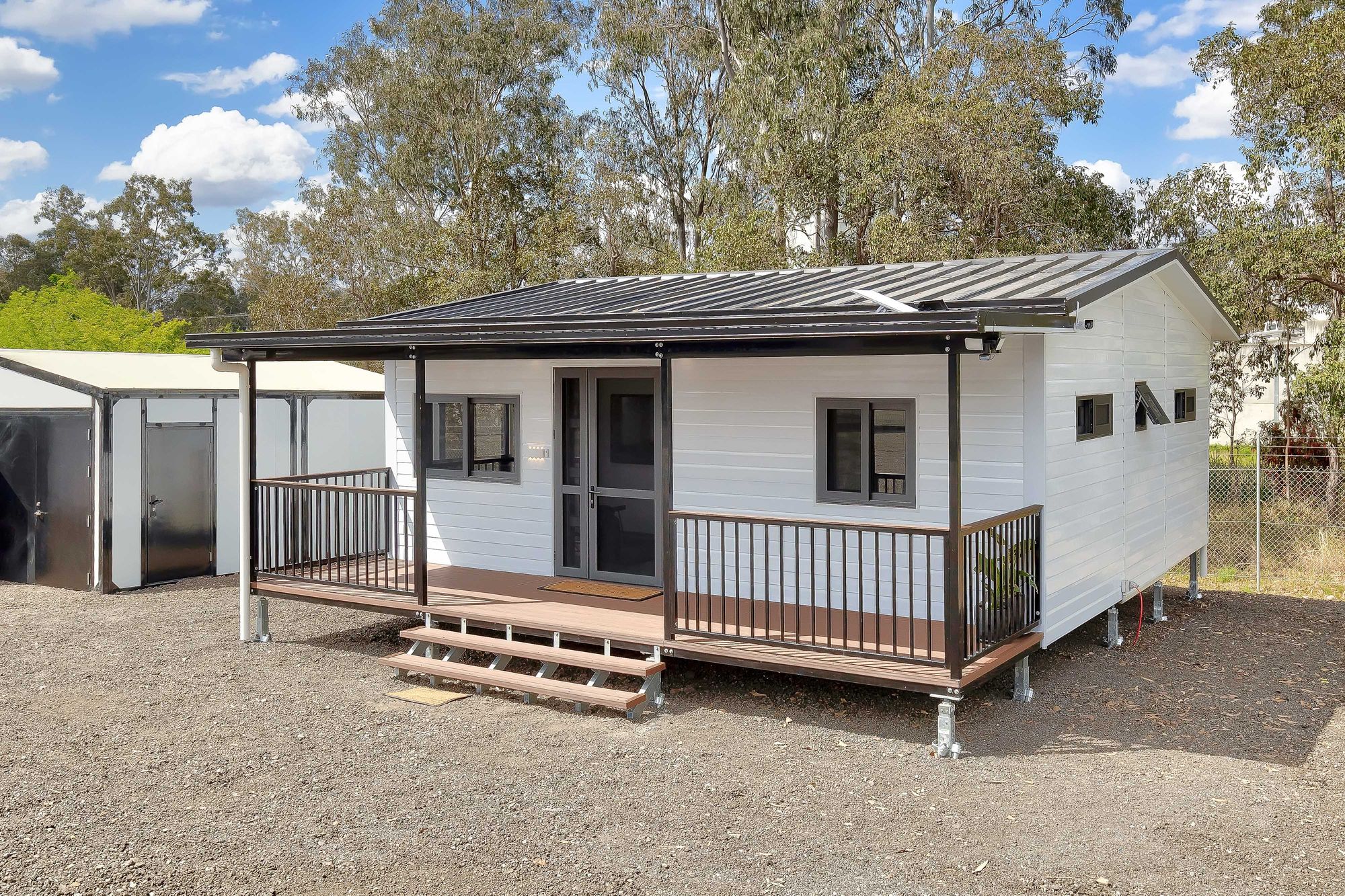
The Production Value of Scalable Container Houses
Expandable container homes are at a critical juncture in the US, their core value evolving from a “low-cost emergency solution” to a “sustainable building system solution.” To achieve scale, a three-pronged support system of “technology, policy, and finance” is necessary: Business: Leading manufacturers should take the lead in developing technical standards. The full industry chain model of the Farile Group and HyBrid’s off-grid technology are worth promoting. Government: States should accelerate the standardization of approval standards, incorporate container buildings into affordable housing programs, and replicate California’s tax credit policies. Financial: Develop specialized REITs and green credit to reduce financing costs.…
-
Double Wings Expands the Core Competitive Advantage of Containers
Revolutionary Transportation Efficiency: When folded, the container’s volume can be compressed by over 80%, significantly reducing shipping costs per container. It’s particularly suitable for long-distance, cross-border transport and project deployment in remote areas. Innovative Space Utilization: When unfolded, it offers double the usable space. Rapid Deployment: A single operator can quickly transition from folded to fully unfolded, making it irreplaceable in time-sensitive scenarios like emergency relief and camp construction.
-
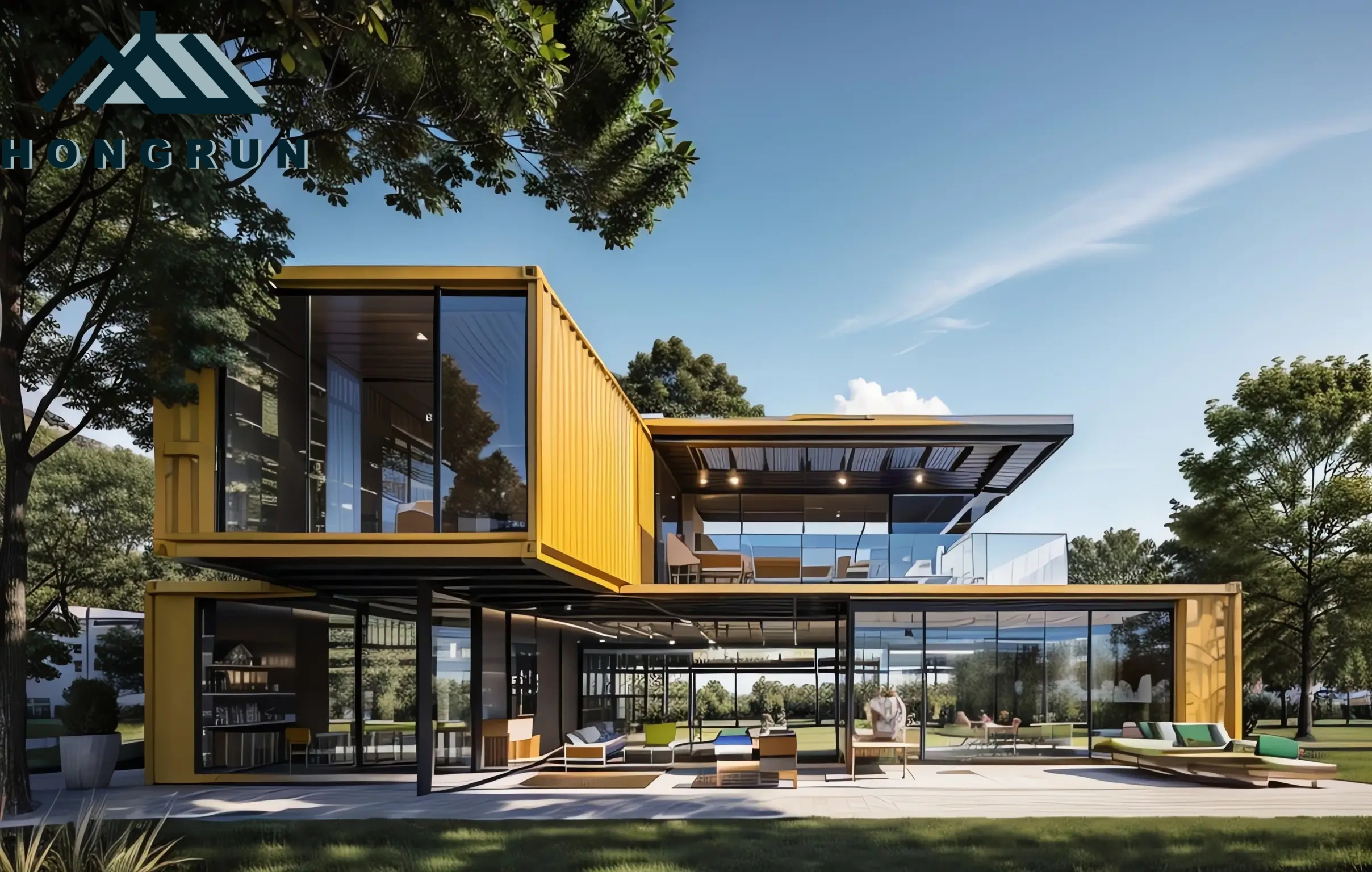
The Development Momentum of Outdoor Container Cafes
Flexibility, mobility, and low risk: Container cafes offer exceptional flexibility. They can be located in non-traditional commercial locations, such as vacant urban spaces, parking lots, park edges, and beaches. Their modular design facilitates relocation, expansion (by stacking multiple containers), and complete relocation, enabling rapid trial and error and adapting to market changes. Unique aesthetic and brand appeal: The industrial, rugged yet stylish exterior of shipping containers inherently creates a strong visual impact and social media presence. This unique aesthetic helps them stand out from traditional cafes and become a magnet for young consumers. Policies and community revitalization: To revitalize vacant…