

-
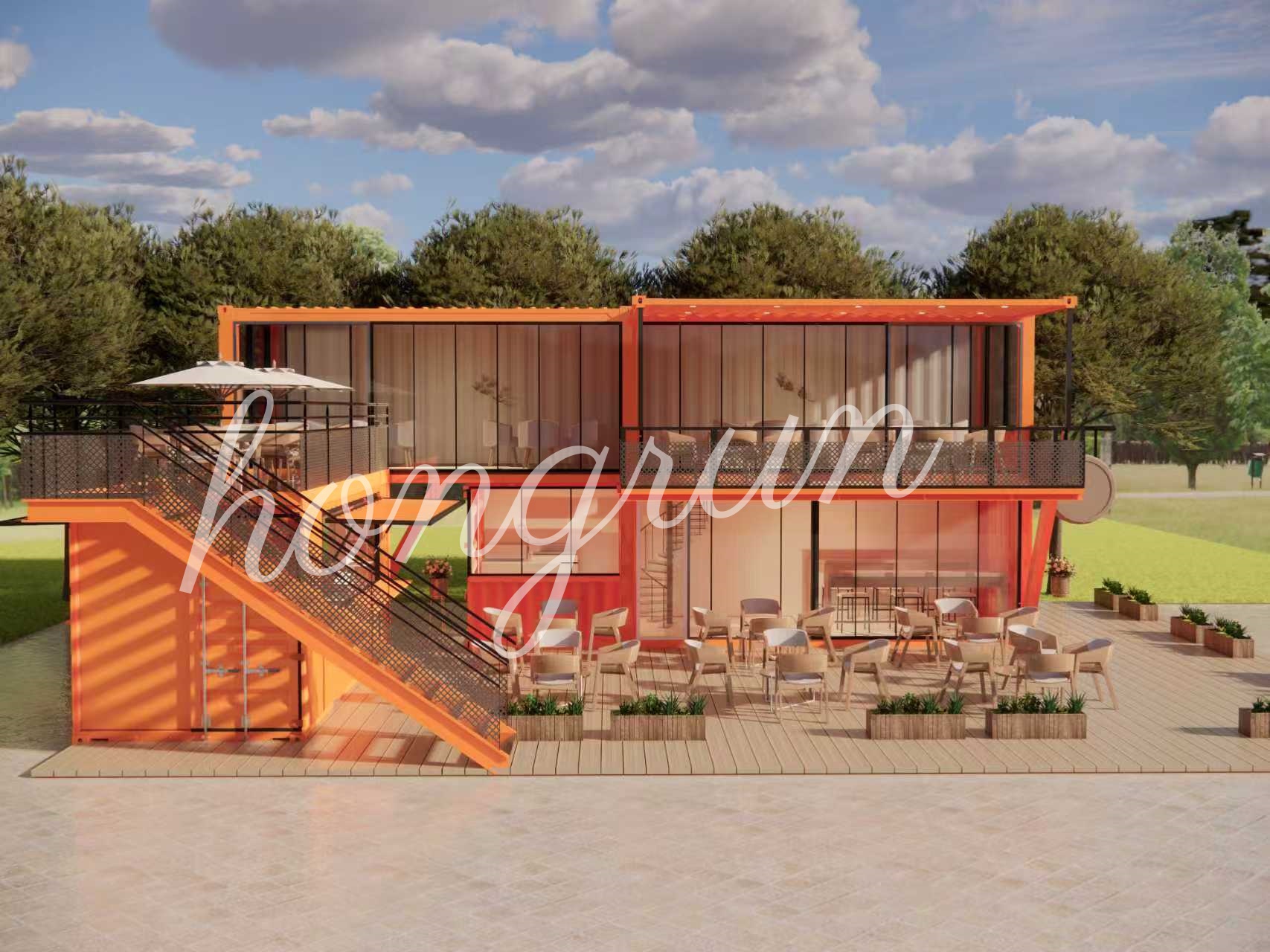
Core Development Factors of Outdoor Container Cafes
Sustainability and the circular economy: This is the core driving force. Repurposing discarded shipping containers significantly reduces construction waste and the consumption of new materials, aligning with global ESG (Environmental, Social, and Governance) investment principles and the environmental values of millennials and Generation Z. It itself is a green brand statement. Cost-effectiveness and low investment threshold: Compared to traditional brick-and-concrete cafes, container renovations are low-cost and quick to implement. Their modular nature also reduces design and construction complexity. This allows startup brands or independent baristas to enter the market with a relatively small investment.
-
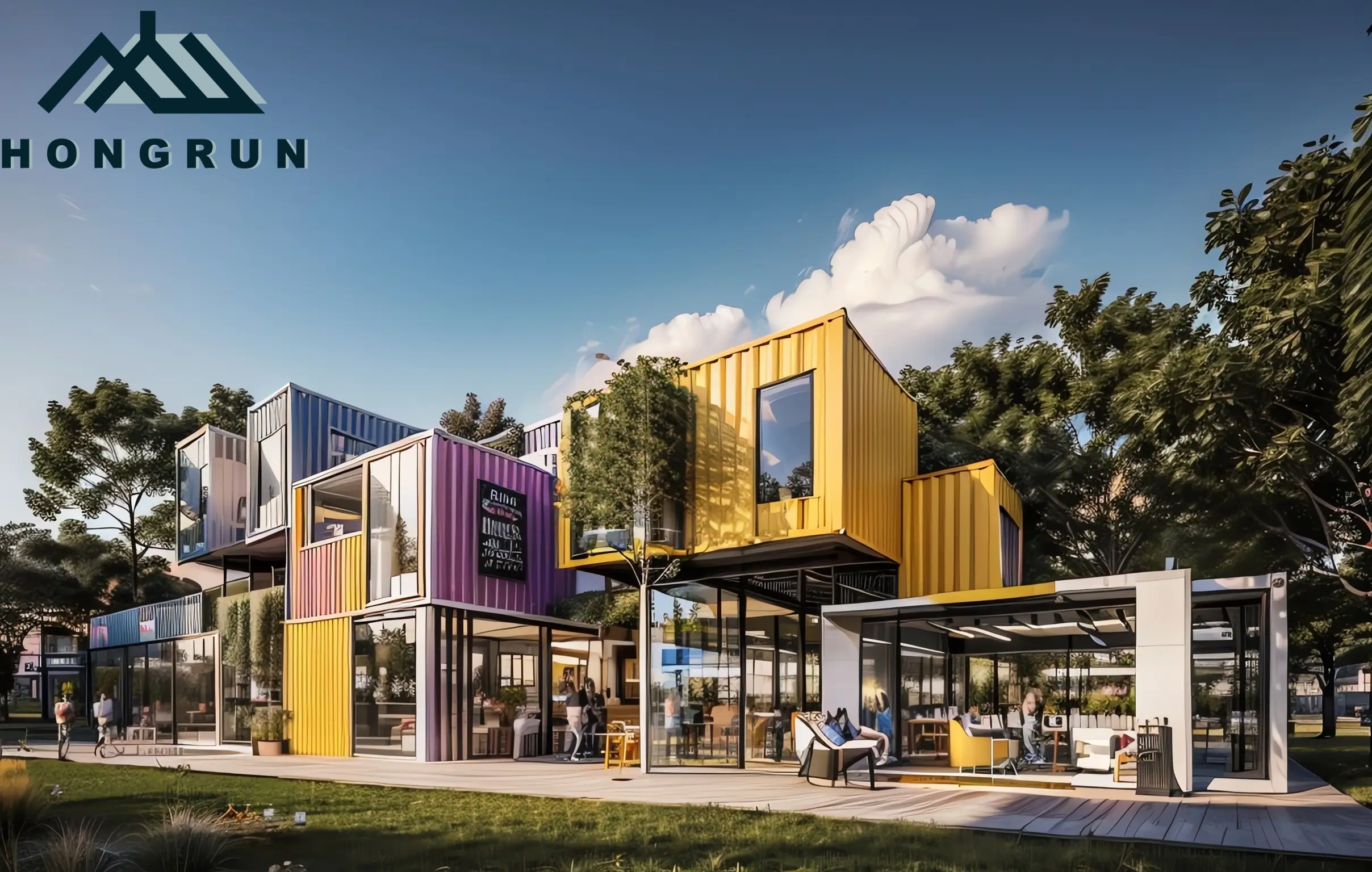
The Main Market for Outdoor Container Catering Abroad
European Market: Design and Sustainability Representative Cases: Boxpark (London, UK): The world’s first shipping container shopping mall, housing a diverse collection of independent restaurants and bars, seamlessly integrating retail and dining, is a model for urban renewal projects. Vita Mayer (Berlin, Germany): This riverside shipping container complex, featuring restaurants, bars, and event spaces, embodies Germany’s minimalist and functional design aesthetic. Model Characteristics: This model emphasizes building quality, environmental certifications (such as BREEAM), and integration into historic neighborhoods, resulting in a strong sense of design.
-
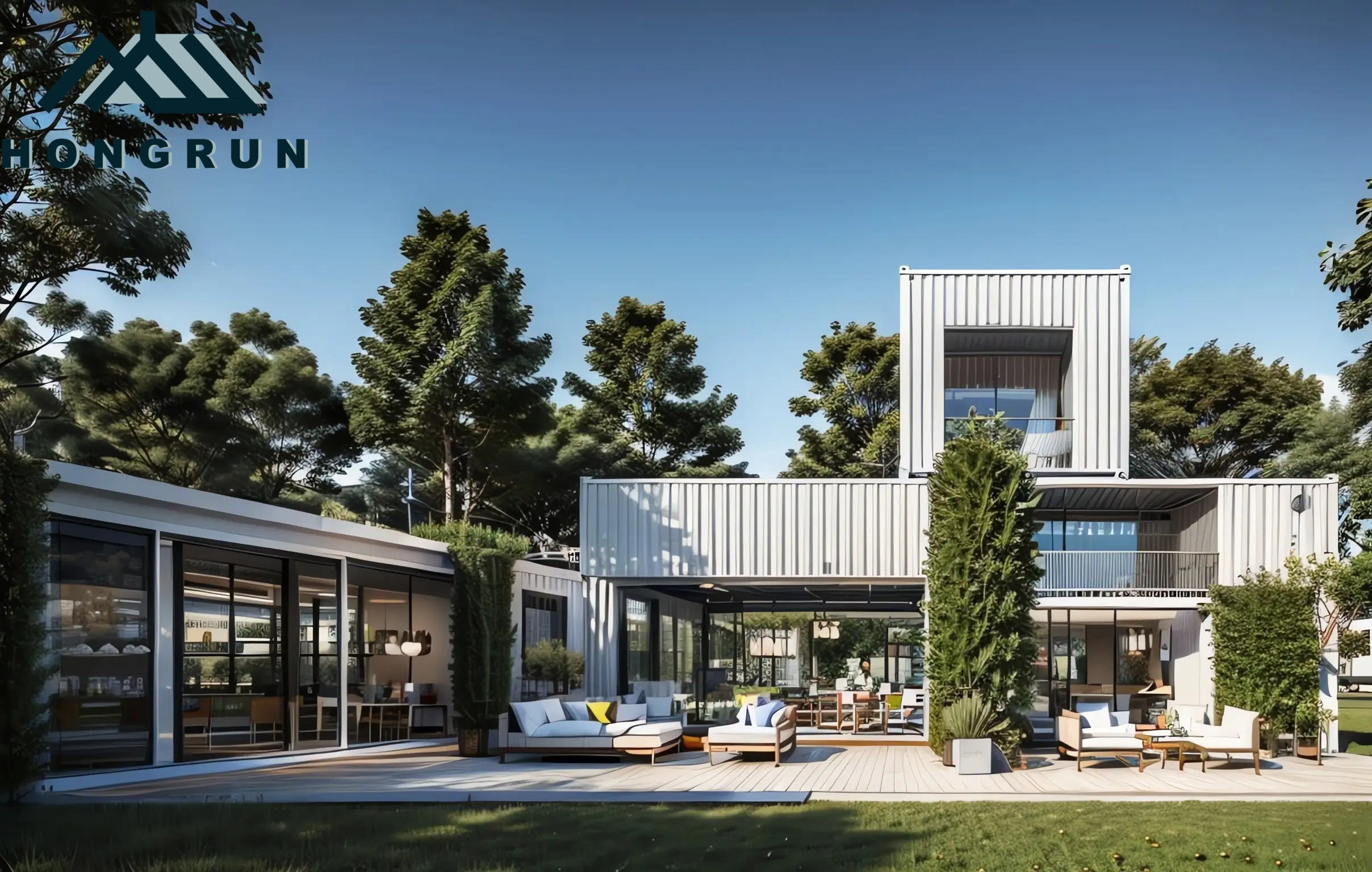
The Core Development Driver of Foreign Outdoor Container Restaurants and Cafes
The application of “container architecture” in the restaurant industry stems from the exploration of efficient utilization of unused urban space and sustainable building concepts. Through structural modification and creative design, standardized shipping containers are transformed into uniquely industrial, modern, and distinctive dining venues. Its core advantages lie in modularity, portability, low cost, and high efficiency. Cost-Effectiveness and Low Investment Threshold Low Initial Investment: Compared to traditional brick-concrete structures, the cost of converting shipping containers can be 30%-50% lower. This significantly reduces the barrier to entry and investment risk for entrepreneurs and small brands to open a store. Short Construction Period:…
-
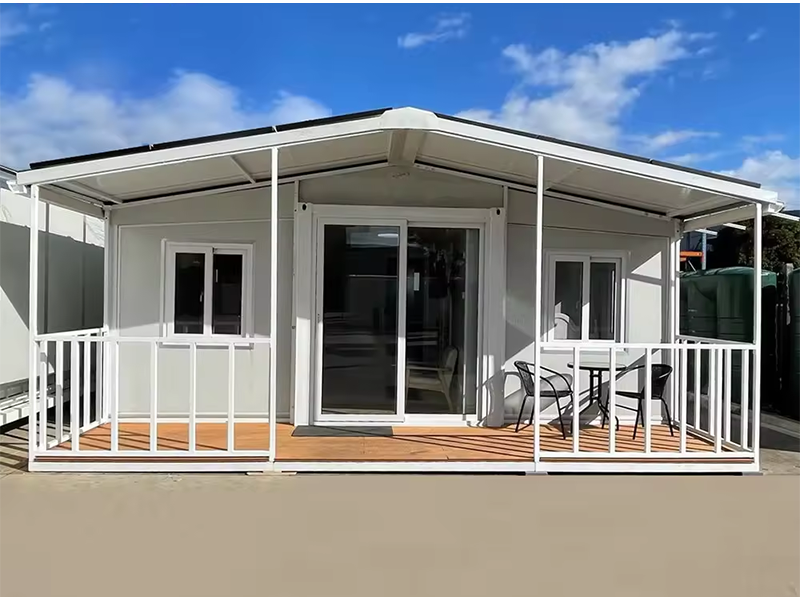
Driving Factors for The Development of Expandable Container Houses
Economic and Efficiency Advantages: Manageable Costs: Compared to traditional construction, modular construction can save up to 30-40% in construction costs and time. Factory-based production reduces weather delays and labor waste. Fast Construction: The basic structure is manufactured in parallel at the factory, requiring only assembly and connection on-site, reducing construction time by over 50%. Excellent Sustainability and Environmental Performance: A Model of a Circular Economy: Reusing retired shipping containers reduces steel production and construction waste, lowering the carbon footprint. Green Technology Integration: Easily integrate solar panels, rainwater collection systems, green roofs, and high-performance insulation to create low- or even zero-carbon…
-
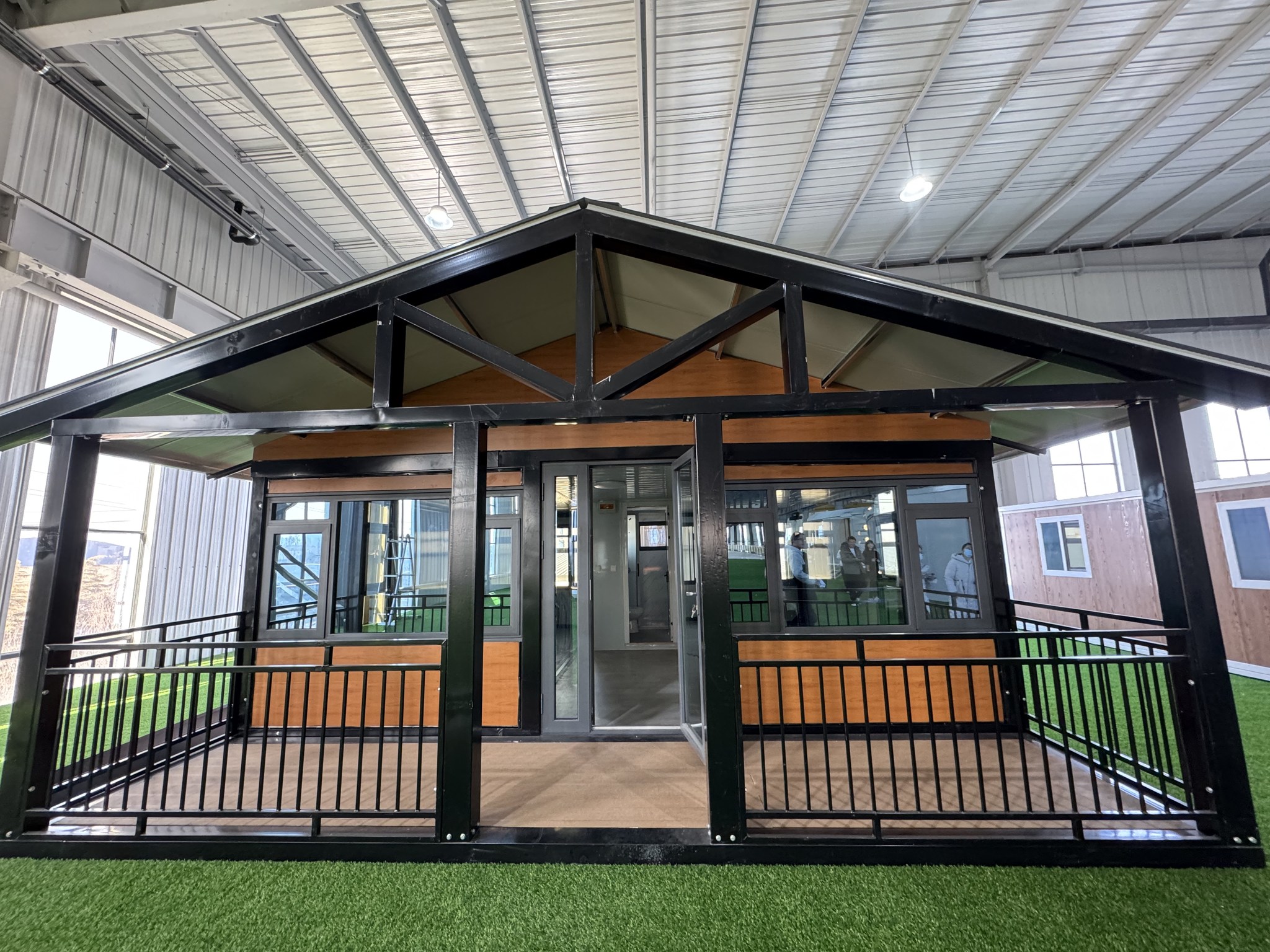
The Global Development Background of Expandable Container Houses
Expandable container housing refers to buildings constructed using standard shipping containers as basic modules through design and modification (such as cutting, splicing, and stacking), integrating living facilities such as insulation, plumbing, electricity, doors, and windows. Its core feature is its scalability, meaning the housing can be expanded or contracted horizontally or vertically to meet changing user needs (such as family growth or changes in functional needs). The background of global development stems from: Global trade imbalances: A large number of containers remain unused in consumer countries, providing cheap and abundant raw materials for recycling. Global challenges: Rapid urbanization, housing shortages,…
-
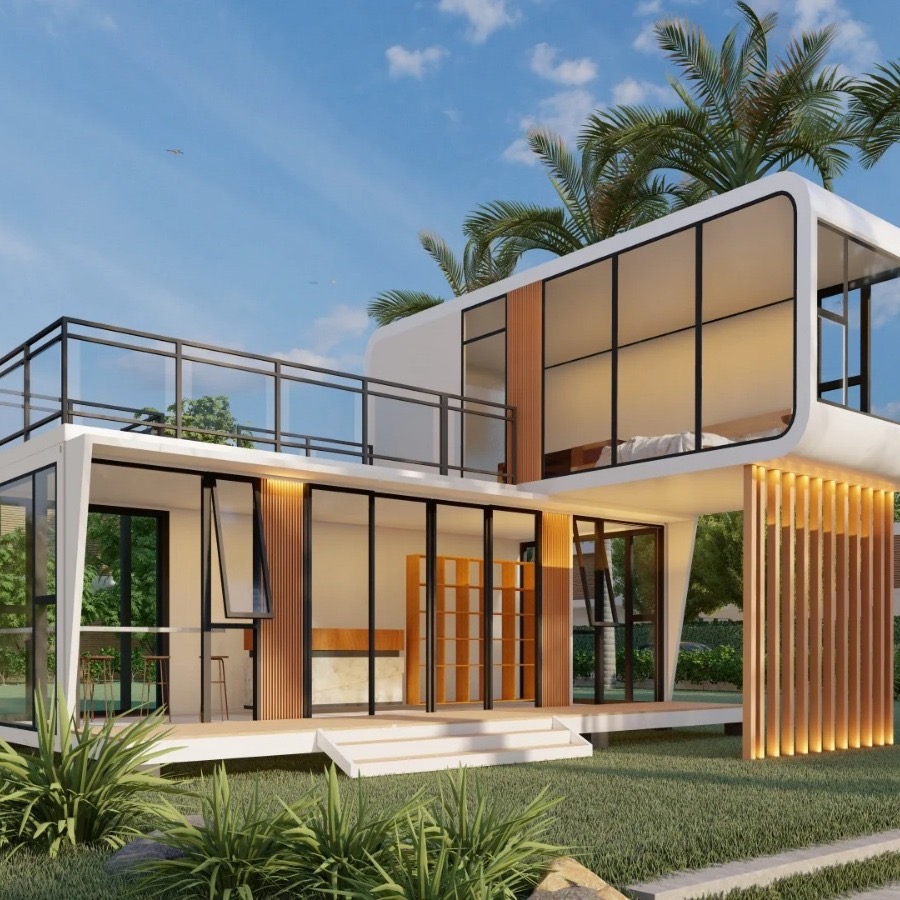
Strategic Analysis and Scale Forecast Report on Apple Cabin’s Global Development
Apple Cabin’s globalization journey has entered the fast lane, but it faces a complex balancing act between efficiency and compliance, and between standardization and localization. Its success no longer relies on a single product advantage, but rather on building a comprehensive system encompassing brand, technology, operations, and a collaborative ecosystem. The next five years will be a critical window for its transformation from a successful regional company to a global industry giant. By executing this strategy, Apple Cabin is poised to not only define the physical space of micro-accommodation but also redefine the travel lifestyle of younger generations worldwide, ultimately…
-
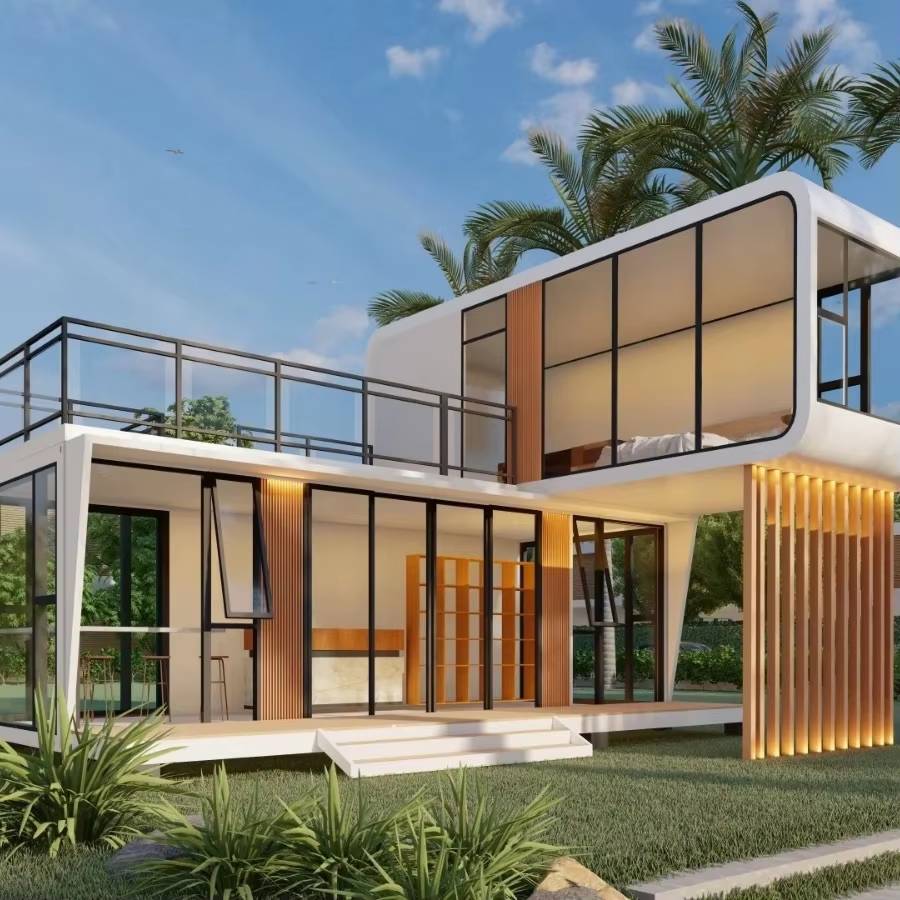
Market Development Analysis of Apple Cabin
Research shows that Apple Cabin, leveraging its differentiated “technology-enabled experience” model, has successfully expanded from a regional leader in Asia-Pacific to the European and American markets, but its global expansion remains in the mid-term expansion phase. The global micro-lodging market is driven by urbanization, the experience economy, and the rise of digital nomads, and is expected to maintain a compound annual growth rate (CAGR) of over 12.5% over the next five years. Apple Cabin’s core challenge lies in balancing global replication with local adaptation, particularly addressing stringent regulatory barriers in Europe and the United States. This report recommends a “two-pronged…
-
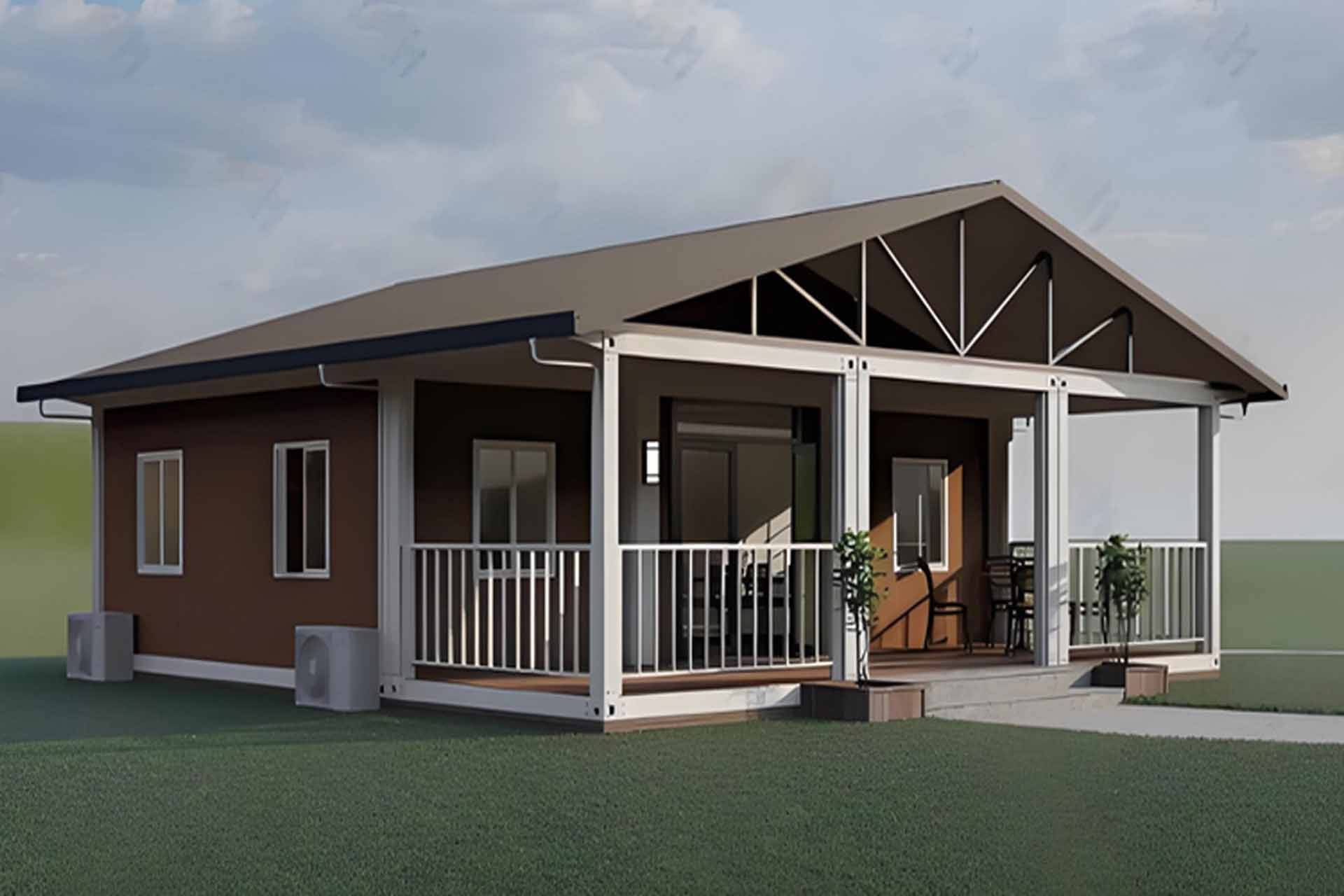
The Future Trend of Expandable Container Houses
The technological development of expandable container homes will evolve in the following directions: Intelligent and IoT Integration: More sensors, intelligent control systems, and automated functions will be integrated into container homes. Advanced Material Applications: New materials such as carbon fiber, graphene-reinforced composites, and self-healing materials may be introduced into container home manufacturing to reduce weight, improve strength, and increase durability. Phase change materials (PCMs) for temperature regulation and eco-friendly insulation materials will also become more widely used. Energy Self-Sufficiency and Carbon Neutrality: By integrating solar panels, small wind turbines, and energy storage systems, future container homes may become energy self-sufficient…
-

Market Drivers and Challenges of Expandable Container Homes
Sustainable Development Demand: The global emphasis on environmentally friendly construction and resource recycling has driven the development of expandable container homes. Compared to traditional construction, container buildings reduce the consumption of resources such as cement and sand and gravel, lowering carbon emissions. Repurposing old containers also reduces resource waste. Cost and Efficiency Advantages: Modular construction allows containers to be prefabricated in factories and assembled on-site, significantly shortening construction time (typically within 1-3 months). Low material costs and the affordability of used containers make renovations far less expensive than traditional construction. Short construction cycles significantly reduce labor costs. Technological Advances and…
-

Expandable Container House Regional Analysis and Industry Report
The global expandable container housing market is experiencing steady growth. According to QYResearch, global market sales reached US$787 million in 2024 and are projected to reach US$1.05 billion by 2031, with a compound annual growth rate (CAGR) of 4.2%. As a key component of the global market, the Chinese market has experienced rapid growth over the past few years, accounting for approximately 50% of the global market in 2024, and its global share is expected to further expand by 2031. This growth is driven by a variety of factors, including accelerated urbanization, growing housing demand, innovative construction technologies, and a…