

-
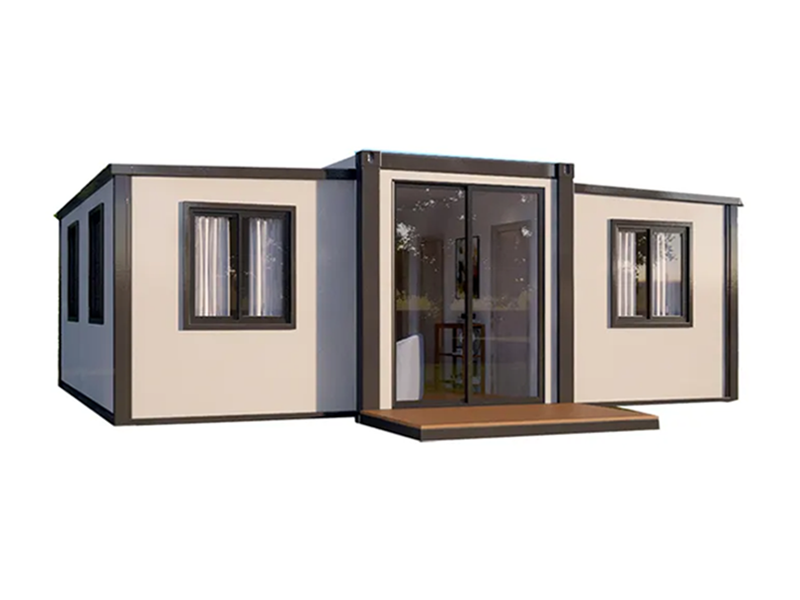
The Global Development Prospects of Expandable Container Houses
Expandable container houses are modular buildings built with reused containers. They have a flexible structure and can be expanded horizontally or vertically to increase living space as needed. Global market sales reached US$787 million in 2024 and are expected to grow to US$1.05 billion by 2031, with a compound annual growth rate of 4.2%. This form of building combines the dual advantages of compact transportation and customizable space, making it an ideal choice for affordable housing, temporary residences, holiday cabins, and remote office spaces. It also complies with the global trend of green building and sustainable development. This report provides…
-

Global Development Assessment Report of Container Houses
Technological innovation in the container housing industry is primarily focused on modular construction technology. Modern container housing has evolved from simple container modifications to highly engineered modular building systems with the following technical features: Standardized design: Utilizing unified interfaces and connection standards, container modules of varying sizes can be quickly assembled and disassembled. This standardized design not only improves construction efficiency but also reduces manufacturing costs and maintenance. Flexible scalability: New expandable container homes utilize a core container frame with built-in sliding or folding panels, allowing for horizontal or vertical expansion of the interior space during on-site deployment. This design…
-

Development Evaluation of Container Houses
Container homes, an innovative architectural form, are living or working spaces constructed from shipping containers through modified and modular designs. This architectural style originated in the 1990s, initially used primarily for temporary structures or emergency housing needs. However, with technological advancements and design innovations, it has gradually evolved into a permanent building solution. Container homes have evolved from simple single-box units to complex modular systems, allowing the combination of multiple container units to create spaces of varying sizes and styles. From the perspective of global development drivers, multiple forces are driving the expansion of the container home market: Urbanization and…
-
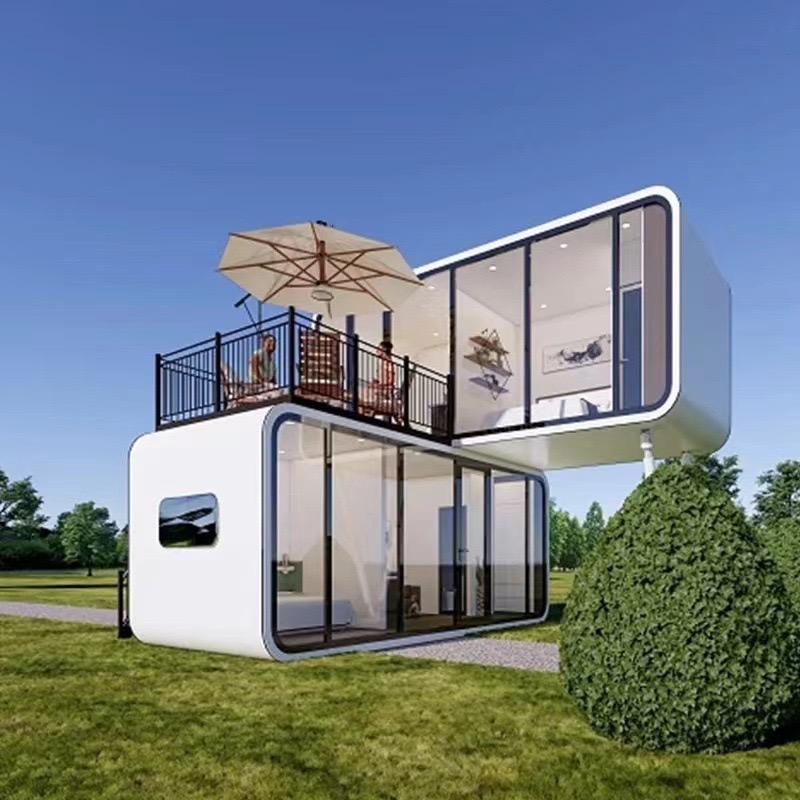
Apple Cabin Global Development Assessment Report
Industry Overview and Market Background The Apple Cabin, named for its resemblance to an iPhone, is an innovative modular building, a key branch of prefabricated construction. This product utilizes standardized design and factory-based production. All functional components required for the cabin (such as walls, roof, doors and windows, electrical components, and plumbing) are prefabricated in the factory and then transported to the site for rapid installation. Key features of the Apple Cabin include a durable steel frame, a welded galvanized steel exterior that provides excellent rust and corrosion resistance, and extensive glass for excellent daylight and views. Apple Cabins are…
-

Apple Cabin Global Development Report
Apple pods, an innovative modular building solution, are rapidly expanding globally due to their unique design and wide range of applications. This report comprehensively assesses the global development status, market dynamics, regional distribution, drivers, and future trends of the apple pod industry. The research found that global apple pod market sales reached 780 million yuan in 2023 and are expected to grow to 1.39 billion yuan by 2030, with a compound annual growth rate (CAGR) of 8.3%. This growth is primarily driven by the expansion of the global tourism and holiday industry, demand for innovative commercial retail spaces, and accelerated…
-
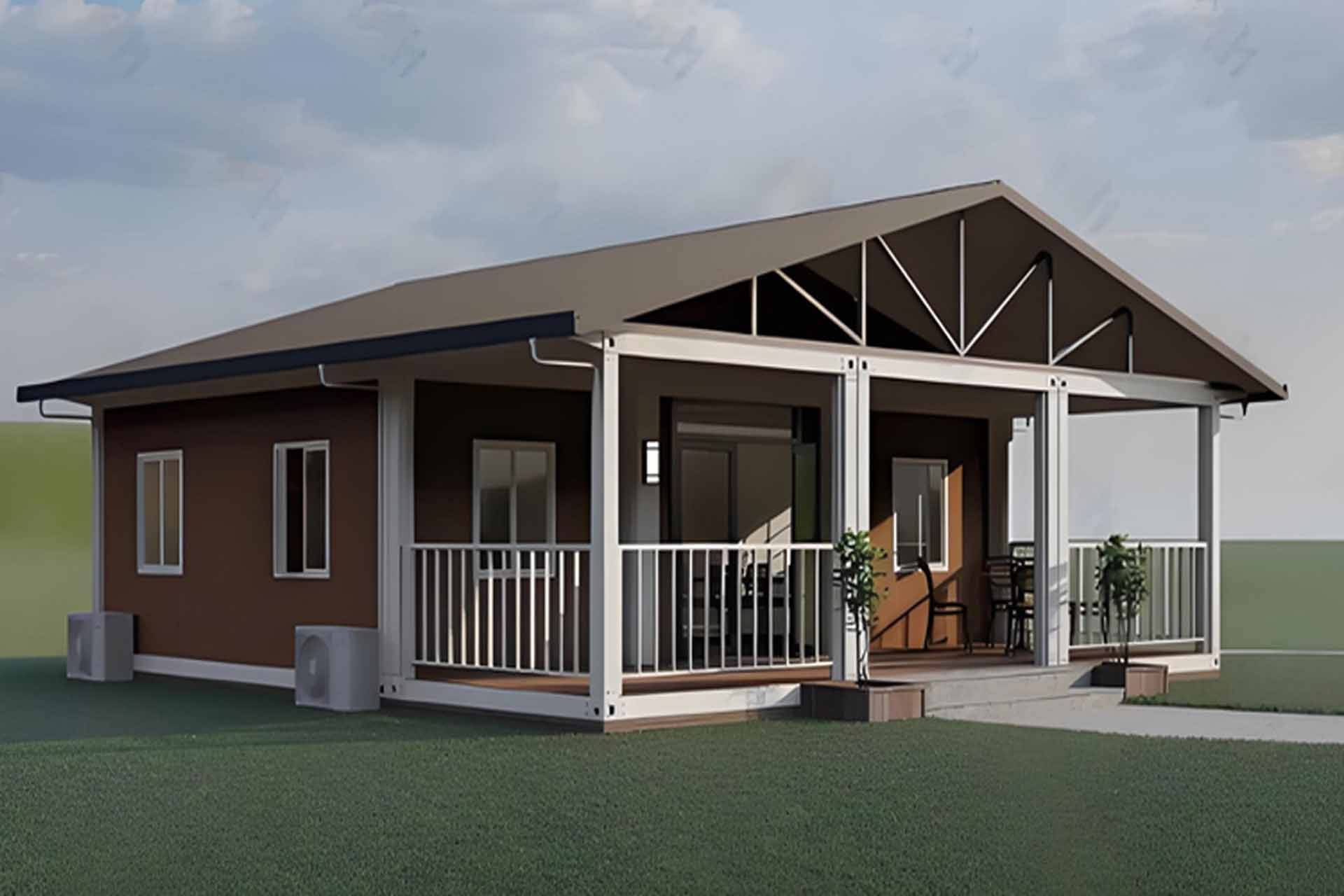
Future Development Challenges of Expandable Container Houses
Expandable container homes have evolved from a temporary alternative to a disruptive force reshaping the living paradigm. Their success lies in simultaneously achieving the impossible trinity: environmental friendliness (75% carbon reduction over the entire lifecycle), affordability (60%-70% cost reduction), and accessibility (over 50% reduction in construction time). With global patent innovation expected to enter a period of rapid growth in 2025 and the rise of emerging markets such as Saudi Arabia, the industry will usher in a golden window of development. Future competitive advantage will depend on the depth of technological integration and ecosystem synergy: on the one hand, product…
-

Global Development Status of Expandable Container Houses
Expandable container homes, as a revolutionary form of architecture, are rapidly emerging around the world. These homes use standardized containers as their basic modules, and utilize built-in sliding or folding panels to expand the space horizontally or vertically, perfectly balancing the dual demands of transport convenience and spatial flexibility. According to the latest data from QYResearch, global market sales reached US$787 million in 2024 and are expected to exceed US$1.05 billion by 2031, with a stable compound annual growth rate (CAGR) of 4.2% (2025-2031). As the core of the global industrial chain, the Chinese market not only contributes an annual…
-
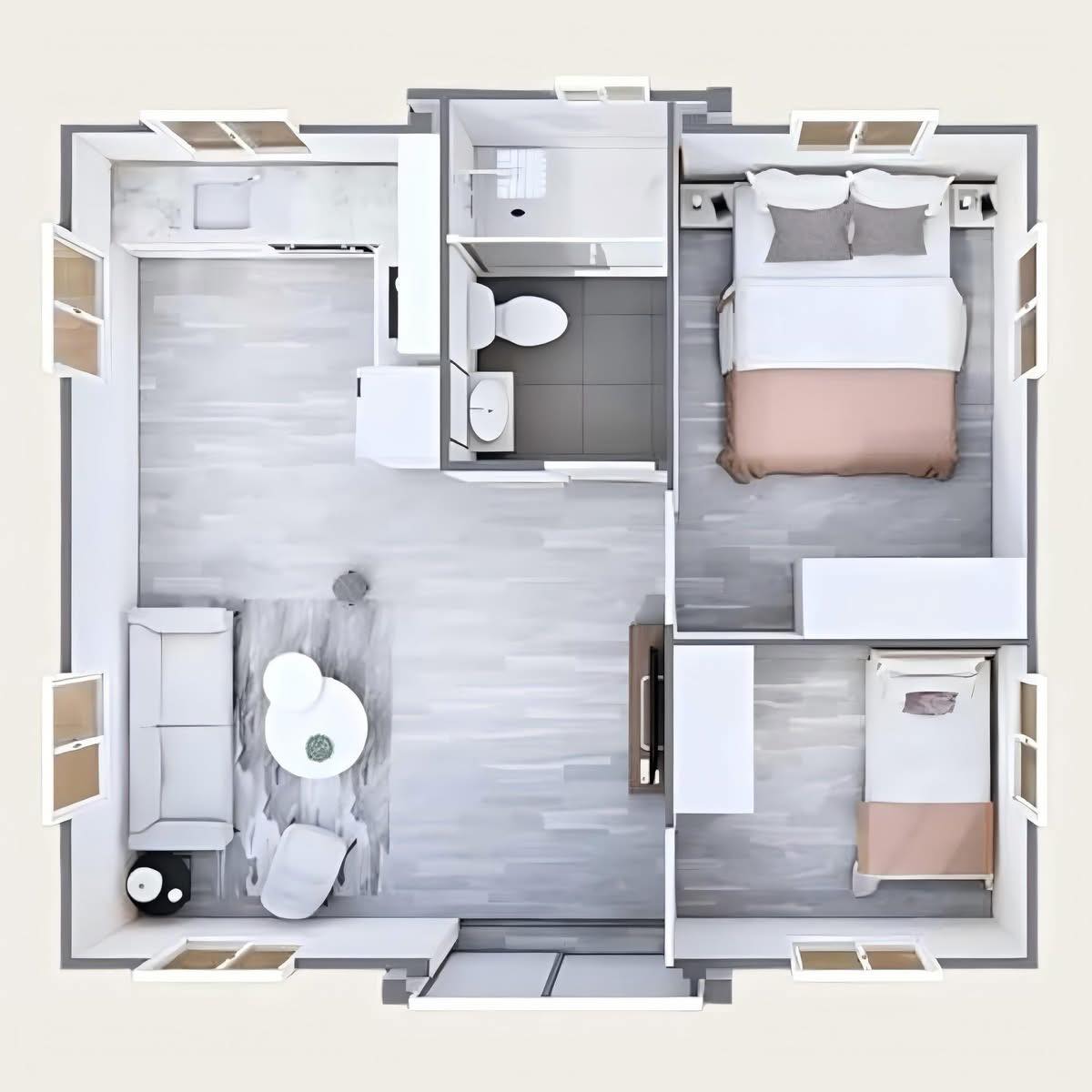
Report on the Development of Expandable Container Houses in the United States
Expandable container houses have broken through the early simple shelter form. Through the integration of material science, structural engineering and intelligent technology, they have achieved a dual upgrade in functionality and aesthetics, laying a technical foundation for market application. The application of expandable container houses in the US market has expanded from emergency shelters to high-end residences, commercial spaces and public facilities, forming a diversified value network. Expandable container homes are at a critical juncture in industrialization in the United States, with their core value evolving from a “low-cost emergency solution” to a “sustainable building system solution.” To achieve this…
-
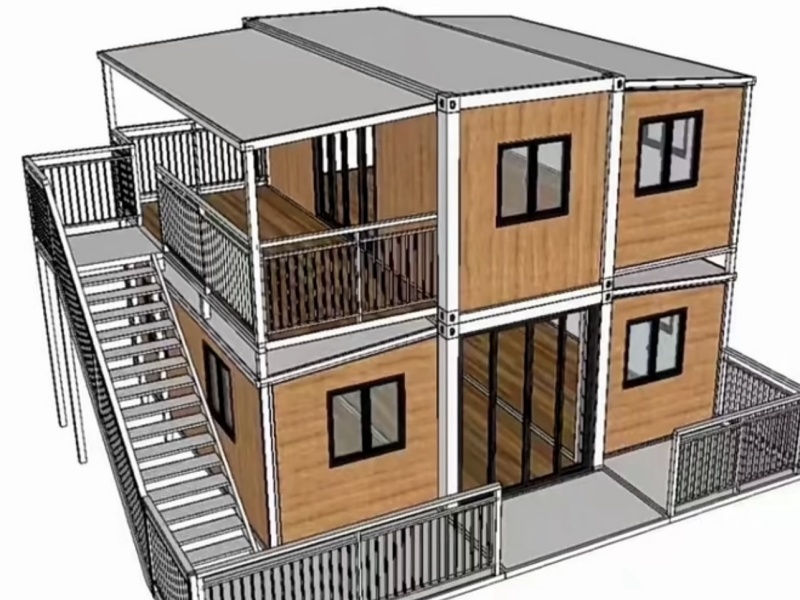
Market Trends and Growth Drivers of Expandable Container Homes in the United States
Expandable container homes are evolving from a marginal innovation to a mainstream solution in the US real estate market, driven by multiple structural factors. According to industry data, the global expandable container home market is projected to reach $1.23 billion by 2025, with a compound annual growth rate (CAGR) of 14.5%, far exceeding the growth rate of the traditional construction market. As the world’s second-largest modular construction market, container homes have expanded from temporary structures to permanent residences and commercial spaces, forming a multi-layered industry ecosystem. Addressing the housing shortage crisis: The United States faces a housing shortage of over…
-

Global market size and growth trend of Apple Cabin
As a representative product of modular buildings, Apple Cabin has seen significant growth in demand in the international market in recent years. Its core advantages lie in factory production, rapid deployment, unique design and environmental protection. Overall scale The global mobile apple pod market reached US$115 million in 2023 and is projected to reach US$204 million by 2030, with a compound annual growth rate (CAGR) of 8.3%. Based on sales volume, the global market is projected to reach 1.49 billion yuan in 2031. Regional Growth Differences Europe: Leading the way (CAGR 6.1%), driven by tourism upgrades and refugee resettlement, with…