
-
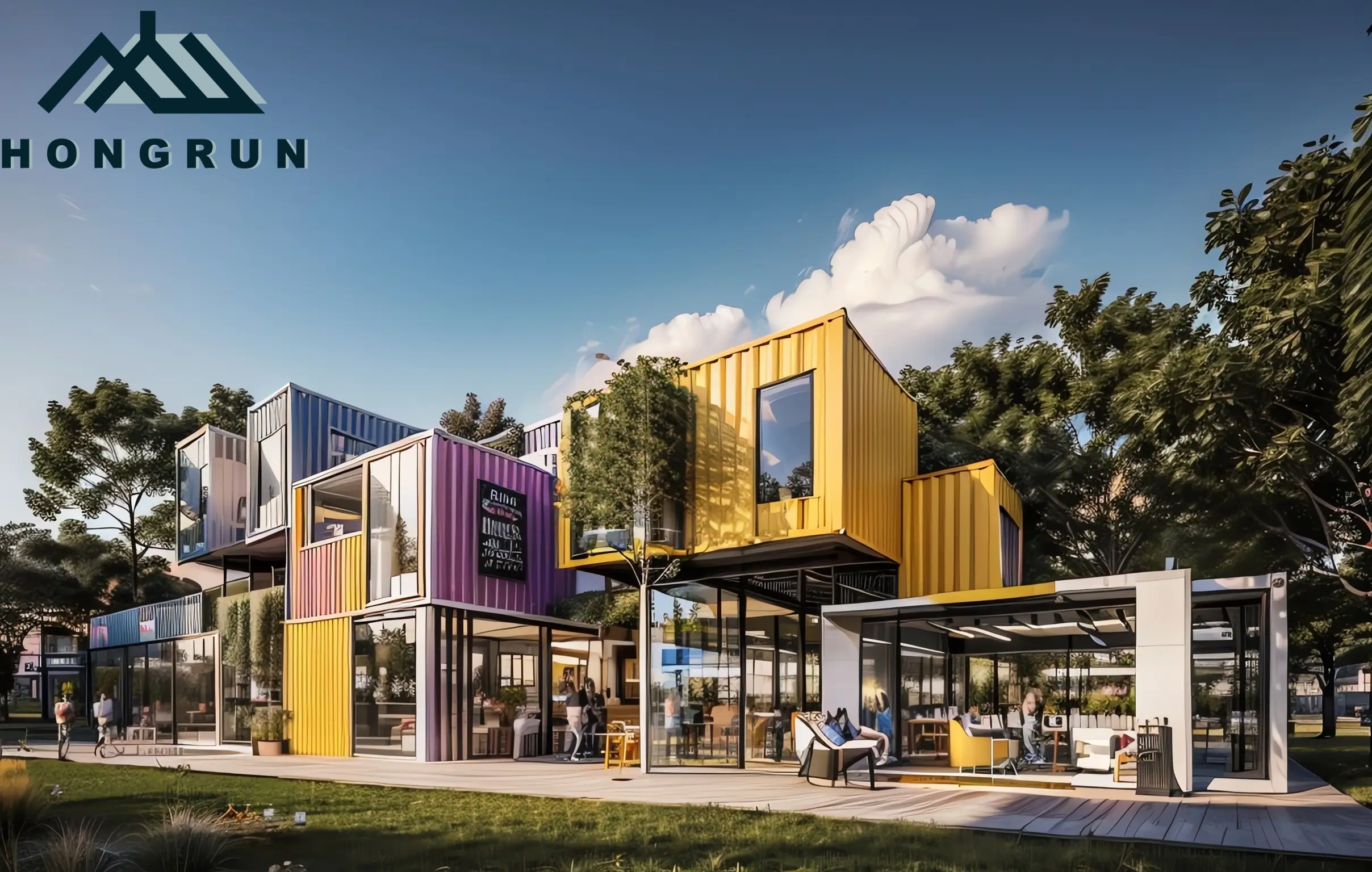
Global Market Pattern And Development Trend Of Container Houses
The global modular building market (including container homes) is expected to reach $173.5 billion in 2025 and exceed $302 billion in 2035, with a compound annual growth rate of 5.7%. The expandable container home market will generate sales of $787 million in 2024 and is expected to reach $1.05 billion in 2031 (annual growth rate of 4.2%). Rapid deployment needs: Post-disaster reconstruction, temporary medical facilities (such as epidemic shelters), mining camps and other scenarios rely on the 70% shortened construction period advantage of container houses. Sustainable development: Reusing discarded shipping containers to reduce building material waste aligns with global circular…
-
Container House Customization Development Report: Design Innovation, Application Scenarios and Market Prospects
The customized development of container homes has led to a continuous expansion of their application scenarios, extending from basic temporary housing to high-end commercial, public service, and specialized industrial sectors. Different scenarios present differentiated requirements for functional configuration, spatial layout, and performance indicators, driving continuous innovation in customized solutions. The conflict between cost control and technological upgrades: High-end customization faces the risk of “over-design.” For example, photovoltaic roof systems can increase costs by 35%, limiting market acceptance. At the same time, optimizing basic functionality requires continued investment: electrical wiring must meet a flame retardant standard of at least B1, and…
-
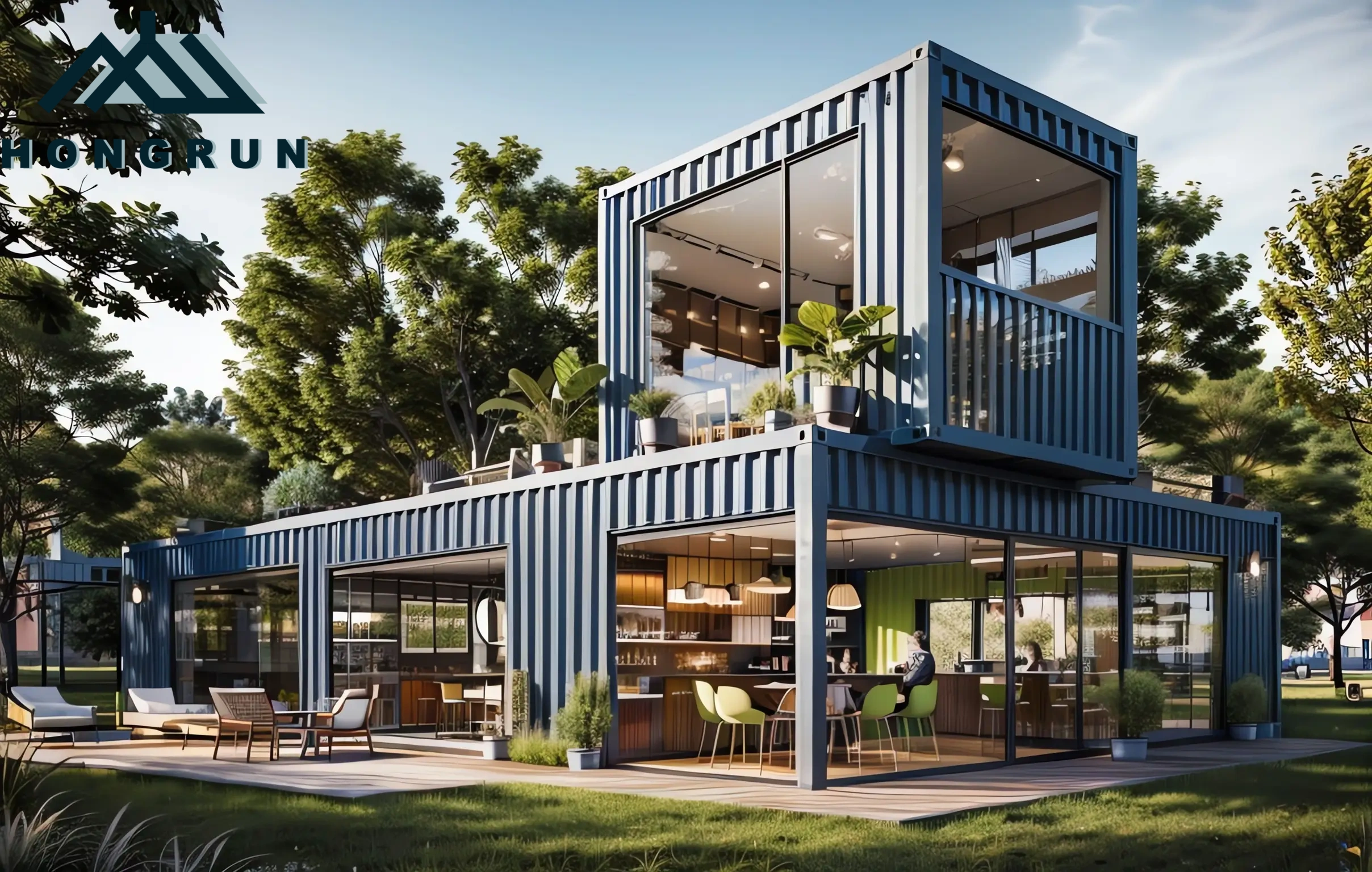
Design Dimensions And Technical Implementation Of Customized Container Houses
Customization of container homes has evolved from simple spatial modifications to a systematic project integrating cutting-edge technology and personalized design. In the current market, customization is primarily reflected in four core dimensions: material selection, spatial configuration, functional integration, and aesthetic design, all underpinned by the powerful support of modular technology and intelligent systems. Multi-dimensional customization options Material customization: The choice of basic materials for container houses directly determines their durability, environmental friendliness, and comfort. High-end customized projects generally use hot-dip galvanized steel plates as the main structural material, combined with vacuum laminated glass and composite insulation walls, which can achieve…
-

Research Report On The Future Development Trend Of Expandable Container Houses
The rapid rise of expandable container homes stems from their multiple core advantages. These advantages not only address the pain points of traditional construction models but also align closely with contemporary society’s sustainable development goals. Environmental Protection and Sustainability: Compared to traditional buildings, expandable container homes primarily utilize retired shipping containers as their base material, giving discarded industrial products a second life. Reusing one standard-sized second-hand container reduces carbon emissions from the remanufacturing of steel by approximately 3.5 tons, significantly lowering the building’s carbon footprint. During construction, the factory prefabrication rate can reach over 85%, reducing on-site construction by…
-
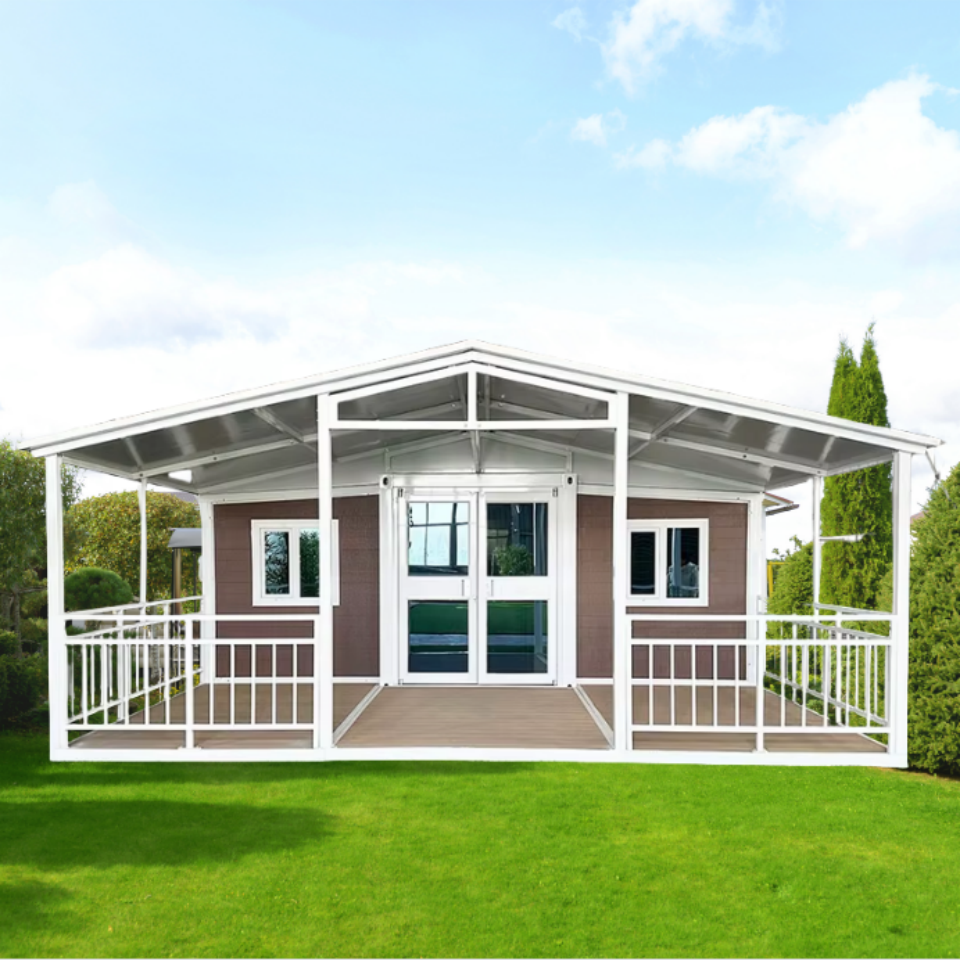
The Issuance Trend Of Expandable Container Houses
Expandable container homes utilize standard container modules as their basic unit, utilizing innovative structural design to enable flexible expansion, stacking, and reconfiguration. This type of building transcends the fixed spatial limitations of traditional containers, combining modular construction methods with flexible expansion capabilities, creating a practical and innovative solution for modern construction. Key features include liftability, mobility, foldability, and modularity, enabling dynamic spatial adjustments based on usage needs. Against the backdrop of accelerating global urbanization and the deepening concept of sustainable development, expandable container homes present unprecedented development opportunities. The continued growth of urban populations has led to a surge in…
-
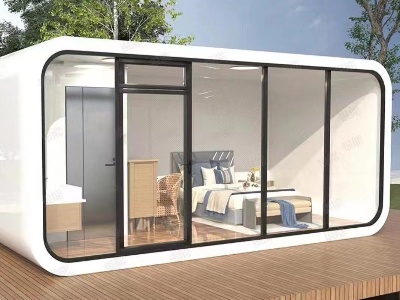
Apple Hut Global Development Report: Innovation and Market Trends in Modular Buildings
Modular Construction: The Rapid Growth of Mobile Apple Pods The modular apple pod market is experiencing explosive growth. According to QYResearch, global sales are projected to reach US$1.49 billion in 2031, with a compound annual growth rate of 8.3% from 2025 to 2031. Its development characteristics are as follows: Diversified application scenarios: From tourist vacation homes (campsites, scenic area amenities), commercial facilities (pop-up stores, coffee kiosks) to public services (epidemic prevention stations, emergency housing); Regional market differentiation: North America holds a technological lead, Europe leads the growth rate (the average number of devices per household increased from 15.4 to 17.4…
-
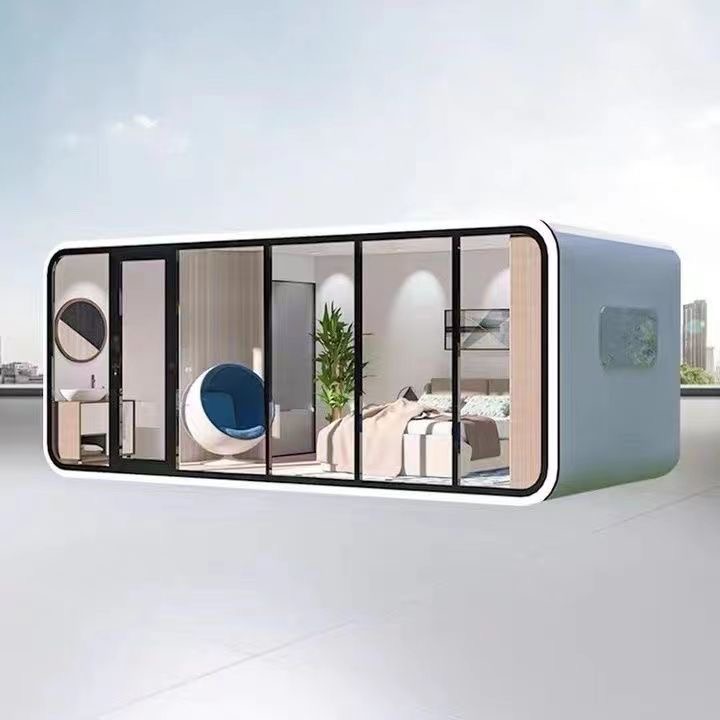
Apple Hut Global Development Report and Market Trends
The concept and scope of Apple House The “Apple Cabin” concept has a dual meaning and development trajectory in the international market: on the one hand, it refers to Apple Inc.’s eco-friendly residential solutions centered around the HomeKit smart home platform; on the other, it encompasses modular mobile building units (commonly known as “Mobile Apple Cabins”) inspired by Apple’s design aesthetic and resembling Apple products. While these two product categories have distinct positioning, they share common concepts in intelligence, modularity, and user experience, driving a wave of innovation in residential and commercial spaces worldwide. The modular Mobile Apple Pods embody…
-
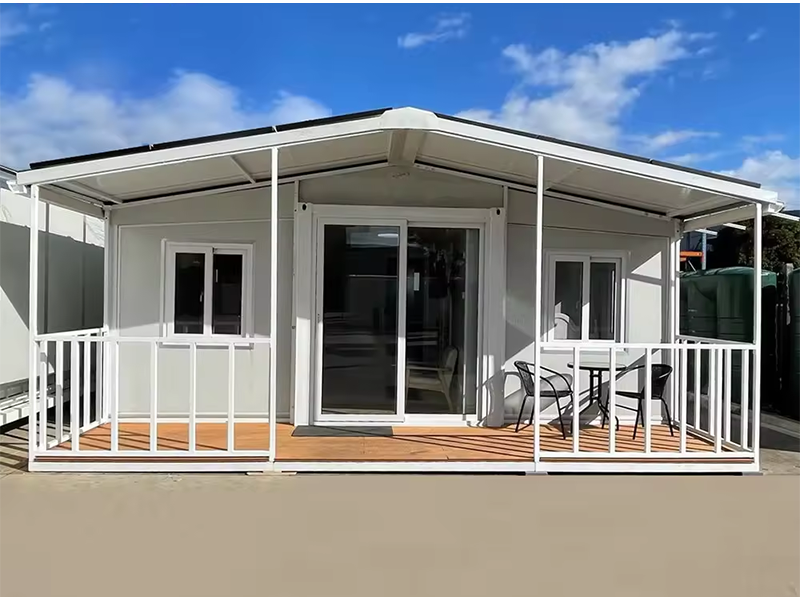
Global Development Trend Report on Expandable Container Houses: Technological Innovation, Market Opportunities and Future Challenges
Global Market Size and Regional Demand The double-door container market is experiencing unprecedented growth, driven primarily by accelerating global urbanization and surging demand for low-carbon buildings. According to market research, the global double-door container market reached RMB 43.46 billion in 2024 and is projected to grow steadily to RMB 62.93 billion by 2031, maintaining a compound annual growth rate of 6.0%. The integration of intelligence and digitalization is expanding rapidly. The container industry is rapidly evolving towards intelligence, connectivity, and automation. Technological innovation has become a key driver for building core competitiveness. A 2025 Drewry report predicts that the global…
-
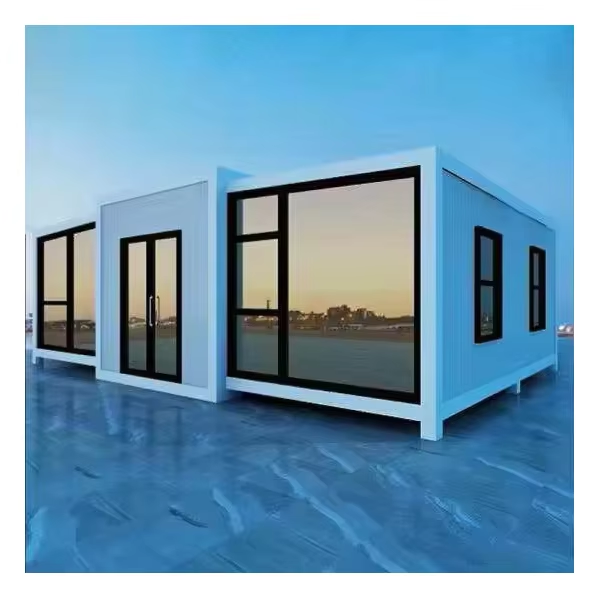
The Background And Core Advantages Of The Global Development Of Expandable Container Houses
Development Background and Core Advantages Expandable container homes, a revolutionary modular building solution, are sparking a wave of innovation in the global construction and logistics sectors. These homes utilize a unique hydraulic or mechanical folding structure to efficiently utilize space. When folded, their transport volume can be reduced by 70%-80%. Upon arrival, they can be deployed by a single person in a short period of time, completely resolving the high logistics costs associated with traditional container construction. The global double-door container market reached 43.46 billion yuan in 2024 and is expected to maintain steady growth. By 2031, the market size…
-
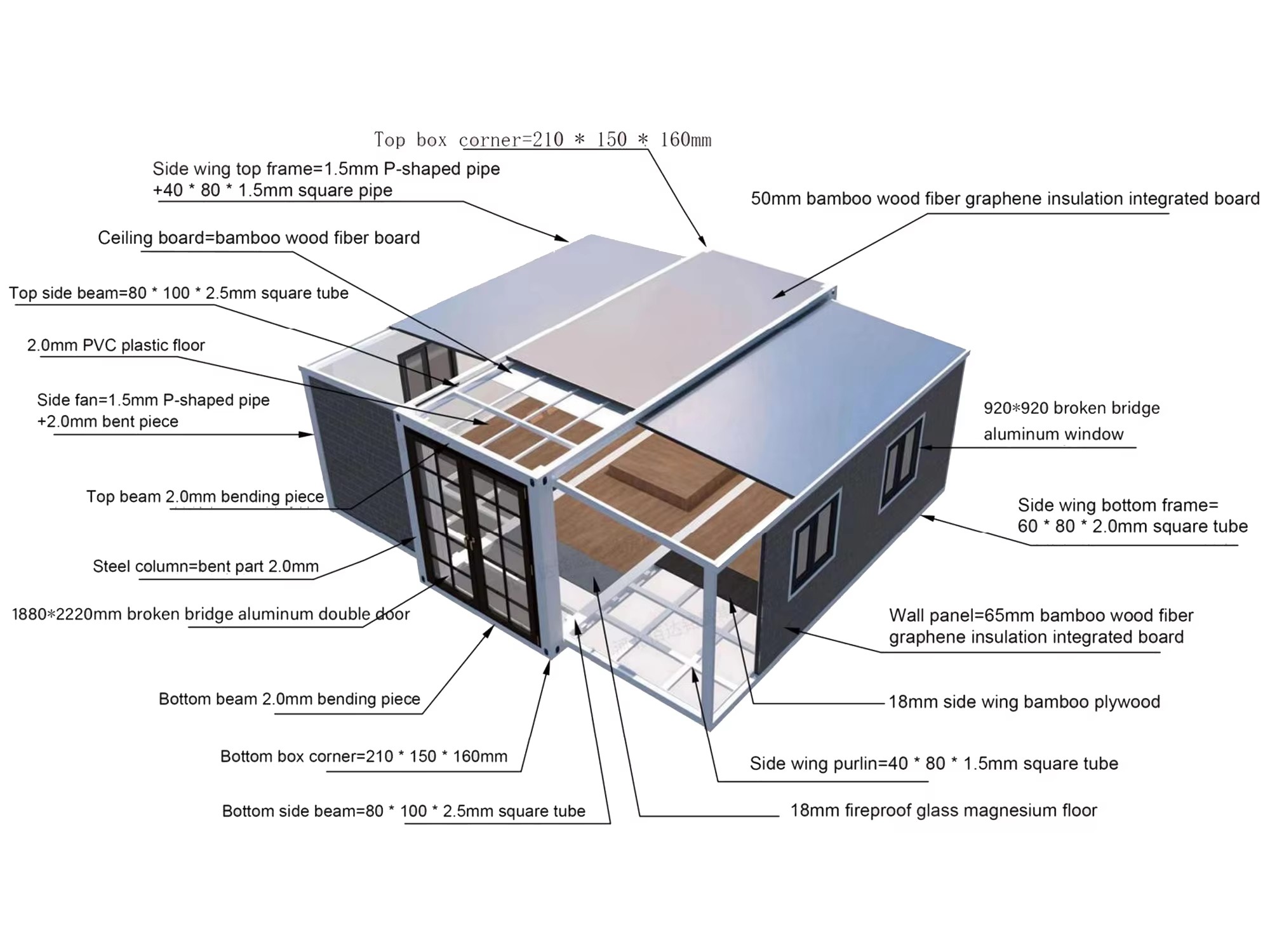
UK Expandable Container Housing Development Report: Dual-Track Evolution of Technological Innovation and Social Application
Market Background and Scale Demand-Driven Market Expansion Housing Gap Pressure: The UK’s social housing waiting list has reached 120,000 people (for example, in the London Borough of Ealing), with over 2,000 new applications annually. However, the annual supply is only 800 units, resulting in a 60% shortfall. Against this backdrop, container housing has become an emergency option for municipalities, such as Brighton Council in East Sussex, which has converted 36 shipping containers to house homeless people. Affordability: Expandable container housing costs 30% less than traditional buildings (as demonstrated by the Ten Fold project), and since it requires no foundation construction,…