

-

Foreign Development Trend Of Expandable Container Houses
The UK’s expandable container housing market is experiencing rapid growth, driven by a housing shortage (approximately 124,000 children live in temporary container housing), rising land costs (average land prices in London exceed £10,000 per square meter), and breakthroughs in modular construction technology. The global container housing market reached RMB 15.4 billion in 2023 and is projected to reach RMB 27.08 billion by 2030 (a CAGR of 8.6%). British companies are leveraging foldable steel structures (Ten Fold Engineering) and multi-layer stacking technology (Patalab’s nine-story container towers) to achieve spatial expansion and cost optimization, while also promoting the technology’s penetration beyond temporary…
-
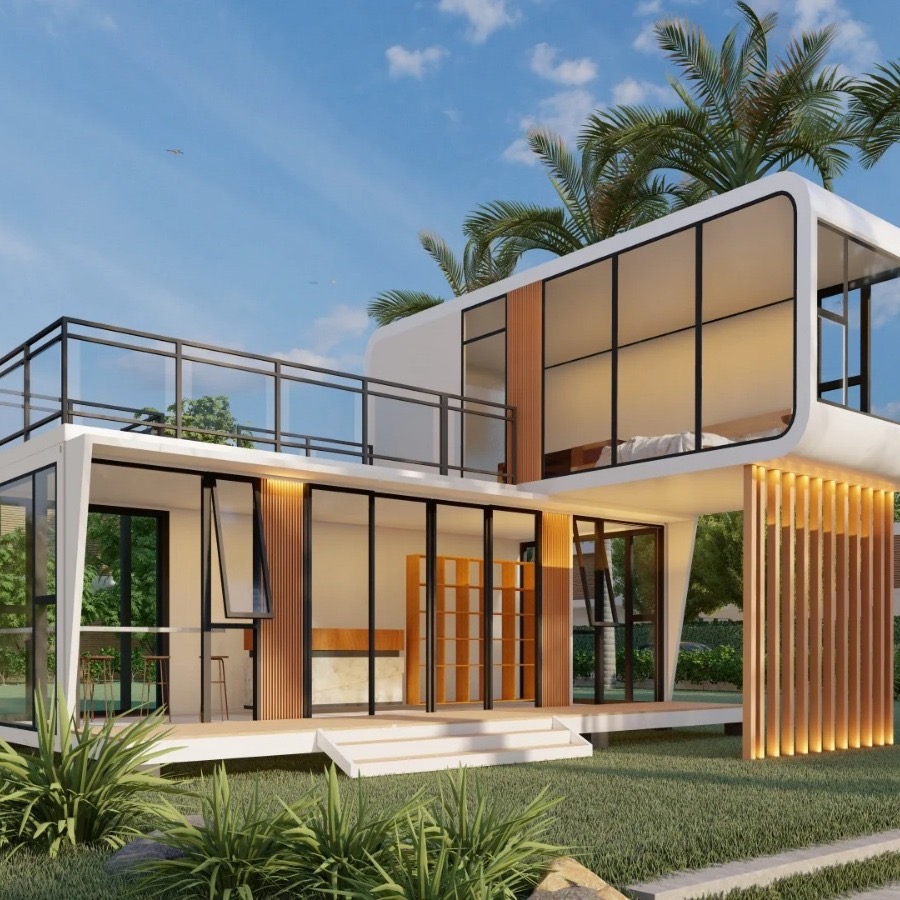
Global Development Report on Apple Cabins: Integration Innovation in Modular Construction and Smart Home Ecosystems
International Development of Mobile Apple Pod Modular Housing Market Overview and Growth Trends. Market Size and Growth: The global mobile apple pod market reached US$112 million in 2023 and is projected to reach US$203 million by 2030, with a compound annual growth rate (CAGR) of 8.6%. Sales also show steady growth, indicating increasing market acceptance. Regional Distribution: The global mobile apple pod market currently exhibits a multi-polar development trend: Americas: The United States, as the leading market, holds the largest global share. Europe: Countries such as Germany and the United Kingdom lead in high-end design. Asia-Pacific: China’s market is growing…
-
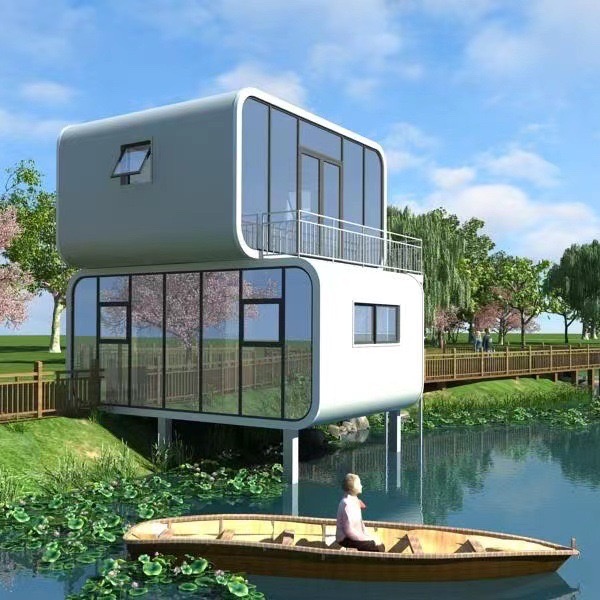
The Global Development Of Apple House
Apple Cabins manifest globally as a dual-track development: one comprises mobile modular housing units (dubbed “Apple Pods”) resembling iPhones, while the other represents smart home ecosystem communities built on Apple’s HomeKit platform. These dual forms embody innovative practices in architecture and residential technology. According to recent market data, the global mobile Apple Pod market is expanding at a CAGR of 8.6%, projected to reach $203 million by 2030. Simultaneously, Apple has partnered with real estate developers to establish the UK’s first fully integrated smart community and plans to scale to over 1,000 units globally within three years. This report analyzes Apple Cabins’ overseas development across product formats, market strategies,…
-

Development Potential and Challenges of Apple Cabins in the UK Real Estate Market
Technology and Product Definition: Modular Innovation Features Technical Architecture and Core Advantages Apple Cabins are factory-prefabricated modular structures, named for their minimalist industrial design aligned with Apple’s aesthetic. Core features include: Structural design: Galvanized steel frame for corrosion resistance and stability (standard unit: 20–45 sq m). Spatial performance: Floor-to-ceiling glazing maximizes natural light; integrated utilities and smart home interfaces (e.g., HomeKit). Sustainability: Recycled materials and solar power reduce lifecycle carbon footprint by ~30% versus traditional builds. UK Market Fit Analysis: Demand and High-Potential Regions Key Drivers: Housing Gap and Policy Incentives Affordability crisis: London’s average house price (£699,000) is 3× higher…
-
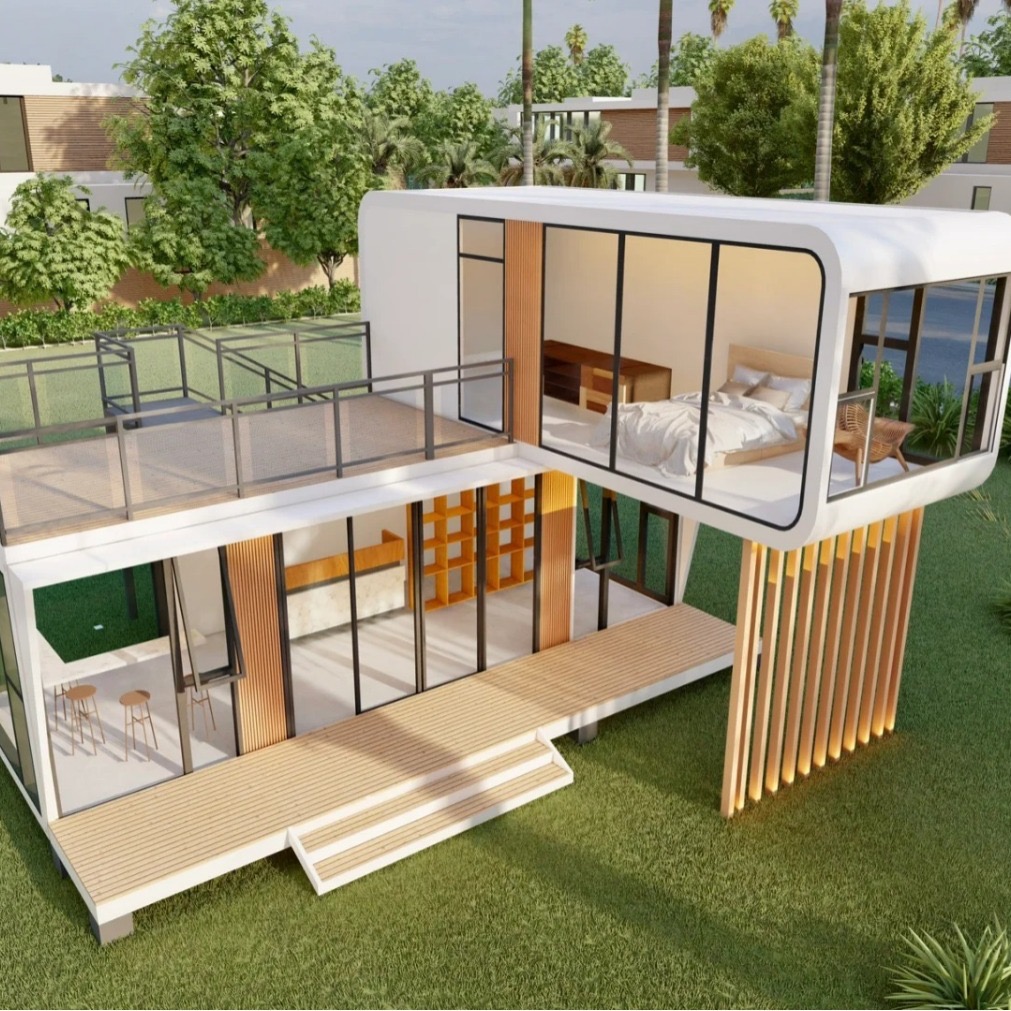
Demand for Apple Cabin in the UK Real Estate Market
Apple Cabins, as modular smart living spaces, are demonstrating unique value in the UK real estate market due to their factory prefabrication, rapid deployment, and eco-friendly features. Against the backdrop of the UK’s persistent housing shortage (estimated annual deficit exceeding 100,000 units) and a policy shift toward compact housing in 2025, this technology is poised to become a critical supplement to traditional construction. The market currently exhibits a “coexistence of growing demand and low awareness”: while the global Apple Cabin market is expanding at a CAGR of 8.3% (projected to reach £1.39 billion by 2030), adoption in the UK remains nascent, primarily limited to tourist accommodations and…
-
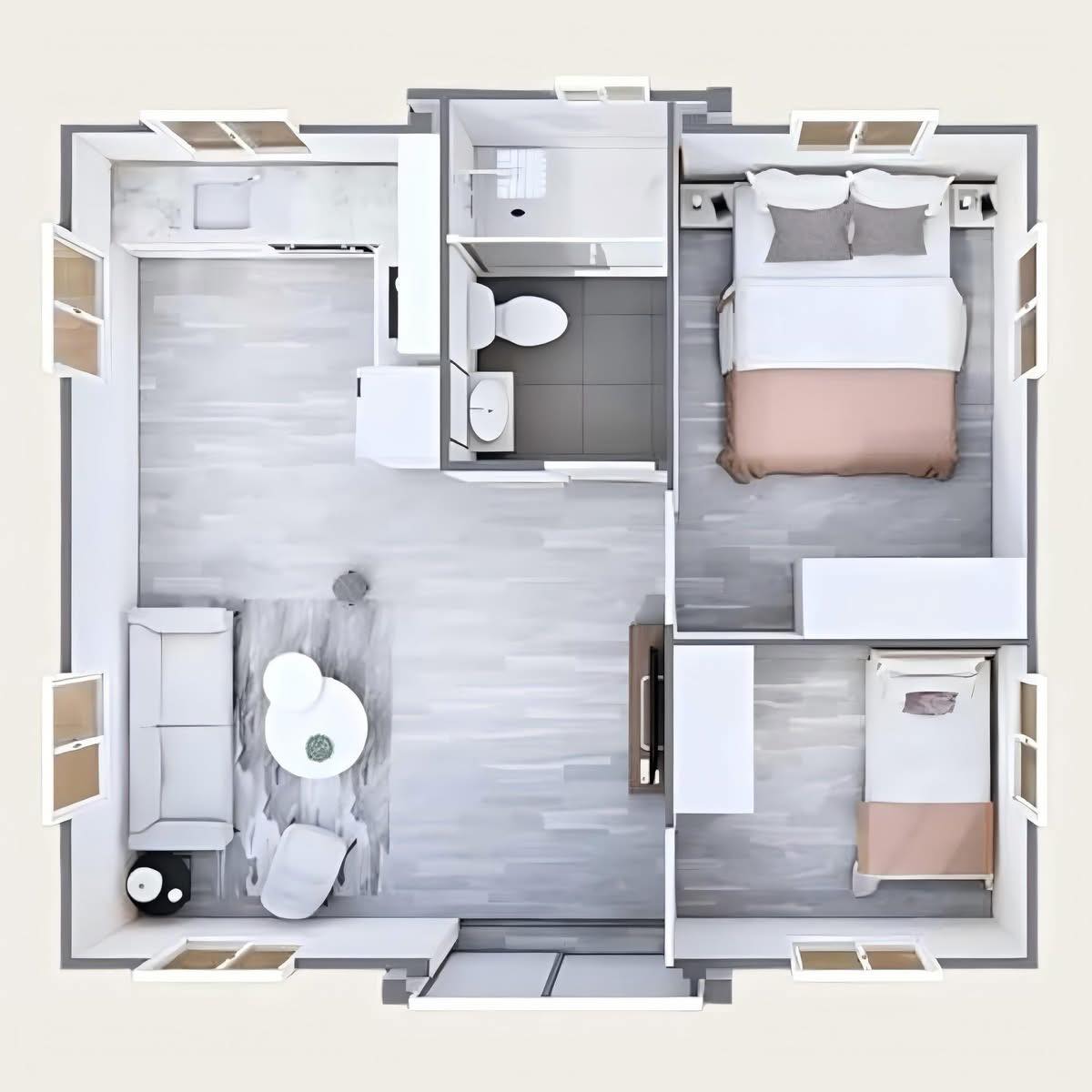
Expandable Container House: The Future of Sustainable and Affordable Living
In an era where sustainability, flexibility, and cost-efficiency are paramount, expandable container houses are revolutionizing modern living. These innovative structures combine industrial aesthetics with cutting-edge design, offering a perfect solution for residential, commercial, and emergency housing needs. Whether you’re an eco-conscious homeowner, a developer seeking modular solutions, or a business exploring pop-up spaces, expandable container houses deliver unmatched value. Why Choose Expandable Container Houses? Space Optimization Unlike traditional containers, expandable units can triple their size when deployed. Walls unfold to create spacious interiors, making them ideal for compact plots or temporary setups. Example: A 20ft container expands into a 37ft² living area with separate…
-
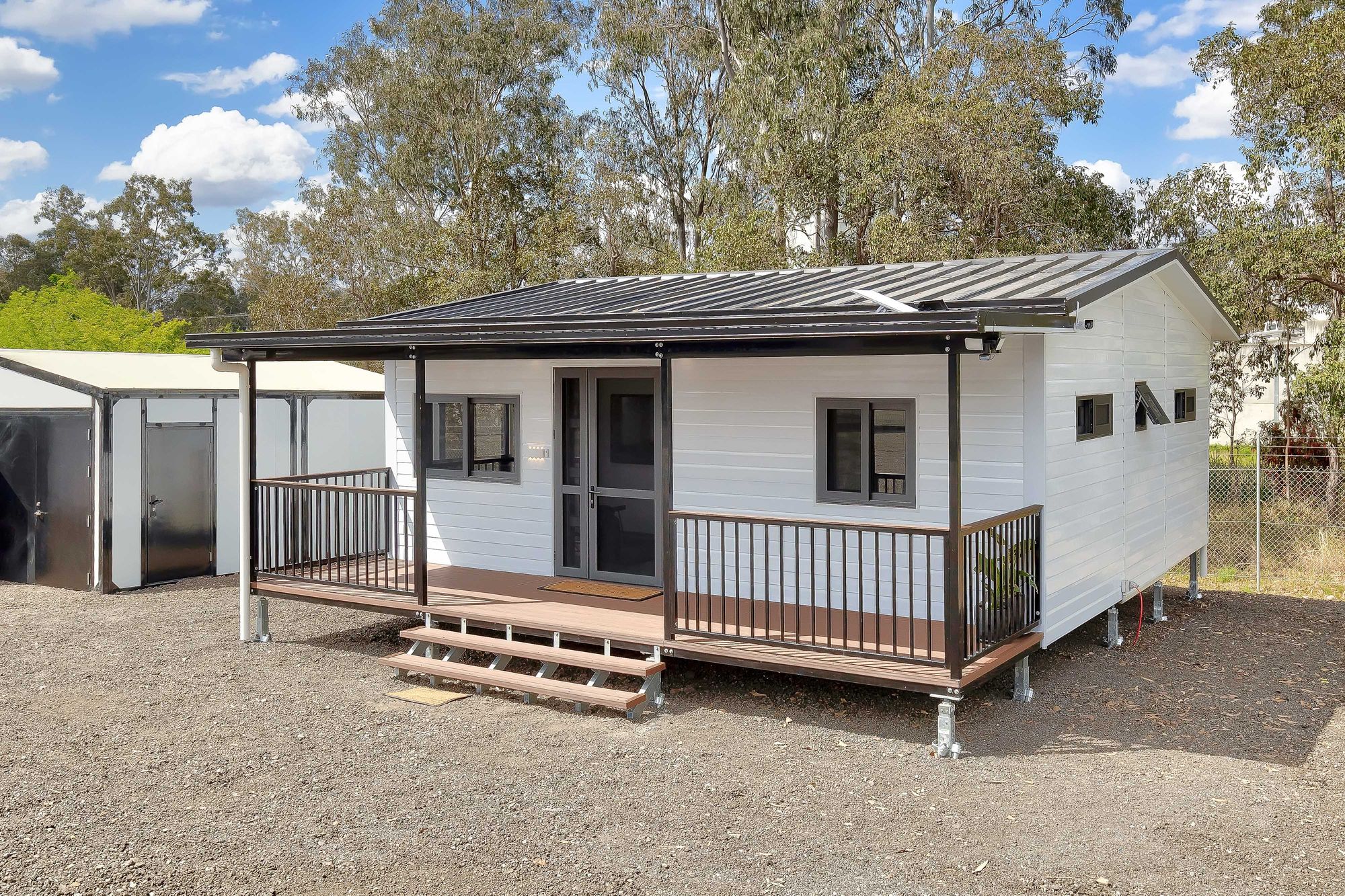
Why Granny Flats Are Australia’s New Housing Essential
Amid soaring property prices and housing shortages, Granny Flats have emerged as a smart solution to enhance both asset value and quality of life. These standalone secondary dwellings, built alongside primary homes, blend intergenerational warmth with financial savvy, transforming backyards into “hidden goldmines.” Key Benefits: Boost Property Value by 30% – Studies show Granny Flats increase home values by up to 30%, especially in high-demand suburbs like Sydney’s Northern Beaches. Steady Rental Income – A 2-bedroom Granny Flat generates 480–480–550 AUD/week in rent, delivering over 6% annual ROI. Family-Centric Flexibility – Provide independence for aging parents, adult children, or guests while maintaining close-knit connections. From Living Space…
-
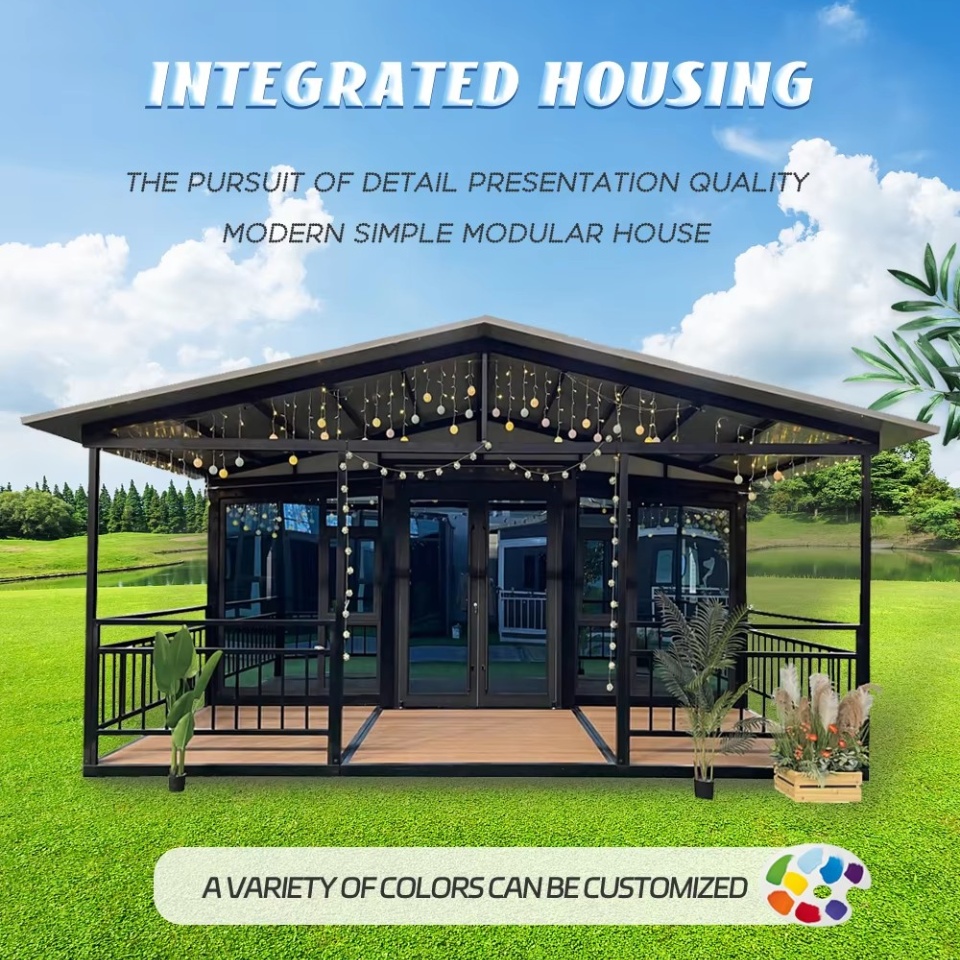
Granny Apartments in Australia: The Spatial Revolution under Ageing and the Housing Crisis
I. Innovation opportunities under dual challenges According to the Australian Bureau of Statistics, the proportion of people over 65 years old has reached 16.2%, while the housing vacancy rate in Sydney, Melbourne and other cities is below 2%. Granny Flats are facing two big pain points: Land costs are high: The average cost of a new detached apartment is $350,000 The approval cycle is lengthy: planning permission takes an average of 18 months in New South Wales Expandable container houses offer a breakthrough solution to this dilemma with their technological advantages of 300% more space in 5 minutes and 68%…
-
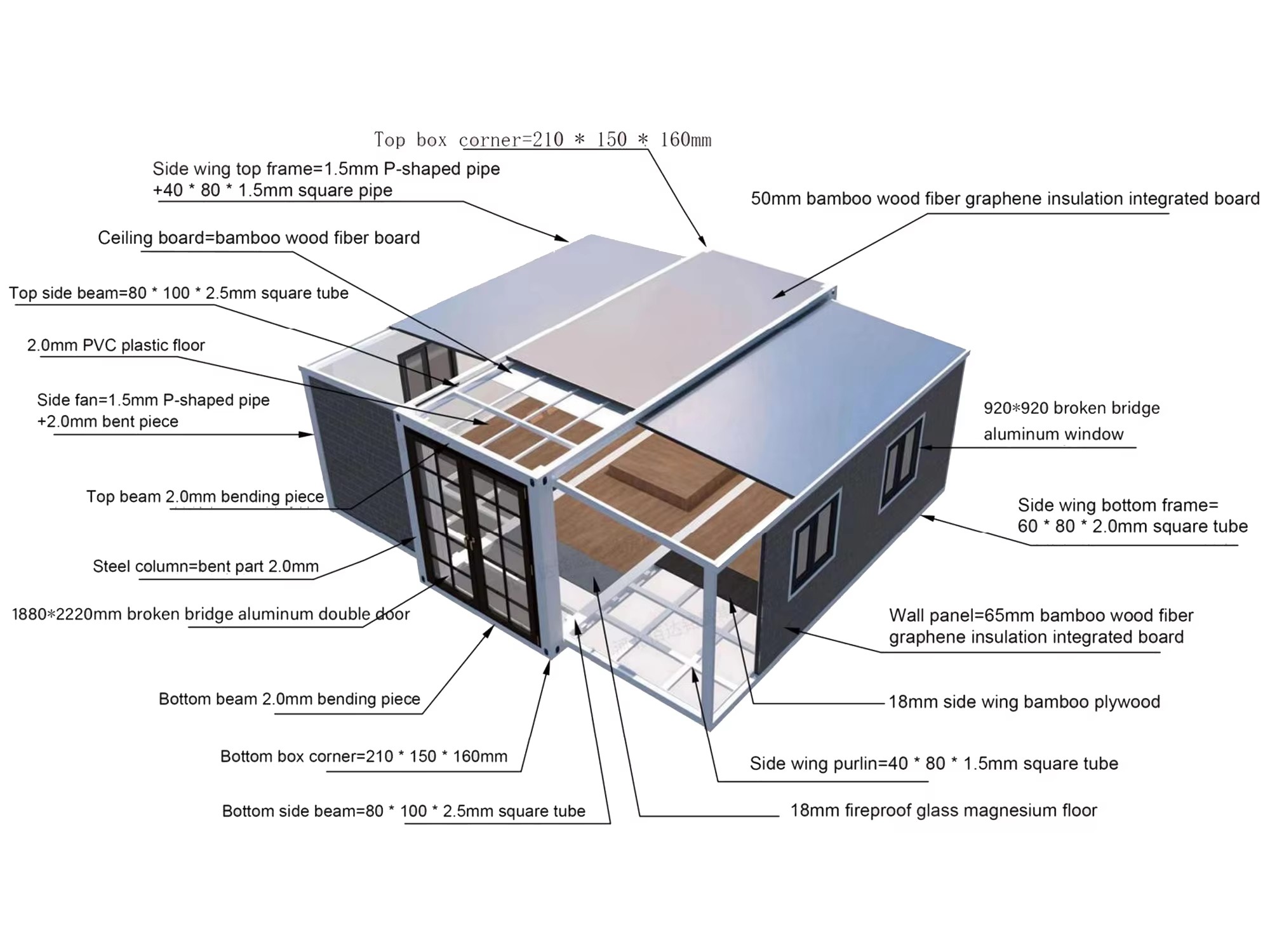
Folding House: Redefining Living Spaces with Revolutionary Design
Folding House? / Why Choose a Folding House? 1.Instant Deployment, Ultimate Flexibility Forget months of construction. With patented folding technology, Folding House transforms from a compact unit to a fully functional space in under 24 hours—anywhere, anytime. 2.Cut Logistics Costs by 70% Its folded size is 80% smaller than traditional structures, maximizing shipping efficiency. Perfect for exporters targeting global markets. 3.Smart & Sustainable Living Solar panels generate 20kW·h/day. Rainwater recycling for self-sufficient water supply. 100% recyclable materials with LEED certification.
-

Apple Cabin: The Innovative Choice of Foreign Trade Container Houses
In today’s global construction industry, which is constantly pursuing innovation and efficiency, the Apple Cabin, as an outstanding representative of foreign trade container houses, is providing perfect solutions for various needs with its unique charm and excellent performance. Unique Design, Highlighting Personality The exterior design of the Apple Cabin is inspired by the round apple, and its unique shape stands out among a host of buildings. The smooth lines and integrated structure are not only beautiful and generous but also have good aerodynamic performance, which can effectively reduce wind resistance and enhance stability. It can be customized in different colors…