
-

The Ultimate Convenience of Expandable Container Houses
In today’s fast-paced global market, efficiency meets innovation in our Dual-Wing Expandable Container Houses – the smart solution for modern mobile spaces. Designed for businesses and individuals seeking rapid deployment without compromising comfort, these transformative units redefine portable architecture. 1. Space Optimization, Simplified Our patent-pending dual-wing expansion system unlocks 2.8X more usable space within minutes. The synchronized hydraulic mechanism allows both side panels to extend smoothly, converting a standard 20ft container into a spacious 36㎡ living/working area. No heavy machinery required – one operator can complete setup. 2. Logistics Made Smarter • Standard shipping dimensions: 20ft (L) x 8ft (W) x 9.5ft…
-

Expandable Container House: An Innovative Solution for the Global Export Market
In the current era of continuous innovation and development in the construction field,expandable container houses have become the ideal choice for many industries with their unique advantages. They are not only innovators in space utilization but also practitioners of environmental protection and efficiency. I. Product Advantages 1.1 Flexible Expansion and Maximum Space Utilization This container house features a unique innovative folding mechanism. In just 5 minutes, its original space can be expanded to three times its size. The modular design concept runs through it, making installation and disassembly extremely convenient and rapid. Whether in the center of a bustling city…
-
The Advantages of Expandable Homes
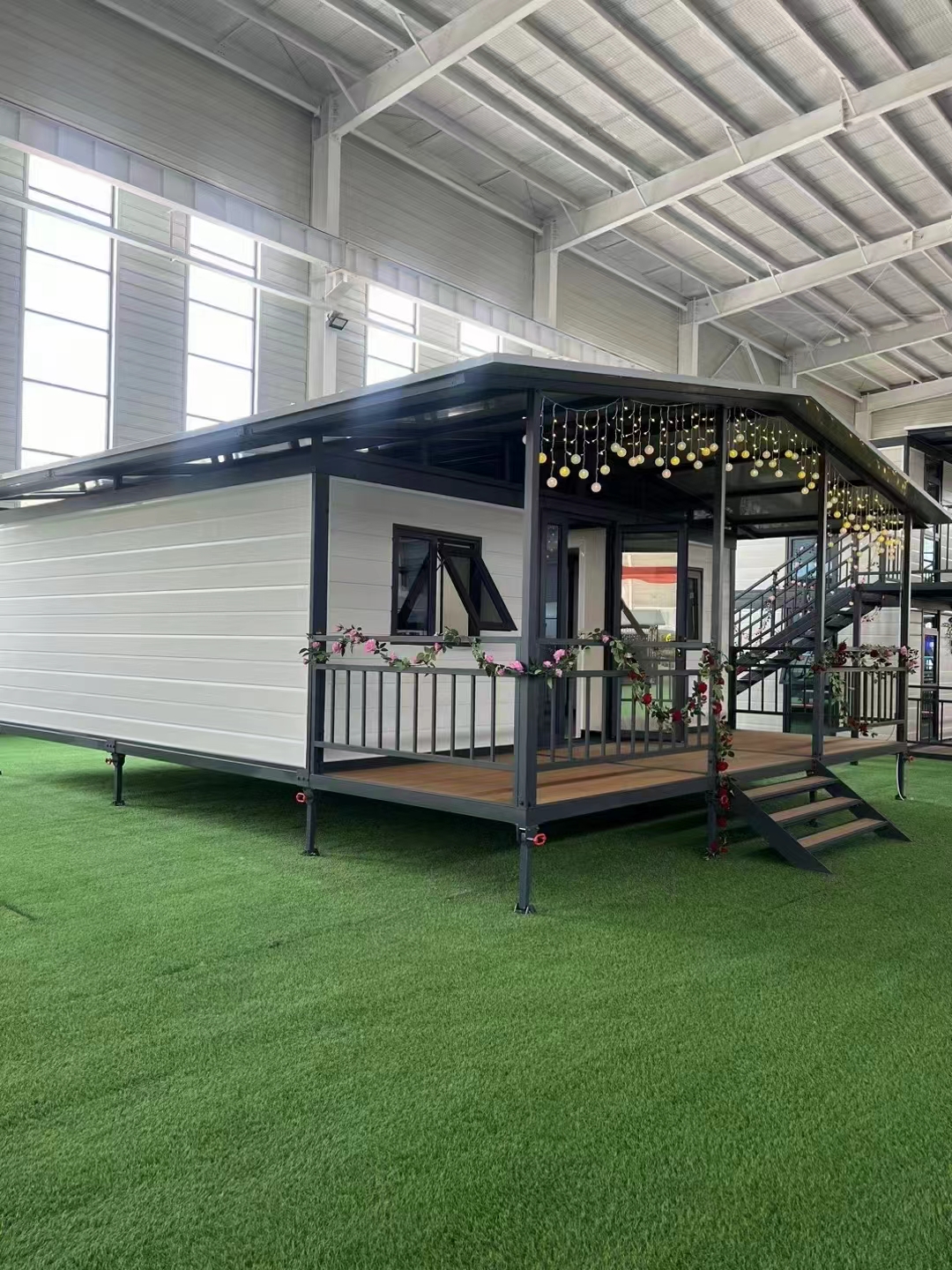
Unparalleled Flexibility The foremost advantage of expandable homes lies in their adaptability. Whether for singles, young families, or multigenerational households, these homes can be tailored to suit each stage of life, ensuring an optimal living environment at every turn. Environmental Efficiency Modular construction facilitates easy installation and dismantling, reducing waste of building materials. Furthermore, many expandable homes incorporate cutting-edge energy-saving technologies and eco-friendly materials, aligning with the contemporary pursuit of green lifestyles and significantly lowering overall energy consumption. Cost-Effectiveness Compared to conventional fixed-layout homes, expandable dwellings may require less initial investment. As living needs change, residents can gradually add or…
-
The Rise of Container Homes: A Sustainable and Innovative Living Solution
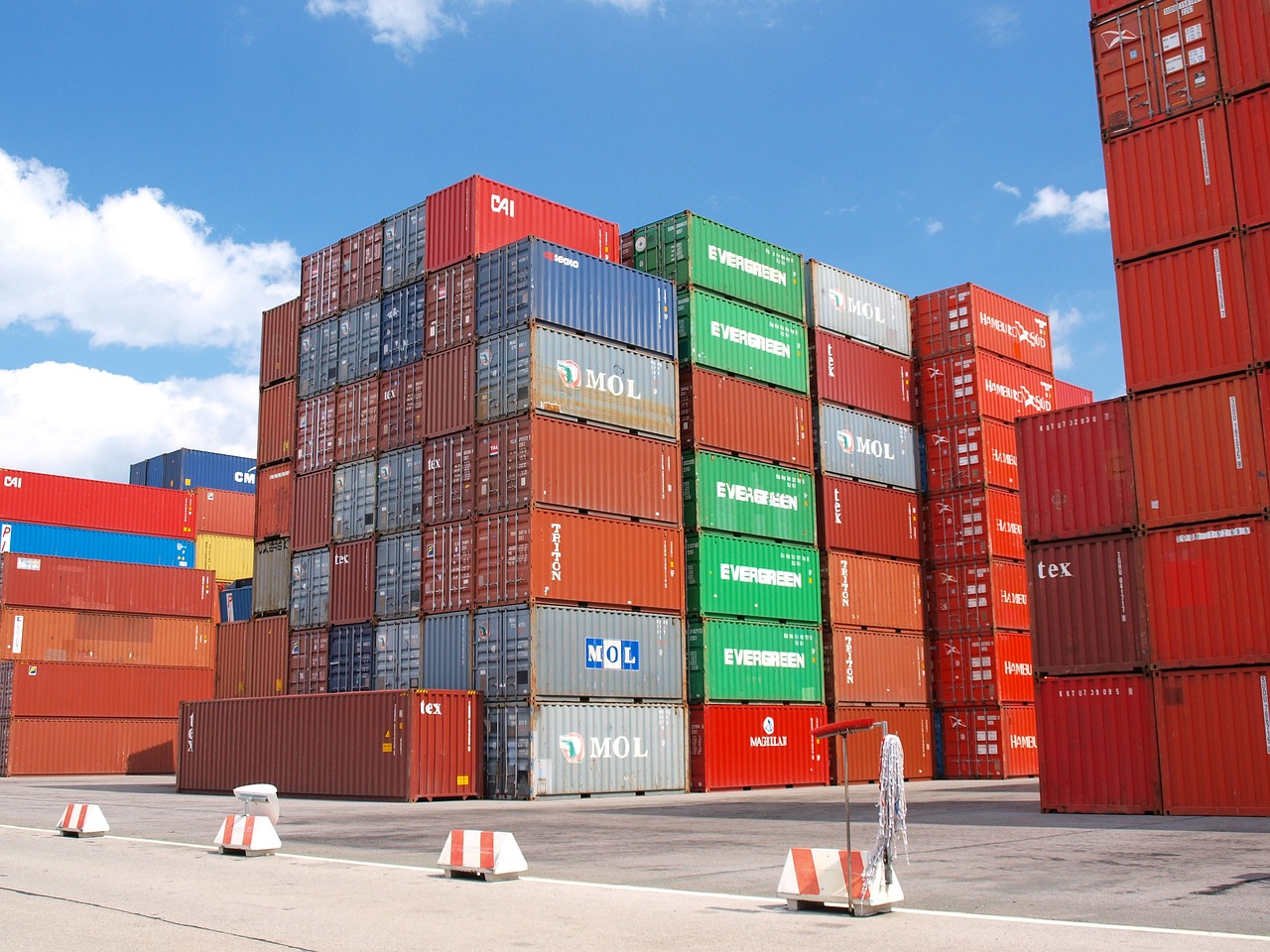
In the realm of contemporary architecture and sustainable living, container homes have emerged as a revolutionary concept, blending creativity with environmental consciousness. These unique dwellings, constructed primarily from repurposed shipping containers, offer a fascinating blend of affordability, durability, and adaptability, challenging traditional notions of what constitutes a ‘home.’ Origins and Evolution The idea of converting shipping containers into living spaces originated as a pragmatic solution to housing crises and urban sprawl. Initially, artists and architects experimented with these modular structures, attracted by their robust design, low cost, and the potential for creative customization. Over time, the concept has evolved, gaining…
-
The Charm and Versatility of Container Homes: A Modern Living Revolution
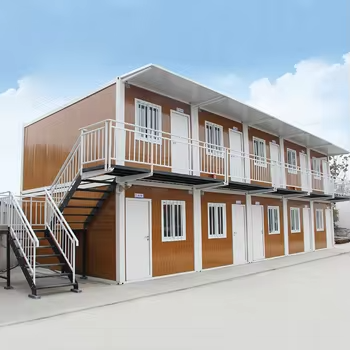
In the quest for innovative and sustainable living solutions, container homes have emerged as a fascinating trend, blending industrial aesthetics with contemporary design. These cleverly repurposed shipping containers have transformed from utilitarian transport units into stylish, functional, and eco-friendly dwellings, offering a compelling alternative to traditional homes. The Genesis of Container Architecture The concept of container homes traces its roots to the abundance of surplus shipping containers worldwide. These robust steel boxes, designed to withstand the rigors of ocean travel, present an untapped resource for creative construction. Initially, artists and architects saw potential in their modular, stackable design, experimenting with…
-
The Future of Housing: Revolutionizing Living Spaces with Expandable Homes
As we step into an era marked by rapid technological advancements and shifting societal needs, the way we perceive and inhabit our living spaces is undergoing a paradigm shift. Traditional homes, often rigid in structure and design, are giving way to a new wave of adaptable, expandable homes that cater to the evolving demands of modern lifestyles. These homes promise to redefine the very essence of living, blending innovation, sustainability, and personalized comfort to create a truly dynamic living environment. The Genesis of Expandable Homes The concept of expandable homes is rooted in the principles of modularity and versatility. Unlike…
-
The Evolution of Living Spaces: The Dawn of Adaptive, Expandable Homes
In a world where change is the only constant, the way we live and inhabit spaces is also evolving. Traditional homes, fixed in size and layout, are giving way to a new generation of adaptive, expandable homes that cater to the dynamic needs of modern lifestyles. These homes promise to be not just places of residence, but living entities that evolve with their occupants, offering unparalleled flexibility, sustainability, and a sense of perpetual renewal. The Birth of Expandable Homes The concept of expandable homes is rooted in the idea of modularity and adaptability. Unlike traditional homes that are built as…
-

The Future of Living: The Rise and Promise of Expandable Houses
As cities continue to expand and populations grow, the need for innovative housing solutions becomes ever more pressing. In this context, expandable houses are emerging as a groundbreaking concept, offering a fresh perspective on modern living. These homes are designed to evolve with the needs of their residents, providing a flexible, sustainable, and cost-effective alternative to traditional housing. The Concept of Expandability Expandable houses are built on the principle of adaptability. Unlike fixed-size homes, these dwellings can be expanded or contracted to accommodate changing circumstances. Whether you’re welcoming a new family member, transitioning to remote work, or simply seeking more…
-
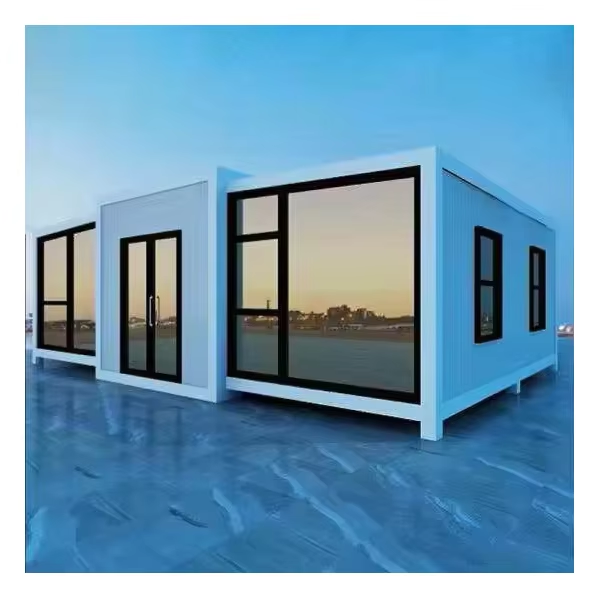
The Rise of Expandable Homes: A Revolutionary Approach to Modern Living
In an era where urbanization is accelerating and space is becoming a precious commodity, the concept of expandable homes is emerging as a revolutionary solution to the housing crisis. These innovative dwellings are designed to grow and adapt to the evolving needs of their residents, offering flexibility, sustainability, and affordability in an increasingly crowded world. The Evolution of Spatial Adaptability Traditionally, homes were built to accommodate a specific family size or lifestyle, often leading to underutilization of space or the need for costly renovations as circumstances changed. Expandable homes, on the other hand, incorporate modular designs that allow for easy…
-
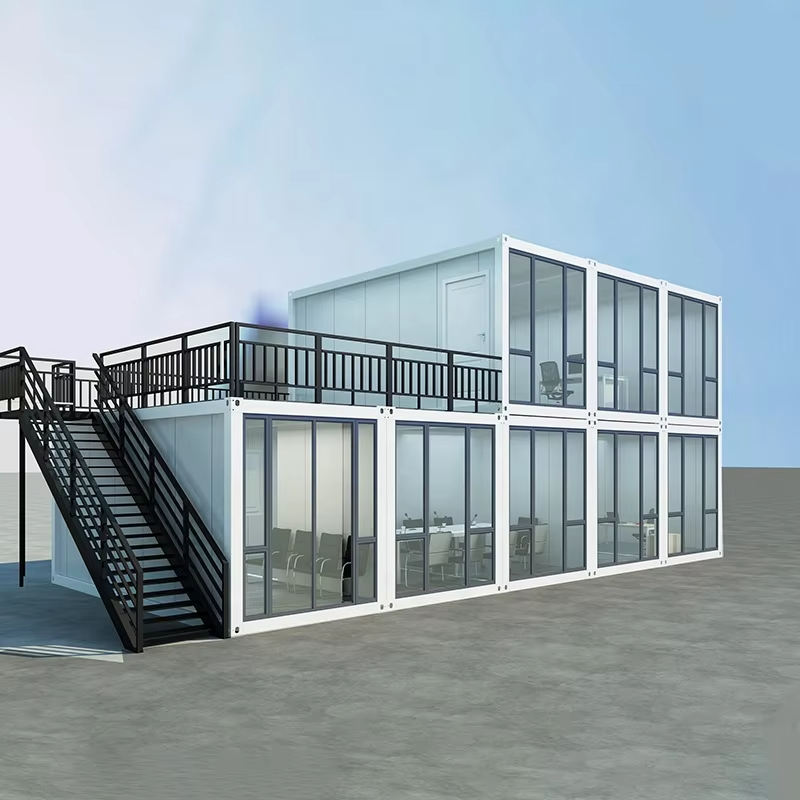
What are the advantages of container houses?
1. Green Containers are generally reused from old containers, so they do not waste natural resources. And in the process of house construction, there is no need to cut down a large number of trees and mineral resources, avoiding environmental damage and ecological balance is broken. At the same time, container houses can be reused through secondary decoration or combination after demolition, which extends the service life and avoids the waste of resources. 2. Short construction period and low cost Compared with traditional brick and wood structure houses, the construction period of container houses is significantly shortened, saving a lot…