

-
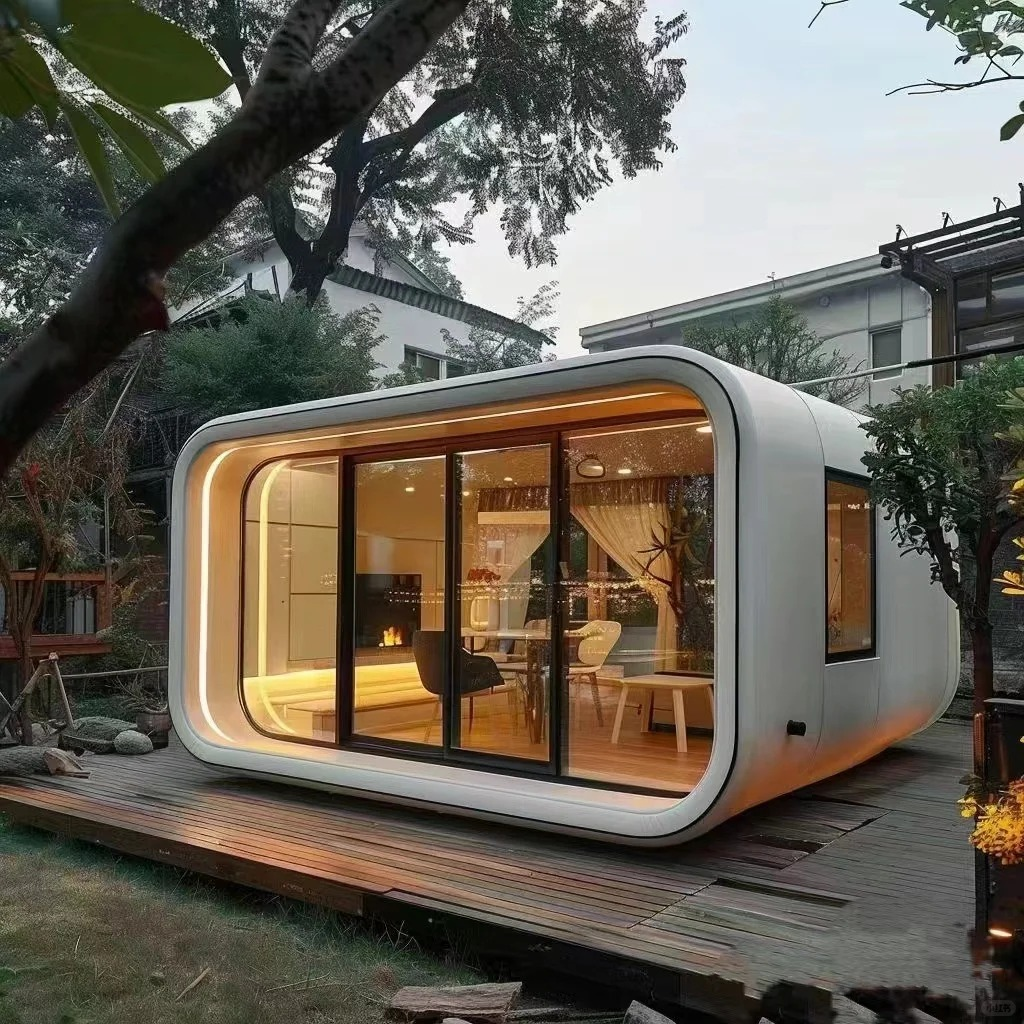
Global Delivery in Progress! Your Applecabin Awaits Departure
Look, another Applecabin container house has been “settled” at its destination! Feedback photos from our US client capture one of the most exciting moments of our daily work. It demonstrates our international delivery capabilities and product reliability. No matter where in the world your project is, we can deliver this “dream home” to you intact through our proven export solutions. Are you planning a similar project? Feel free to request more global client delivery case studies and get your customized solution and quote. Let us turn your vision into the next successful arrival!
-
Another Successful Delivery, Arriving Safely!
A picture speaks a thousand words. Thank you to our New Zealand customer for the real-life feedback! Our professionally packaged expandable container house has arrived at the site in perfect condition and is ready to begin its new mission. From our factory in China to your land, we are protecting not just a product, but also the expectation of quality and commitment.
-

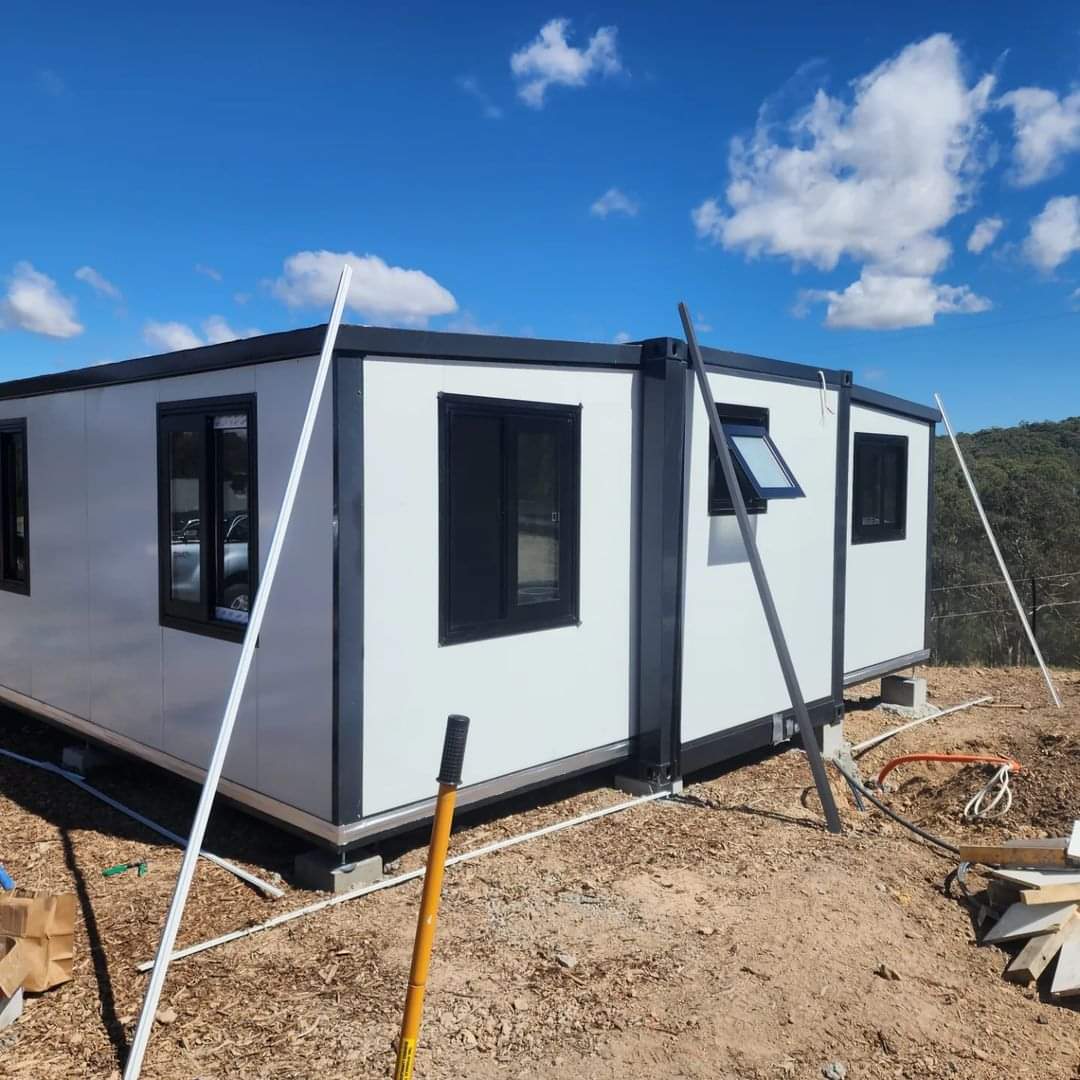
Project Closed Loop | On-site Installation Photos Released
The success of a project begins with professional design, culminates in reliable delivery, and is ultimately reflected in the client’s on-site feedback. We are delighted to share with you the latest on-site installation photos (with authorization) from our Australian client. This marks the successful completion of another Expandable Container House custom home’s production, shipping, and installation process. This proves: Consistency between drawings and reality: Our design and manufacturing processes ensure precise implementation. Global delivery reliability: Products arrive safely and are installed smoothly, regardless of the destination. Product adaptability: The house blends perfectly into the local environment, meeting the client’s functional…
-

From Blueprints to a Completed Home, Another Client has Sent us Photos of Their Finished Project.
We just received real photos from our Australian client; our container house is now firmly rooted on the land he selected. These aren’t renderings; this is the actual view our Australian client sees every day when he opens his window. From the precisely calculated production line, to the journey across the ocean, and finally to the step-by-step assembly in the client’s hands – we deliver not just a pile of components, but a sturdy, ready-to-use home. Thank you to our Australian client for their trust and feedback. Every “completed” photo reinforces the meaning of our commitment to quality from the…
-
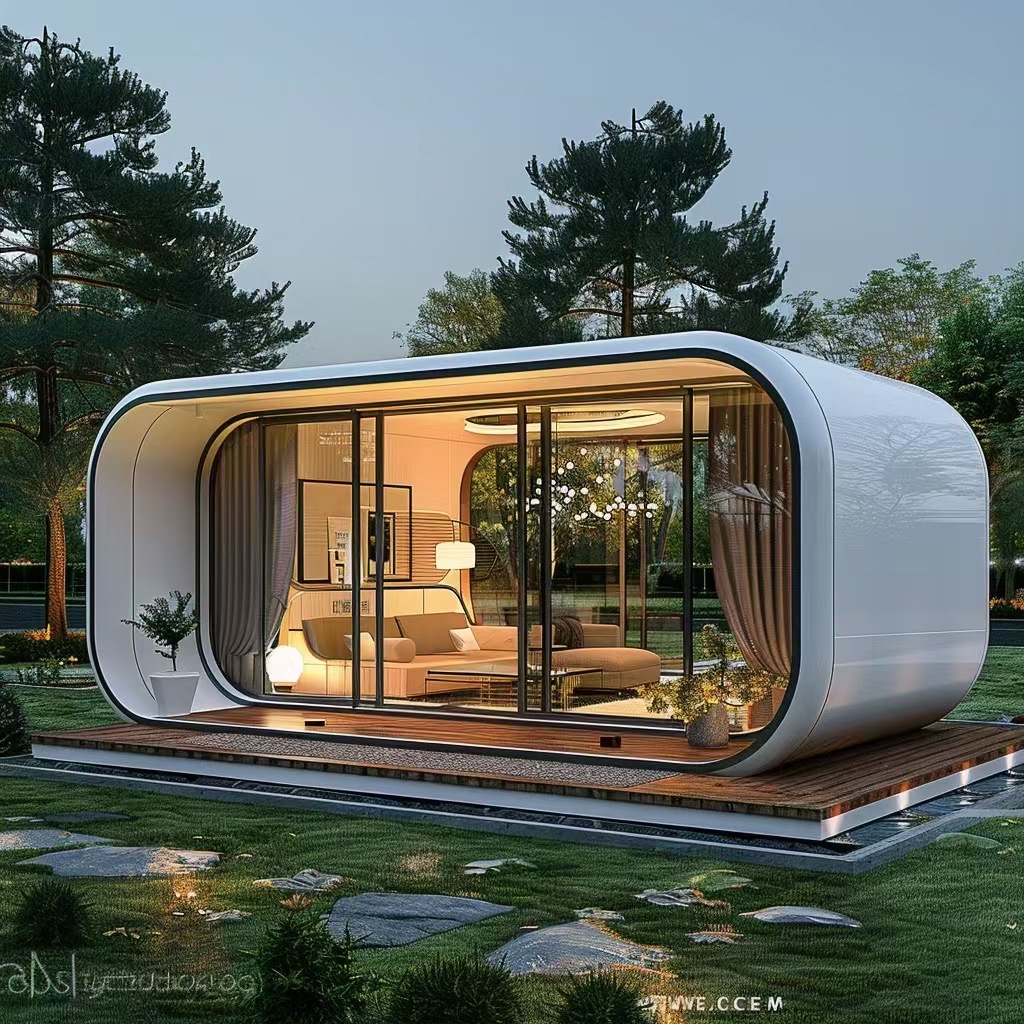
Opportunities and Challenges Brought About by the Diversified Development of Apple House
Land and Policy Regulatory Issues: Developing such projects on non-construction land may face policy gray areas regarding land use, planning permits, and fire safety. Rapid development may lead to regulatory lag, resulting in disorderly development and potential damage to the natural environment. Seasonal Fluctuations and Operating Costs: Cabins located in remote areas are significantly affected by seasonal fluctuations in visitor flow, experiencing high operational pressure during off-seasons. Decentralized layouts lead to higher logistics, maintenance, and labor costs. Future Development Trends Outlook: Deep Product Differentiation: More vertical market segments will emerge, such as “Apple Cabins” focusing on themes like meditation therapy,…
-
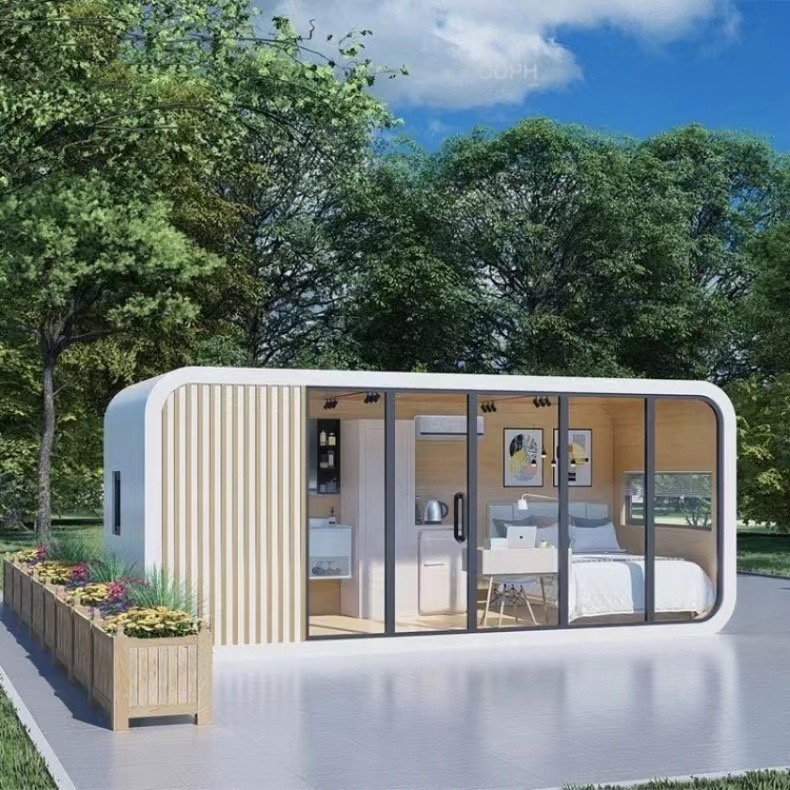
The Diversified Development of Apple House has had a Multifaceted Impact on the Tourism Industry.
Opening up new tourist destinations and growth points: Expanding tourism from traditional popular cities and scenic spots to remote rural areas, mountains, and coastlines, promoting the development of all-for-one tourism. Bringing new sources of income to economically underdeveloped but resource-rich regions, achieving poverty alleviation through tourism. Reshaping the tourism accommodation industry landscape: Challenging the standardized hotel industry, driving the prosperity and upgrading of the “non-standard accommodation” market. Prompting traditional hotels to rethink their product design, adding more distinctive and experiential room types. Enhancing tourist experience and satisfaction: Providing highly personalized, private, and immersive travel experiences, satisfying tourists’ psychological needs for…
-
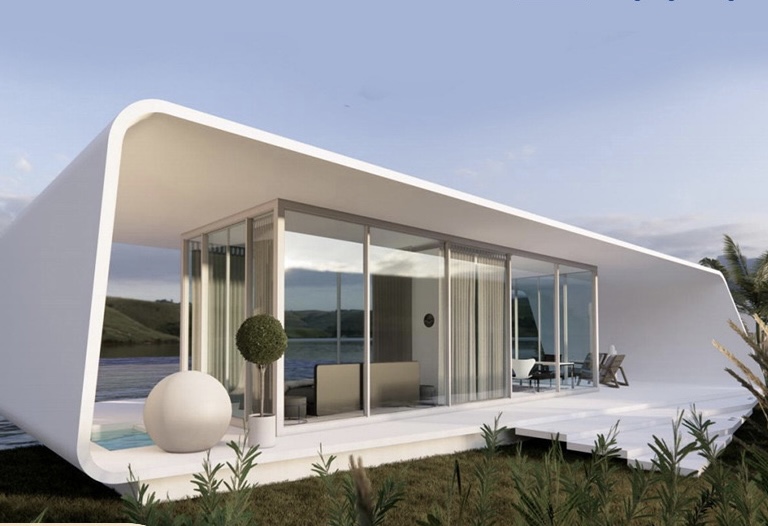
The Driving Factors and Multifaceted Development of The “Apple Cabin”
Changing Market Demands: Post-Pandemic Demands: Tourists prefer safer, more private travel experiences that avoid crowds. Millennial and Gen Z Preferences: Seeking unique, Instagrammable experiences, emphasizing design and aesthetics over mere material luxury. Pursuit of “Experience”: Shifting from “owning things” to “enjoying experiences,” accommodation itself has become a core travel destination. Technological and Industrial Maturity: Prefabricated Modular Building Technology: Enables the rapid and low-cost construction of high-quality cabins in complex terrains. Popularization of Smart Home Technology: Reduces the cost and barriers to achieving whole-house smart control. Social Media and Online Booking Platforms: Provide precise marketing channels and visual display platforms for…
-
The Core Concept of Apple Cabin: What is an “Apple Cabin”?
“Apple Cabins” doesn’t refer to a specific brand, but rather to a category of accommodation products with the following core characteristics: Exquisite Design and Aesthetics: Similar to Apple’s product philosophy, emphasizing a minimalist, modern, and streamlined design, focusing on detail and user experience. Technological Integration and Intelligence:Seamlessly integrated into smart home systems, providing convenient and efficient living control. Small yet Exquisite Space Experience: Maximizing functionality within limited spaces through ingenious design, providing a “capsule-like” yet comfortable living environment. Deep Integration with Nature:Typically located in scenic, non-traditional locations such as mountains, lakesides, and countryside, blurring the boundaries between indoors and outdoors…
-
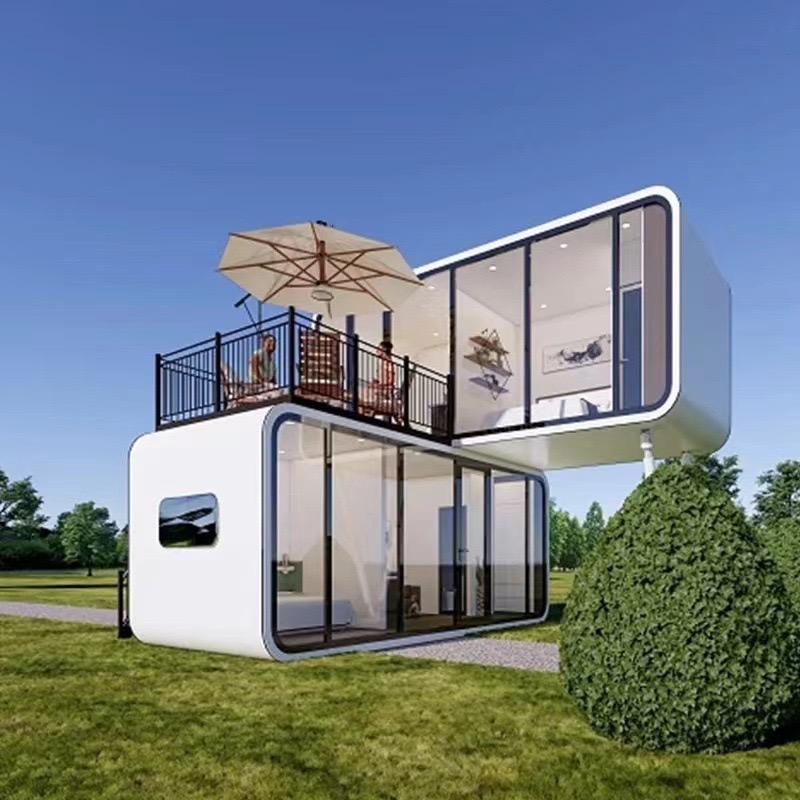
The Global Impact and Future Prospects of the Diversified Development of Container Houses
The core impact of the diversified development of container houses lies in its offering a completely new way of thinking about resources, space, and lifestyles. It proves to the world that: Sustainability can coexist with creativity and aesthetics. Housing doesn’t have to be expensive and fixed; it can be flexible and adaptable. Urban space can be used more efficiently and dynamically. Looking to the future, with advancements in materials science (such as more advanced insulation and corrosion-resistant coatings), modular construction technology, and smart home systems, the comfort, safety, and intelligence of container houses will be further improved. At the same…
-

The Positive Impacts and Changes Brought About by the Diversified Development of Container Houses
1. Environmental Aspect: Promoting Circular Economy and Sustainable Development Reducing Construction Waste: Compared to traditional buildings, container construction generates significantly less construction waste during the construction process, aligning with the principles of green building. Promoting Environmental Awareness: Container houses serve as a direct example of environmental education, conveying the sustainable development values of “reduction, reuse, and recycling” to the public. 2. Economic Aspect: Creating New Business Models and Reducing Costs Low-Cost Housing Solutions: Providing fast and affordable solutions for affordable housing, youth apartments, and temporary housing in disaster areas, alleviating housing pressure for some regions and groups. Spontaneous Development of…