

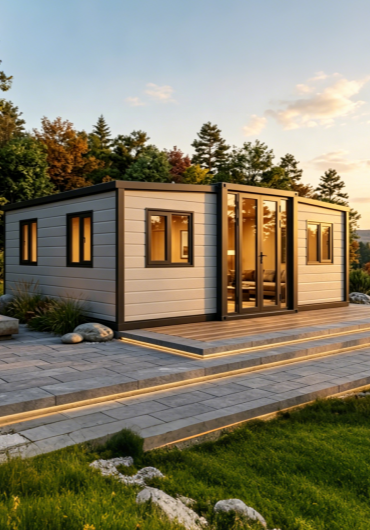
When purchasing an expandable container house, waterproof performance is one of the most important factors to consider.
Whether the house will be used as a family home, worker accommodation, holiday cabin, or temporary office, protection against rainwater and moisture is essential for maintaining a comfortable indoor environment.
But are expandable container houses waterproof? What should buyers check before placing an order?
Let’s explore the key factors.
1. Understanding the Waterproof Structure
An expandable container house consists of several structural components that work together to protect the interior from outdoor weather conditions.
These may include:
- Exterior wall panels
- Roof panels
- Steel structural frame
- Doors and windows
- Sealing materials
- Floor structure
- Drainage components
Each component plays an important role in the overall waterproof performance.
The quality of materials and manufacturing details can influence how effectively the house protects against rain and moisture.
2. Roof Waterproofing
The roof is one of the most important areas to consider.
Rainwater needs to be directed away from the building rather than accumulating around joints or connections.
When evaluating an expandable house, buyers should ask about:
- Roof panel materials
- Roof slope and drainage design
- Waterproof sealing
- Joint connections
- Water drainage arrangements
Proper roof installation and regular inspection are also important for long-term performance.
3. Wall Panel Protection
Exterior wall panels provide another important layer of protection.
Depending on the product configuration, different metal panels and insulated wall systems can be used.
Customers should confirm the panel material, thickness, connection method, and sealing details before ordering.
A suitable exterior wall system can help protect the interior from rain and moisture.
4. Doors and Windows
Doors and windows are potential areas where water may enter if sealing is not properly designed or maintained.
Important details include:
- Window frame materials
- Glass specifications
- Weather seals
- Door thresholds
- Installation connections
- Exterior sealing
For projects located in regions with heavy rainfall, these details deserve particular attention.
5. Preventing Moisture Inside the House
Waterproofing and moisture control are related but different issues.
Even when the exterior is properly sealed, indoor humidity can still become a problem without adequate ventilation.
Bathrooms, kitchens, and other areas with frequent water use should have appropriate ventilation and moisture management.
This helps reduce condensation and maintain a more comfortable indoor environment.
6. Maintenance Tips
To maintain waterproof performance, owners should regularly inspect:
- Roof surfaces
- Wall panel connections
- Window seals
- Door seals
- Drainage areas
- Exterior joints
- Plumbing connections
Damaged sealants or loose connections should be repaired promptly.
7. Choose the Right Configuration for Your Project
Different climates require different considerations.
A project in a region with frequent rainfall may need additional attention to roof drainage, sealing, and exterior protection.
Buyers should communicate their destination country and local weather conditions to the manufacturer before production.
Looking for a Waterproof Expandable Container House?
We provide expandable container houses for different residential and commercial applications.
Customers can discuss wall materials, roof specifications, doors, windows, sealing details, and other customization requirements.
If you are planning a project, send us your destination country, required quantity, and preferred configuration.
Contact us today for product specifications, photos, videos, and a customized expandable container house quotation.