


When planning a new accommodation or residential project, one of the most important decisions is choosing the right construction method.
Traditional houses and expandable container houses offer different advantages in terms of construction, transportation, installation, customization, and overall project costs.
For buyers looking for a flexible and efficient building solution, understanding these differences can help make a better decision.
1. Construction Method
Traditional houses are generally constructed on site using materials such as concrete, bricks, steel, timber, and other building components.
This process may involve multiple construction stages, contractors, and considerable on-site coordination.
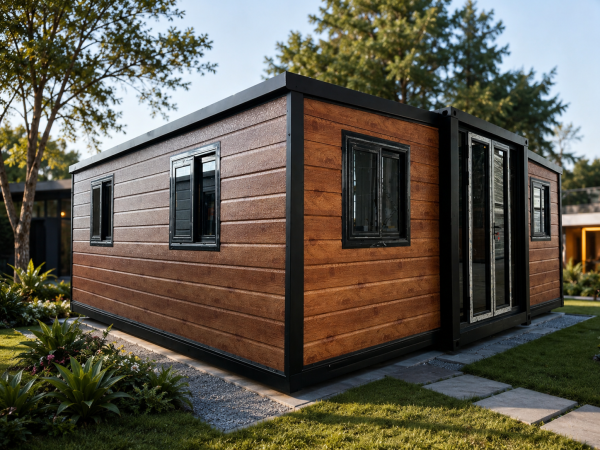
Expandable container houses are primarily manufactured in a factory.
The main structure and selected interior components are prepared before transportation, reducing the amount of construction work required at the destination.
2. Construction Time
Traditional construction schedules can be affected by weather, labor availability, material delivery, and project complexity.
Expandable houses offer a different approach because much of the manufacturing work takes place before the unit arrives at the site.
However, actual project completion time still depends on transportation, foundation preparation, utilities, installation, and local approvals.
3. Transportation and Logistics
Traditional building materials are often transported separately to the construction site.
Expandable container houses are designed to be transported in a compact configuration.
This can be beneficial for projects where transportation efficiency and rapid deployment are important.
However, shipping costs should always be calculated according to the actual model, quantity, destination, and logistics arrangements.
4. Initial Investment
The total cost of a building involves more than the price of the structure itself.
For traditional construction, expenses may include:
- Building materials
- Labor
- Equipment
- Construction management
- Foundation
- Interior finishing
- Utilities
For expandable container houses, costs may include:
- Product price
- Customization
- International transportation
- Import duties and taxes
- Foundation
- Unloading
- Installation
- Utility connections
- Local approval requirements
Therefore, buyers should compare the complete project cost rather than only the factory price.
5. Design Flexibility
Traditional houses offer extensive architectural flexibility.
Expandable container houses also provide different customization possibilities, depending on the product design.
Customers may be able to customize:
- Number of bedrooms
- Kitchen layout
- Bathroom configuration
- Doors and windows
- Flooring
- Wall finishes
- Exterior colors
- Electrical systems
- Plumbing
The available options depend on the selected model and structural limitations.
6. Suitable Applications
Traditional construction may be preferred for projects requiring specific architectural designs, complex structural systems, or established local building methods.
Expandable container houses may be suitable for:
- Temporary accommodation
- Worker housing
- Holiday cabins
- Rental accommodation
- Site offices
- Modular housing projects
- Certain residential applications
The appropriate choice depends on the intended use and applicable local regulations.
7. Consider Long-Term Costs
Initial purchase price is only one part of the investment.
Buyers should also consider:
- Maintenance
- Energy consumption
- Insulation performance
- Durability
- Repair costs
- Replacement components
- Expected service life
A building with a lower initial price is not necessarily the most economical option over its entire service life.
Which Option Is Right for Your Project?
There is no universal answer.
If your project prioritizes factory production, transportation efficiency, and relatively rapid deployment, an expandable container house may be worth considering.
If your project requires a highly customized permanent structure or a particular architectural design, traditional construction may be more appropriate.
The best decision comes from comparing the actual requirements and total project costs.
Request an Expandable Container House Quotation
If you are comparing expandable houses with traditional construction, our team can help you understand the product configuration and factory pricing.
Send us your:
- Destination country
- Required quantity
- Preferred dimensions
- Intended application
- Floor plan
- Interior configuration
We can provide product information and a quotation to help you evaluate your project.
Contact us today to explore whether an expandable container house is the right solution for your next project.