


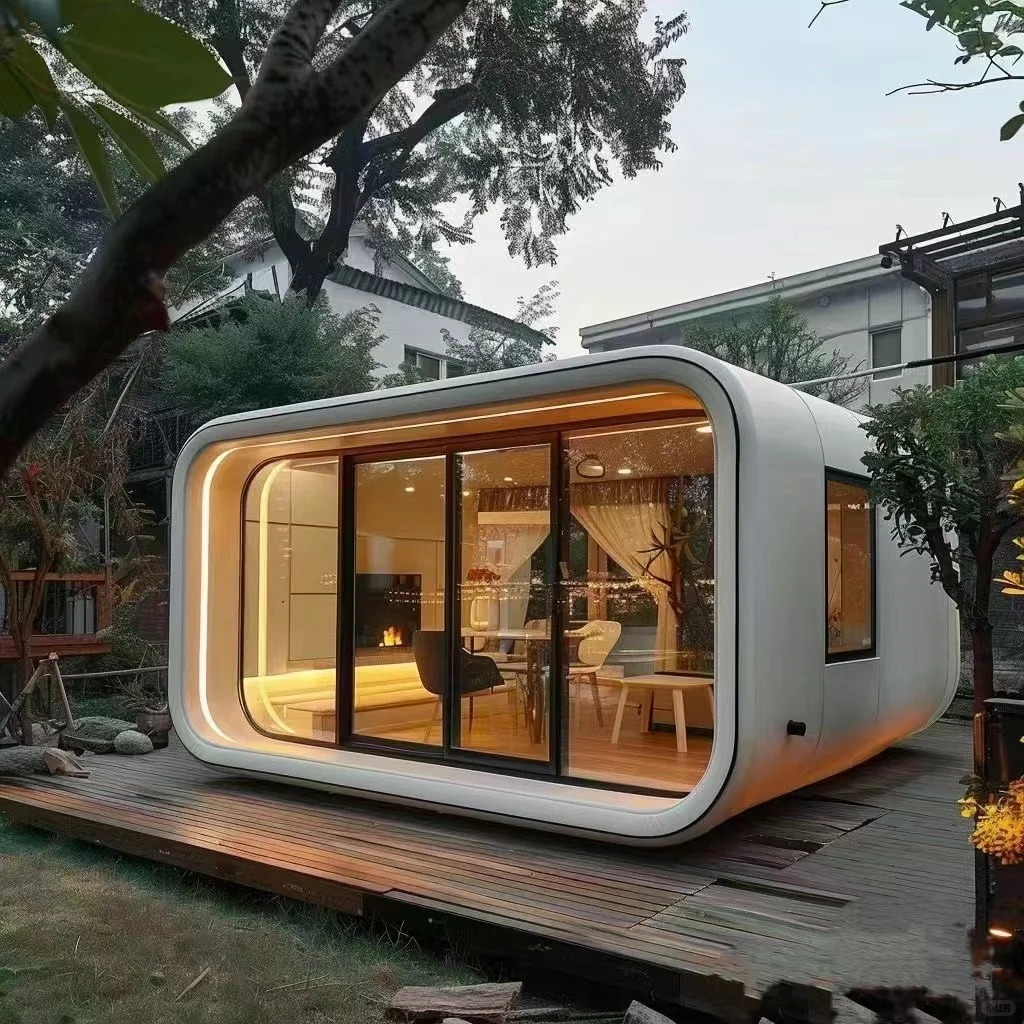
When purchasing a prefabricated cabin, climate suitability is one of the most important factors to consider.
A cabin designed for a mild climate may require different materials and insulation specifications from one intended for a hot summer or cold winter environment.
For international buyers, selecting the correct wall materials, insulation, windows, and ventilation systems is essential.
Apple Cabin offers customizable material and insulation options to meet different project requirements.
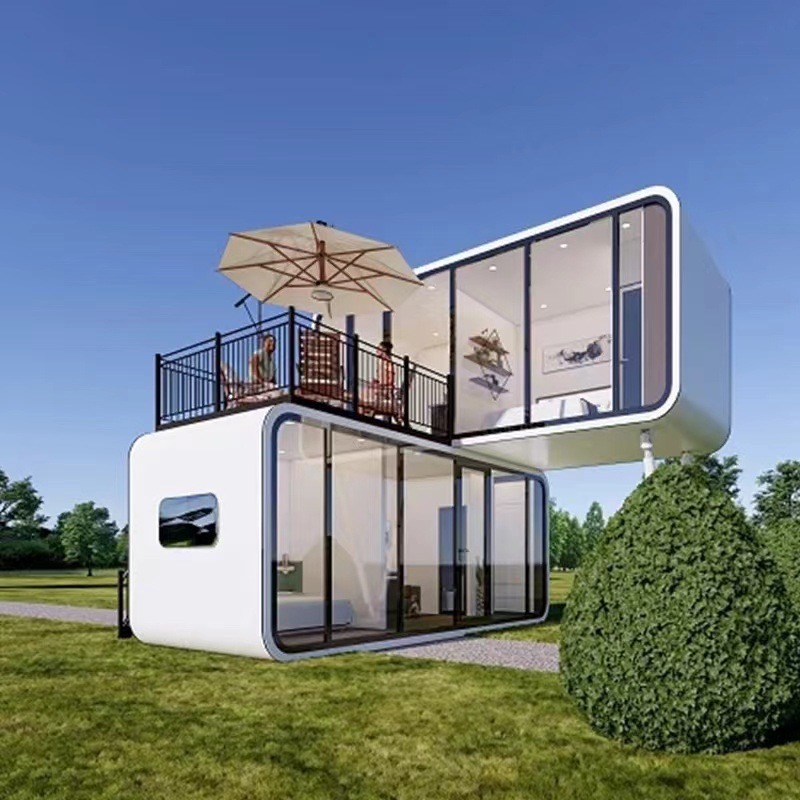
Why Climate Matters When Choosing a Prefabricated Cabin
Climate affects several aspects of cabin performance, including:
- Indoor temperature
- Thermal comfort
- Condensation
- Moisture management
- Energy consumption
- Material durability
Before choosing a cabin configuration, buyers should consider the local temperature range, humidity, rainfall, wind conditions, and seasonal changes.
Insulation Options for Different Requirements
Insulation is an important component of the cabin wall system.
Depending on the selected configuration, our Apple Cabin can use different insulation materials.
Examples include:
Polyurethane Insulation
Polyurethane insulation is commonly used in prefabricated building applications because of its thermal insulation properties.
It can be considered for projects where improved indoor temperature control is required.
EPS Insulation
Expanded polystyrene insulation is another option for prefabricated wall systems.
A 50 mm EPS configuration is available as one of our insulation options.
Additional Insulation Customization
For projects with more demanding climate conditions, insulation thickness and specifications can be discussed according to the intended application.
Considerations for Hot Climates
For projects in hot regions, buyers should consider more than just wall insulation.
Important factors include:
- Roof insulation
- Solar heat exposure
- Window placement
- Ventilation
- Air conditioning
- Exterior color
- Shading systems
Light-colored exterior finishes and suitable shading can help reduce solar heat absorption.
The final design should consider the local climate and the intended occupancy.
Considerations for Cold Climates
For colder environments, thermal insulation should be evaluated together with other building components.
Important considerations include:
- Wall insulation thickness
- Roof insulation
- Floor insulation
- Double-glazed windows
- Door sealing
- Heating equipment
- Condensation control
- Ventilation
The entire building envelope needs to be considered rather than relying on wall insulation alone.
Moisture and Waterproofing
Moisture protection is also important for cabins used in humid or rainy environments.
The selected exterior materials, roof details, window installation, sealing, and drainage arrangements should be evaluated together.
Our exterior wall options include embossed metal panels and other customizable materials.
Customize Your Apple Cabin for Your Local Climate
Different markets have different technical requirements.
A cabin intended for a tourism project in Southern Europe may require a different configuration from one designed for a colder Northern European location.
At Hongrun House, customers can discuss insulation materials, wall specifications, window configurations, and other details before production.
Request a Climate-Specific Cabin Proposal
When contacting us, please provide:
- Destination country
- Intended application
- Expected temperature range
- Required cabin dimensions
- Preferred insulation specifications
- Electrical and heating requirements
Our team can help you evaluate the available Apple Cabin options based on your project requirements.
Please note that final thermal performance and suitability should be confirmed through the relevant technical specifications and local building requirements.