


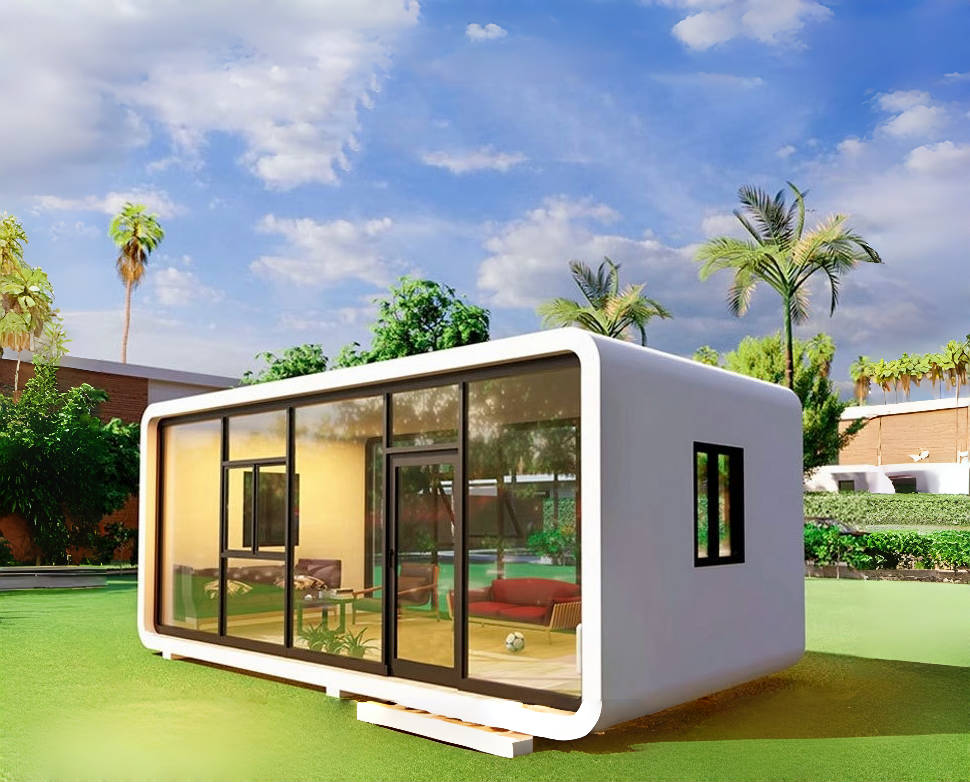
Prefab cabins are changing the way developers approach small resorts, glamping sites, campsites, and nature-based tourism projects.
Instead of constructing every accommodation unit entirely on site, developers can use factory-manufactured Apple Cabins to create a modular accommodation project that can be expanded according to demand.
However, a successful project requires more than simply purchasing several cabins.
Here are some important factors to consider when planning an Apple Cabin resort.
Step 1: Understand Your Target Guests
Start by identifying your target market.
Are you creating accommodation for couples, families, luxury travelers, outdoor enthusiasts, or long-stay guests?
Different guests require different layouts.
A cabin designed for couples might prioritize a large bedroom, bathroom, and panoramic windows.
A family-oriented cabin may require two bedrooms, additional storage, and a kitchen.
Understanding your guests will help determine the right cabin configuration.
Step 2: Evaluate Your Site
Before deciding how many cabins to purchase, evaluate the available land.
Consider:
- Total site area
- Terrain
- Vehicle access
- Views
- Privacy
- Distance between cabins
- Utility access
- Drainage
- Foundation conditions
- Local regulations
The cabin layout should work with the site rather than simply maximizing the number of units.
Step 3: Choose the Right Cabin Size
Different accommodation concepts require different cabin sizes.
Compact units can work well for short-stay accommodation, while larger cabins provide more space for bedrooms, kitchens, bathrooms, and living areas.
Our common Apple Cabin lengths include approximately 5.8 m, 8.5 m, and 11.5 m.
The most suitable model depends on your business concept.
Step 4: Create a Consistent Design
Visual consistency is especially important for resorts.
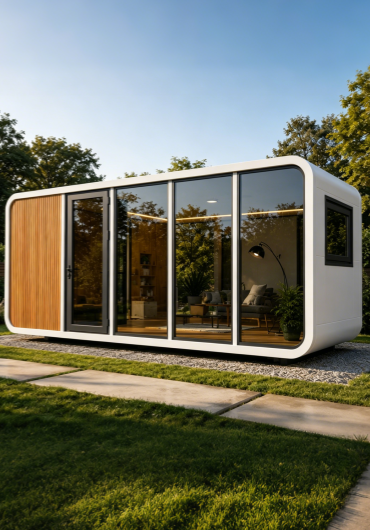
Apple Cabins can be customized in terms of exterior colors, wall materials, doors, windows, interior finishes, and layouts.
Developers can therefore create a consistent appearance across the entire project.
At the same time, different cabin types can be used to create multiple accommodation categories.
For example, a resort could offer compact standard cabins and larger premium cabins.
Step 5: Plan Utilities Early
Electricity, water supply, drainage, and wastewater systems should be considered before the cabins arrive.
Once the cabin configuration is confirmed, water and electrical drawings can be prepared to help customers plan their site connections.
Early planning can make installation and commissioning more efficient.
Step 6: Consider Future Expansion
One advantage of modular accommodation is the possibility of phased development.
Instead of developing a large number of rooms at once, some operators may prefer to start with a smaller number of cabins.
Additional units can then be introduced as demand grows.
This can provide greater flexibility when developing a new tourism concept.
Step 7: Plan Production and Transportation
Apple Cabins are manufactured in the factory before being transported to the destination.
Our typical production period is approximately 25–30 days after the design has been approved.
International transportation should also be planned according to cabin dimensions, quantity, destination port, and site access.
From Concept to Reality
A successful Apple Cabin resort combines good site planning, attractive accommodation, efficient operations, and a clear understanding of the target customer.
Whether you are planning a small glamping site or a larger tourism development, our team can work with your project requirements to develop suitable cabin layouts and configurations.
Send us your project location, site information, required quantity, and accommodation concept to start discussing your Apple Cabin project.