


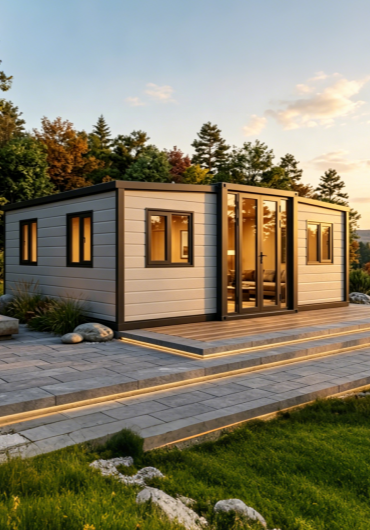
Insulation is an important consideration when purchasing an expandable container house, especially for projects located in hot or cold climates.
The right insulation system can contribute to indoor comfort and energy efficiency, while an unsuitable specification may result in uncomfortable indoor temperatures and increased heating or cooling demand.
So, what should buyers consider when selecting insulation for an expandable container house?
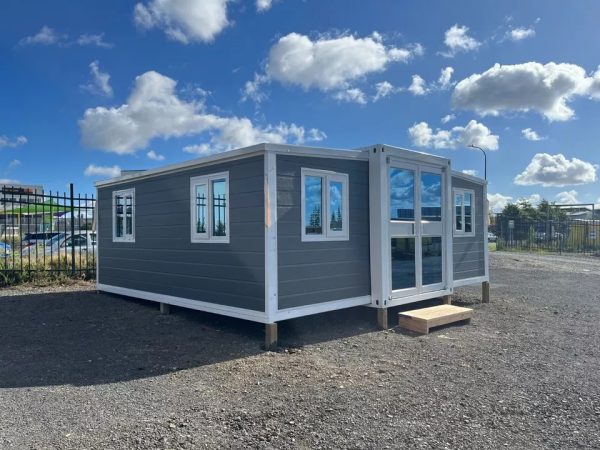
Why Is Insulation Important?
The building envelope separates the indoor environment from outdoor conditions.
A suitable insulation system can help reduce heat transfer through walls and other parts of the structure.
This can be particularly important in regions with:
- Hot summers
- Cold winters
- Large temperature differences
- Strong sunlight
- High heating or cooling demand
Different Projects Need Different Specifications
There is no single insulation configuration suitable for every country.
A house used in a mild climate may have very different requirements from one installed in a region with severe winters or extremely hot summers.
Before production, buyers should provide the project location and any required thermal specifications.
What Should Buyers Compare?
When comparing expandable container house suppliers, do not simply ask whether the house is “insulated.”
Ask for more detailed information.
Important points can include:
- Insulation material
- Insulation thickness
- Wall construction
- Roof construction
- Floor construction
- Door specifications
- Window specifications
- Thermal performance requirements
This allows you to compare products more accurately.
Doors and Windows Matter Too
Wall insulation is only one part of thermal performance.
Doors and windows can also affect indoor comfort.
Depending on the project requirements, customers may consider different glazing and window configurations.
The complete building envelope should be considered rather than focusing on one material.
Hot Climate Projects
For hot regions, reducing unwanted heat transfer can help improve indoor comfort.
Buyers should also consider ventilation, shading, window orientation, air conditioning, and the overall building design.
Cold Climate Projects
Cold regions may require increased attention to insulation, doors, windows, heating systems, and protection of water systems.
Local snow, frost, and structural requirements should also be considered where applicable.
Tell the Manufacturer Your Local Requirements
Before ordering, provide information such as:
Project Location → Summer Temperature → Winter Temperature → Required Thermal Performance → Heating/Cooling System
If local regulations specify insulation or energy-efficiency requirements, provide these requirements to the manufacturer for evaluation.
Need a Customized Insulation Solution?
We can discuss different expandable container house configurations according to project location and customer requirements.
Send us your destination, intended use, house size, quantity, and insulation requirements.
Contact us for product specifications and a customized expandable container house quotation.