



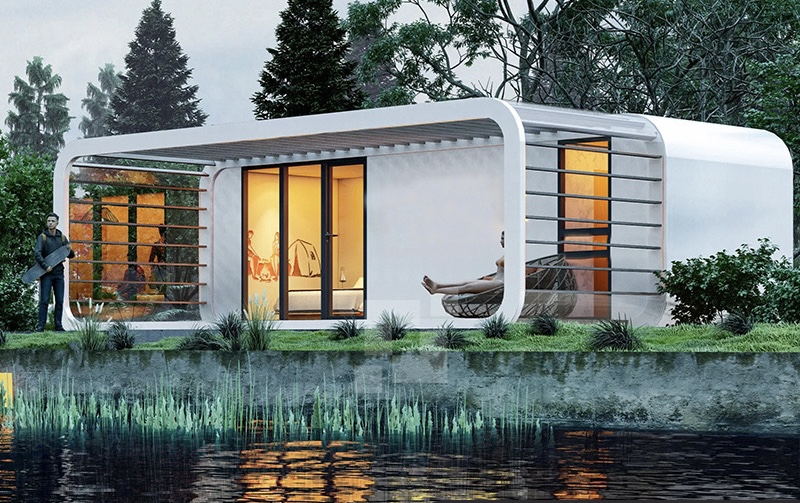
The tourism industry is upgrading the accommodation experience.
Today’s tourists are no longer satisfied with traditional hotels.
They want:
More unique accommodation experiences
More stylish spaces
A closer connection to nature
More photogenic and shareable scenes
Therefore, Apple Cabins are rapidly entering the global tourism and camping market.
How do Apple Cabins enhance the attractiveness of scenic spots?
High-aesthetic architecture, inherently attracting attention
Apple Cabins boast a futuristic design and large glass facades.
Wherever they are placed:
Forests
Lakesides
Deserts
Mountains
Seasons
They are visually appealing.
Tourists are more willing to take photos, share, and spread the word.
Rapid construction, reduced construction impact
Traditional hotels have long construction cycles and significant environmental impact.
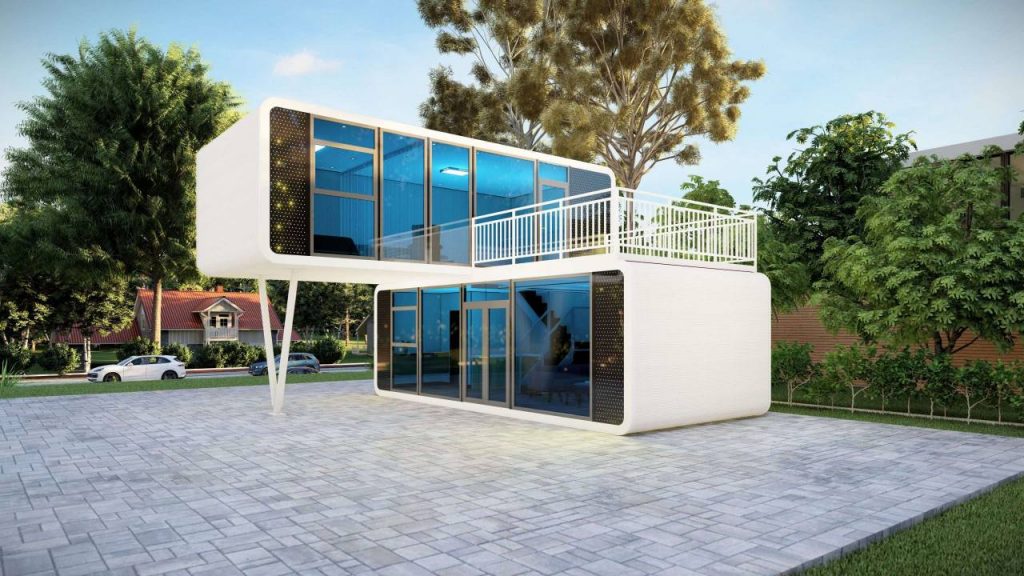
Apple Cabins, on the other hand:
Factory prefabrication
Rapid on-site installation
Minimally impactful on the natural environment
Especially suitable for scenic spot projects.
More flexible operating model
Apple Cabins can be flexibly expanded according to the number of tourists.
Scenic areas can:
Invest in phases
Reduce initial costs
Flexibly adjust layout
Greatly improve operational efficiency.
Popular scenic area applications of Apple Cabin:
High-end camping sites
Creating a luxury wilderness accommodation experience.
Lakeside guesthouses
Increasing visitor stay time.
Mountain hotels
Rapidly constructing rooms with scenic views.
Scenic area reception centers
A more modern feel, enhancing brand image.
The future trend of modular tourism architecture:
The global tourism industry is increasingly focusing on:
Environmental protection
Sustainable development
Personalized experiences
Social media promotion
Apple Cabin perfectly aligns with these trends.
Conclusion
For scenic area investors,
Apple Cabin is not just an accommodation product,
but also a new way to enhance the competitiveness of a scenic area.